

By Vanessa Orr
Florida Health Sciences Center (FHSC), which comprises an array of organizations including Tampa General Hospital (TGH), has recently been expanding its brand from the west coast of Florida into the rest of the state. As one of the nation’s leading not-for-profit academic and research health systems, TGH works in partnership with the University of South Florida and hopes to provide communities in Palm Beach County and the Treasure Coast with access to high-end tertiary and quaternary care that is not currently available in those locations.
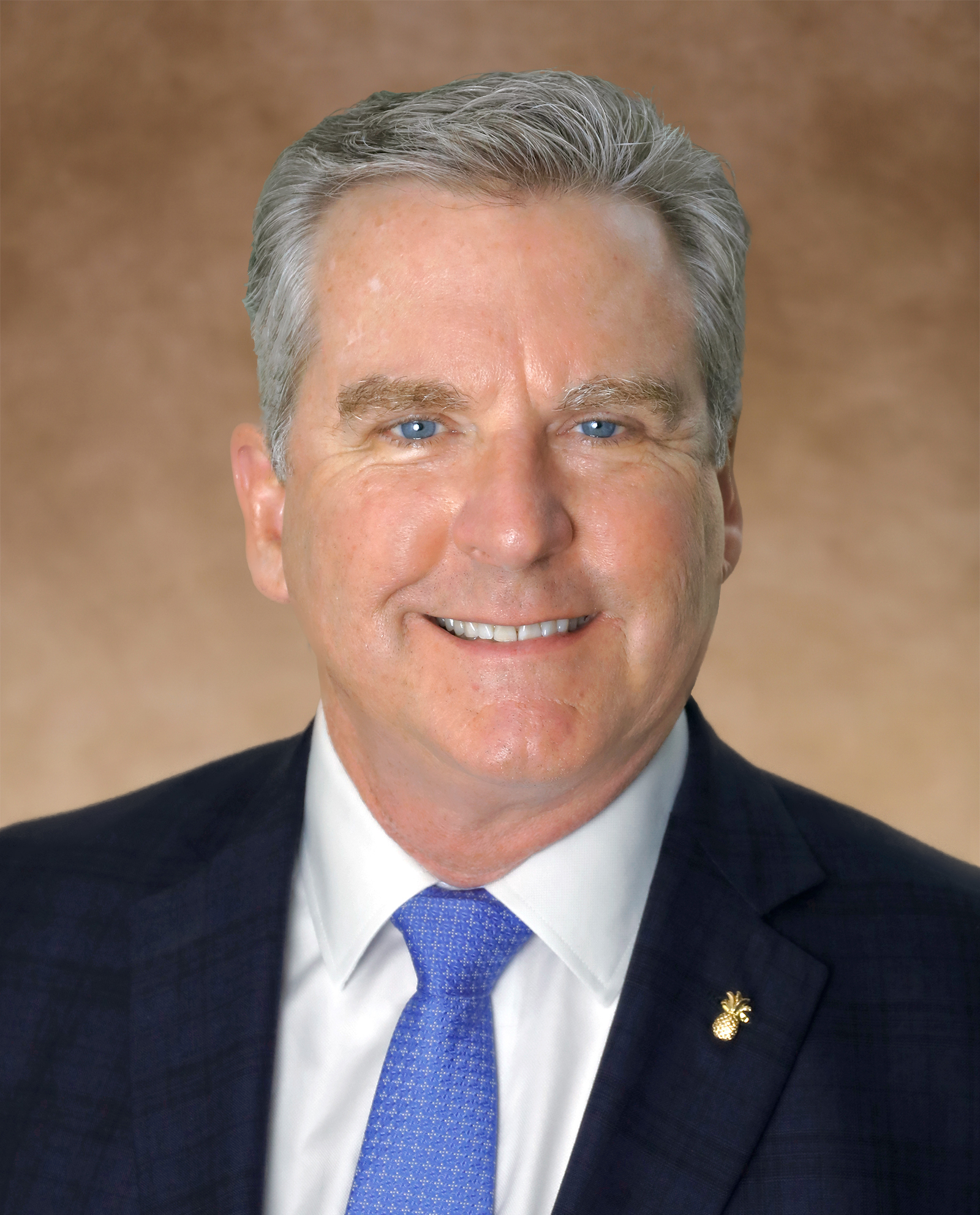
“Our goal is not to compete with local physicians and local community hospitals but to provide access to the higher-end clinical care accessed through an academic health system, such as transplant work, high-end cancer surgery, high-end neurosurgery, high-end cardiology, and high-end esoteric work,” explained President & CEO John Couris.
“While other systems are competing head-on with these physicians, we are not,” he continued. “I spent eight years as CEO of Jupiter Medical Center, so I know how great the medical care is in Palm Beach County. We want to collaborate with those systems; we’re there to provide complementary services for people who need access to academics and research.”
TGH already serves a number of people from around the state; on average, 100 patients a month go from Palm Beach County to Tampa for high-end care or rare and complex work. In order to provide care closer to home, FHSC has expanded to include approximately 450 physician members in Palm Beach County, and eight medical clinics that encompass GI practices in West Palm Beach, Jupiter and North Palm Beach, an oncology practice, surgical subspecialities, concierge medicine through its primary care network, and two imaging centers.
“The idea is to have our physicians and advanced practice providers work at local hospitals to care for people in those communities, and when patients need access to rare and complex medical care, they can access it through our clinics, TGH and our medical school—we partner with the University of South Florida Morsani College of Medicine,” said Couris, adding that this includes access to 700 residents and fellows and over 70 training programs.
The Future of Healthcare
Even as FHSC expands to serve the needs of a larger market, Couris is looking at how the healthcare industry needs to grow in order to better treat patients now and in the future.
“We have to do a better job of coordinating care for healthcare consumers; we do an absolutely lousy job of that as an industry,” he said. “When you are not coordinating care and creating a seamless system of care for the consumer, it adds to the cost of healthcare and to poor quality.”
He added that healthcare’s focus on health and wellness may not be the cure-all that providers believe it to be.
“The belief is that if you keep people healthy and well, they won’t need a hospital and will have better outcomes, and that’s true,” he said. “But that’s not having an impact on the cost and quality of healthcare. We are in the care coordination business; health and wellness is just one component of what we do.
“Think about your own experiences in healthcare; most people describe it as disjointed, fragmented, siloed and antiquated. In any industry, this adds to poor quality, escalating costs and more,” he added. “The future of our system needs to pivot toward the notion of better care coordination.”
Couris also supports leveraging technology to bring more care into people’s homes. For the past year, Tampa General Hospital has been implementing a program called Hospital at Home in which patients are able to receive care at home, while the hospital is reimbursed by the government for an inpatient stay.
For example, when a patient is ready to step down from an ICU unit to another unit, instead of going to another floor, they are transferred home and the hospital provides teams of people to care for them while also remotely monitoring the patient through a telemetry system. Hospital staff provide all of the medicine, food, therapeutics, and diagnostics that patients need on-site.
“We believe that people recover better when at home, around loved ones, in familiar surroundings, being cared for by medical professionals and technology right in their living rooms,” said Couris.
The program has been hugely successful; of the 100 patients TGH has taken care of in the Hospital at Home program since July, the average readmission rate is 2 percent. The same cohort of patients with the same diagnosis that were cared for in the hospital had a 17 percent readmission rate.
“Think about the cost and quality implications of lowering the readmission rate for that cohort of patients by 15 percent,” said Couris. “The future lies in using technology to treat more people in their homes.”
Paying for Care
While naysayers will argue that there’s no money for making such major changes, Couris doesn’t agree.
“It’s a controversial topic, but I believe that there’s plenty of money in the system; it’s just not being used correctly,” he said. “Let’s be real with ourselves as industry leaders. There’s plenty of money in the healthcare system; it’s how we’re structured and how we use that money that really matters.
“You have to change the paradigm, change the way you think, be willing to be disruptive, be willing to fail and fail fast, and learn from those failures and keep moving forward,” he said. “There’s plenty of money, but how we use those resources needs to change.”
Couris added that there are areas such as behavioral health and pediatric care that are under-reimbursed by Medicare and Medicaid, but that the future is not in building more hospitals or spending money in ways previously thought.
“It’s very expensive to build a hospital; it costs approximately $2.5-$3 million a bed right now, which means that if you build a 100-bed hospital, that’s $300 million dollars,” he said. “People ask where we should get the money to make the changes I suggest, but where are they getting the money to build a new hospital? You have to change what you value in the industry.”