By Dr. Nirat Beohar
Heart disease remains the leading cause of death in the United States, but the way cardiologists approach prevention is rapidly evolving. Rather than waiting for symptoms to appear, today’s cardiovascular care focuses on identifying risks earlier and intervening before serious events occur. At Mount Sinai Medical Center, our cardiology team sees every day how earlier detection and more personalized prevention strategies can change the trajectory of a patient’s long-term heart health.
Advances in cardiac imaging have played a major role in this shift. Technologies such as coronary calcium scoring, cardiac CT, and advanced echocardiography allow physicians to detect early signs of disease, even in patients who feel healthy. These tools provide detailed information about plaque buildup, heart structure, and blood flow, enabling more precise risk assessment than traditional screening methods alone.
Prevention is also becoming more personalized. Cardiologists now evaluate a combination of factors, including genetics, metabolic health, family history, and lifestyle, to tailor treatment plans to each patient. This individualized approach helps determine who may benefit from earlier medication, lifestyle interventions, or closer monitoring, rather than applying the same thresholds to all patients.
Another important development is the integration of multidisciplinary care. Cardiologists increasingly work alongside imaging specialists, vascular physicians, primary care providers, and rehabilitation teams to manage cardiovascular health comprehensively. This team-based model improves communication, reduces delays in care, and supports long-term disease management.
These strategies are particularly important in regions like South Florida, where aging populations and high rates of diabetes, hypertension, and obesity increase cardiovascular risk. Earlier detection and coordinated prevention efforts can significantly reduce hospitalizations and improve long-term outcomes. Looking ahead, artificial intelligence and predictive analytics are expected to further enhance cardiovascular risk modeling, helping clinicians identify subtle patterns that may signal future disease. As technology continues to advance, prevention will become even more proactive and precise.
Ultimately, the future of heart health is not only about treating disease, but about preventing it whenever possible. By identifying risk earlier and personalizing care, cardiology is shifting from reactive treatment to proactive protection of long-term cardiovascular health.
For more information about Mount Sinai Medical Center’s cardiovascular program, visit msmc.com/cardiovascular-care.
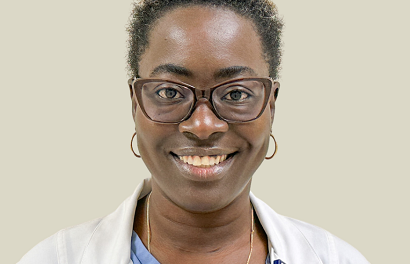
Dr. Nirat Beohar is Director, Cardiac Catheterization Laboratory and Director, Interventional Cardiology Fellowship Program at Mount Sinai Medical Center.