From Promising Hospital Infusions to New Treatments at Home
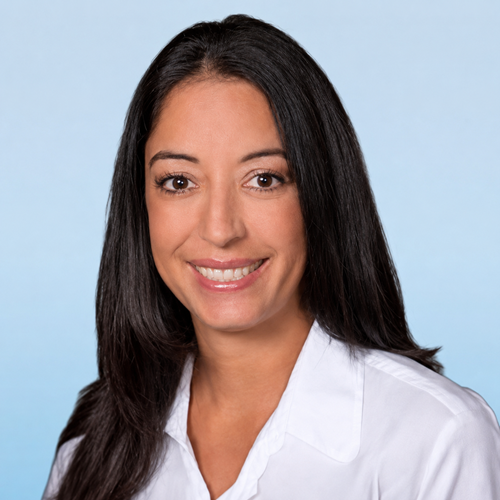
By Hazel Wiley, DO
For decades, an Alzheimer’s diagnosis often meant there was little physicians could do beyond managing symptoms and helping patients and families navigate a progressive disease. That is changing. Today, treatments can target one of the underlying features of Alzheimer’s disease, allowing patients to be independent for longer.
What these medications do
Alzheimer’s disease is associated with two major abnormalities in the brain: amyloid plaques and tau tangles. Amyloid plaques are sticky clumps of protein that build up between brain cells and block the normal signals those cells send to each other. Tau tangles are twisted strands of protein that build up inside brain cells and stop them from working the way they should. Over time, both processes damage brain cells and lead to the memory loss and thinking problems seen in Alzheimer’s disease.
Newer anti-amyloid medications are designed to target and remove amyloid plaques. Once attached, they flag the plaque so the body’s own immune cells can clear them away, and the results can be striking.
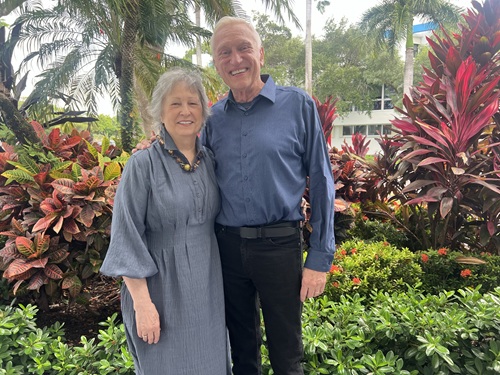
Our team cared for Scott Milinski, a 79-year-old Pompano Beach resident whose father died of Alzheimer’s disease. When Milinski was diagnosed, he feared he would experience the same progression. He came to us shortly after the FDA approved Kisunla, an anti-amyloid therapy, and Milinski became the second person in Florida to receive the drug, undergoing 18 months of IV infusions every four weeks. An amyloid PET scan before treatment had confirmed plaques in his brain; after treatment, we repeated the scan and the plaques that had been present before were no longer visible. For Milinski, the experience offered hope for more time with his family and greater independence.
It’s important to emphasize that these medications are not a cure. They target amyloid plaque, but do not eliminate tau tangles or reverse the underlying disease. Their goal is to slow cognitive and functional decline and help eligible patients maintain independence for longer.
Why home administration matters
Now, thanks to a newly FDA-approved auto-injector option for Leqembi, another anti-amyloid beta therapy, the way some of these treatments are delivered is changing too.
Until recently, patients receiving anti-amyloid treatment had to travel to a healthcare facility for an intravenous infusion every four weeks, a routine that meant repeated hospital visits, time away from other responsibilities and constant coordination for patients and caregivers alike. Eligible patients with mild cognitive impairment or mild dementia due to Alzheimer’s disease can now start with a once-weekly autoinjector at home instead.
People with early-stage Alzheimer’s disease are often still working, driving, socializing and participating actively in their communities. An at-home option can reduce the disruption of frequent hospital visits, ease the burden on caregivers and make treatment easier to fit into daily life.
Alzheimer’s care is rarely provided by the patient alone. Spouses, adult children, family members and professional caregivers often manage medications and watch for changes in cognition or function. At Broward Health’s Memory Disorder & Alzheimer’s Center, patients and caregivers receive step-by-step training and must demonstrate they can perform the injection process correctly before treatment moves to the home.
Why early diagnosis matters
One of our biggest challenges is getting people evaluated early enough. Many avoid getting checked for fear of hearing that Alzheimer’s diagnosis; others assume forgetfulness is a normal part of aging or wait until symptoms worsen. Additionally, not every memory problem is Alzheimer’s. Thyroid problems, uncontrolled diabetes and other conditions can affect cognition, and a proper evaluation can identify the true cause.
Timing matters because these disease-modifying treatments are intended for patients in the early stages, before significant progression has occurred. I encourage anyone who is noticing persistent changes in thinking or memory to speak with a physician rather than wait. Our Memory Disorder & Alzheimer’s Center at Broward Health North is one resource for exactly that kind of evaluation.
In addition to clinical evaluations, the center offers community screenings and a free online memory checklist for anyone concerned about their memory or a loved one’s. The short checklist asks about everyday signs, such as trouble with short-term memory, forgetting appointments or family occasions, changes in mood and other common symptoms. If the results suggest it may be time to seek care, a member of our team will follow up to help guide next steps. Social workers on staff also connect patients and families with education, support groups and other community resources as they navigate a diagnosis.
Looking ahead
For the first time in more than two decades, we have medications designed to address an underlying feature of Alzheimer’s disease, and now, treatment options that bring care closer to where patients live. We may not yet be able to cure Alzheimer’s disease, but we can identify it earlier, treat eligible patients sooner and help preserve independence and quality of life for as long as possible.
That is meaningful progress, and it is only the beginning.
For more information about Broward Health’s comprehensive memory services, visit BrowardHealth.org/Memory.
Dr. Hazel Wiley is medical director of the Memory Disorder Center at Broward Health North.