BY: Brandy Welvaert
oCTOBER 7, 2026 – When back or spine problems persist, figuring out where to go for care can be confusing. Should you see a neurosurgeon or an orthopedic surgeon? A neurologist or rehabilitation specialist? And if you see a spine surgeon, does that mean you’ll need surgery?
Spine conditions often cross medical specialties, which is why getting the right diagnosis is an important first step, say Mayo Clinic spine experts Benjamin Elder, M.D., Ph.D., a neurosurgeon, and Mel Helgeson, M.D., an orthopedic surgeon.
“The optimum benefit is that patients get thorough evaluations from multiple clinicians with different perspectives to figure out the best route forward,” Dr. Elder says.
Coordinated, multidisciplinary evaluation provides clarity, removes guesswork
At Mayo Clinic Spine Centers in Arizona, Florida, Rochester and Northwest Wisconsin, patients with a range of spinal conditions can be evaluated by specialists across neurosurgery, orthopedic surgery, neurology, physical medicine and rehabilitation, pain medicine, and other areas. The goal is to understand what is driving a patient’s symptoms and determine the most appropriate path forward.
“Our model of care removes any bias that might drive spinal treatment,” Dr. Helgeson says. “We can communicate with other professionals on the team and focus on doing what is right for each individual patient.”
That broader perspective can be particularly important because symptoms that seem to stem from the spine may occur alongside neurological or other medical problems. Specialists can review records and imaging, and they can coordinate additional testing or consultations when needed.
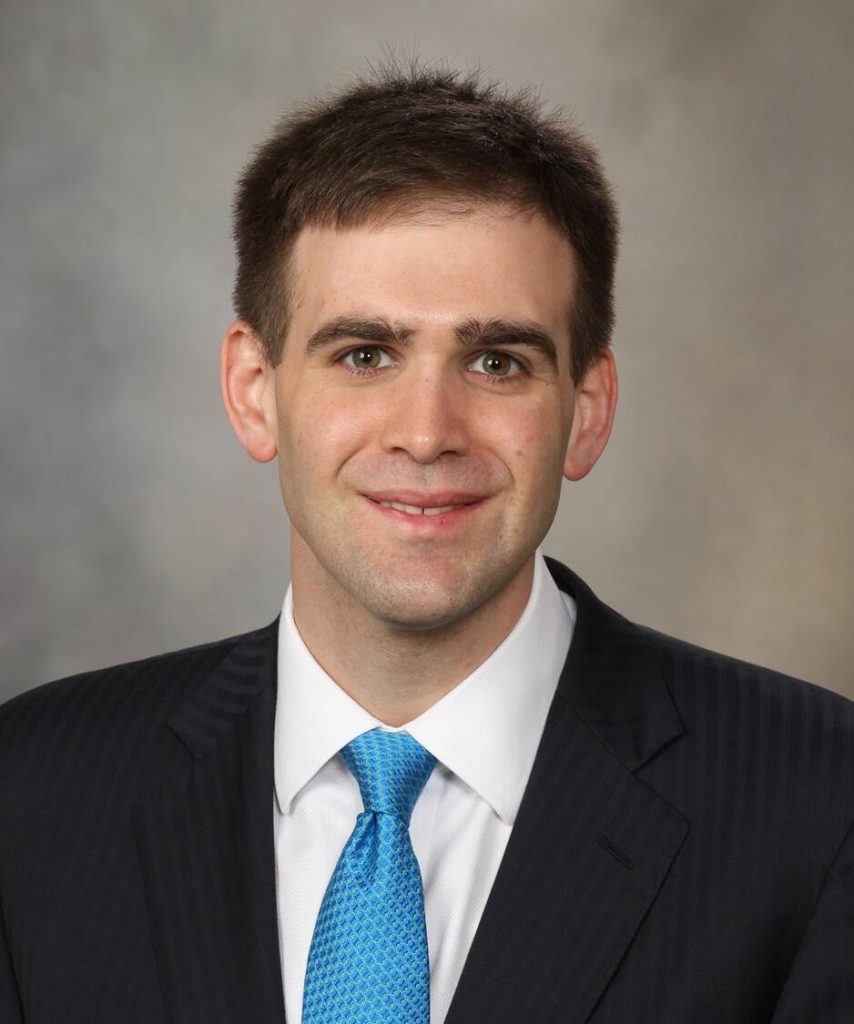
For patients, that means the starting point doesn’t necessarily have to be choosing the right specialty themselves. Instead, a coordinated evaluation can bring together the expertise needed to reach a diagnosis and develop an individualized treatment plan — and surgery isn’t always the answer.
“We generally first determine the least invasive option that will provide a solution to patients and then develop treatment plans in coordination with their wishes,” Dr. Elder says.
Treatment approach is tailored to each patient’s needs
Depending on the diagnosis, treatment may include rehabilitation, pain management and other nonsurgical approaches. When surgery is appropriate, Mayo Clinic’s neurosurgeons and orthopedic surgeons collaborate with other specialists to determine the approach that best fits the patient’s condition and needs.
If a patient does need a surgical procedure, some may also require additional medical treatment before surgery, such as improving their bone health, and Mayo has one of the most advanced programs in preoperative optimization and bone health.
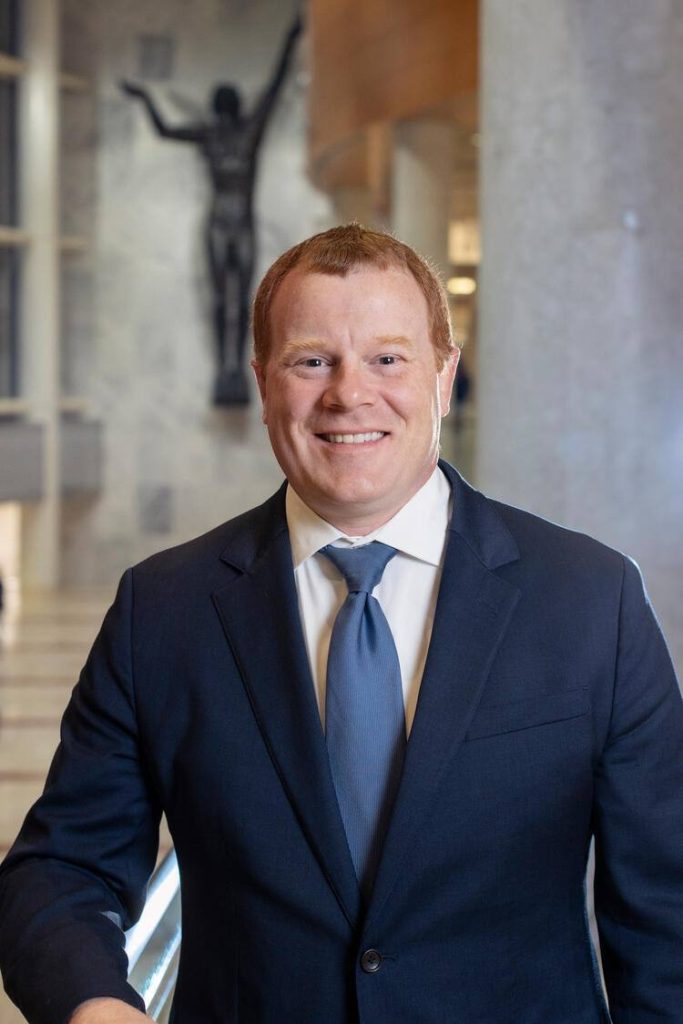
For people seeking care for a back or spine problem, Drs. Elder and Helgeson say an important consideration is whether the care team can look beyond a single procedure or specialty and offer a range of options.
“All that expertise is brought together for comprehensive diagnosis and treatment,” Dr. Helgeson says.
Ultimately, the objective is not simply to treat an image or a diagnosis but to help people regain function and quality of life.
“Spinal conditions are complex, and we always put the needs of the patient first,” Dr. Helgeson says. “The goal is to take people from a place of significant pain and dysfunction and return them to as normal a quality of life as we can.”
Drs. Elder and Helgeson are available for interviews.
About Mayo Clinic
Mayo Clinic is a nonprofit organization committed to innovation in clinical practice, education and research, and providing compassion, expertise and answers to everyone who needs healing. Visit the Mayo Clinic News Network for additional Mayo Clinic news.