By Mary Mayhew

A revised hurricane forecast released in July predicts a very active 2021 Atlantic hurricane season. Researchers predict 20 named storms, including nine hurricanes and four major hurricanes. One of these, Hurricane Elsa, already made its presence known on Florida’s coast. This year is forecast to be the sixth in a row of an above-average number of storms.

For Florida’s hospitals, planning for these storms is paramount, and it occurs year-round, not just during the five months of hurricane season. Hospitals’ plans are intended to avoid patient evacuations as much as is safely possible as well as hospital closure so that the community has a reliable source for care throughout the storm and its aftermath.

Fortunately, hurricanes, unlike other types of disasters, are “expected” or “known” events. They are forecast and, therefore, can be planned for. Every hospital has an emergency plan that governs roles and responsibilities before, during, and after a storm. These plans provide detailed guidance on staffing, security, power redundancies, supplies and medications, equipment, facility maintenance, evacuation and patient transfer contingencies, and coordination with local emergency response, community groups, and possible transfer facilities further inland. Needed supplies range from the routine, like saline, bandages, and medical gases, to the unusual, like antivenom to deal with bites from snakes whose habitats are disrupted by the storm. Importantly, too, emergency plans are practiced and drilled so that when disaster strikes, response can happen quickly and fluidly.

These emergency response plans are designed to be flexible and adaptive to each community’s needs and each locality’s circumstances and are also honed year after year based on real-world experiences managing storms and their impacts.

Emergency response plans are one variable in hospitals’ ability to keep their doors open to continue safely caring for patients during a hurricane. Another variable is physical infrastructure. To avoid closure, hospitals’ buildings have to be able to withstand hurricane-force winds and flooding from heavy rains and coastal surges. Whether constructing a new hospital or retrofitting an older one, investments in infrastructure hardening, flood mitigation, and other building renovations run in the millions, if not billions of dollars.

Despite the heavy costs, hospitals of all sizes from coast to coast are making these infrastructure investments to protect their facilities and, most importantly, their ability to continue serving their communities without interruption.

In South Florida, for example, an assessment in 2000 of a hospital’s resilience to potential storm damage from a hurricane of Category 2 or higher revealed vulnerabilities that could have resulted in the hospital being forced to close or evacuate in the event of a major hurricane. The hospital retrofitted its facilities to enable it to withstand a Category 4 hurricane and winds of up to 200 miles per hour. With the renovation, today, the hospital is wrapped in a hurricane-resistant shell – pre-molded panels of glass fiber-reinforced concrete – and has impact-resistant windows and a reinforced roof.

In Marathon, in the Florida Keys, after Hurricane Irma, a new hospital was built to be able to withstand a Category 5 hurricane and have emergency power lasting up to four days. Beginning in 2005, another hospital upgraded its facility over four years to strengthen the roof, reduce vulnerability to wind and flooding, and protect medical equipment and generators in addition to installing hurricane protective window screening.

From securing emergency generators and security personnel and stockpiling medications and supplies to training staff, running preparedness drills, and transforming the physical infrastructure, the costs for hospitals of hurricane preparedness are numerous and significant. But the costs of failing to prepare are far greater and would leave communities without a trusted source of care, without a port in the storm, when it is needed the most.

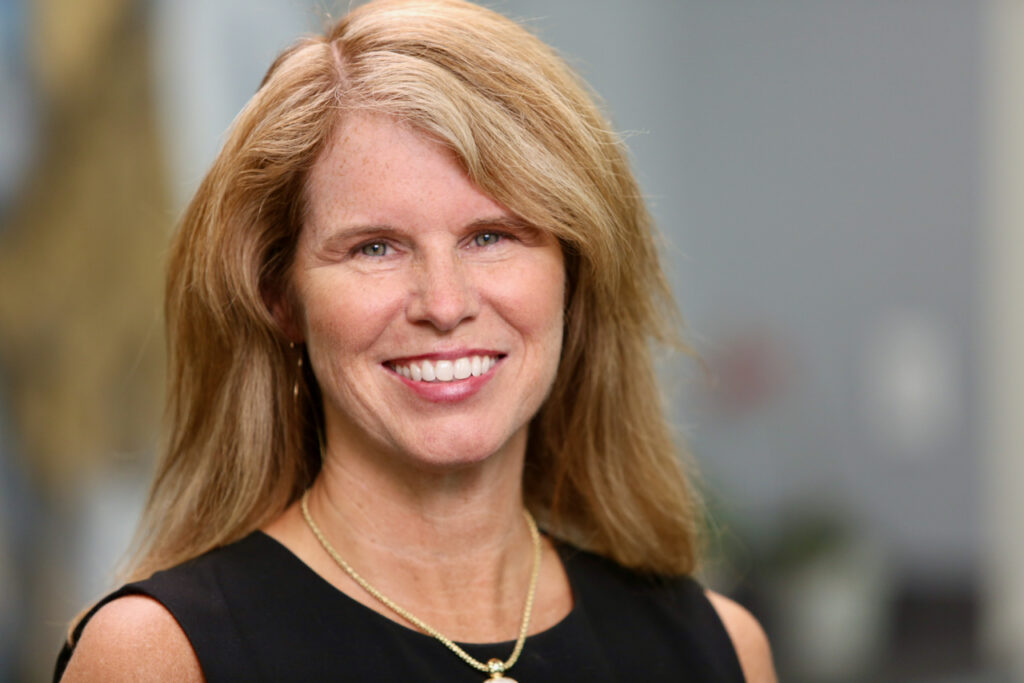
Mary Mayhew is President and CEO of the Florida Hospital Association.


Blue Cross and Blue Shield Association [BCBSA] selects Palm Beach Gardens Medical Center as a Blue Distinction Center+ for Knee and Hip Replacement, part of the Blue Distinction Specialty Care program. Blue Distinction Centers are nationally designated healthcare facilities that show a commitment to delivering high-quality patient safety and better health outcomes, based on objective measures that were developed with input from the medical community and leading accreditation and quality organizations.


Research to Advance Real World Knowledge for Driving Safety

By Barbara R. Fallon

Researchers at Florida Atlantic University (FAU) are currently recruiting 750 drivers over 65 years old to enroll in a 3-year confidential study of memory and driving behaviors. Participants will have an initial baseline cognitive function screening and driving behavior profile established and then normal driving patterns will be tracked by inconspicuous in-vehicle sensors and evaluated every three months for three years (13 data points) to correlate thinking, memory, and judgement with driving behavior.

Laurie Martinez,
PhD, MSN, MBA, RN

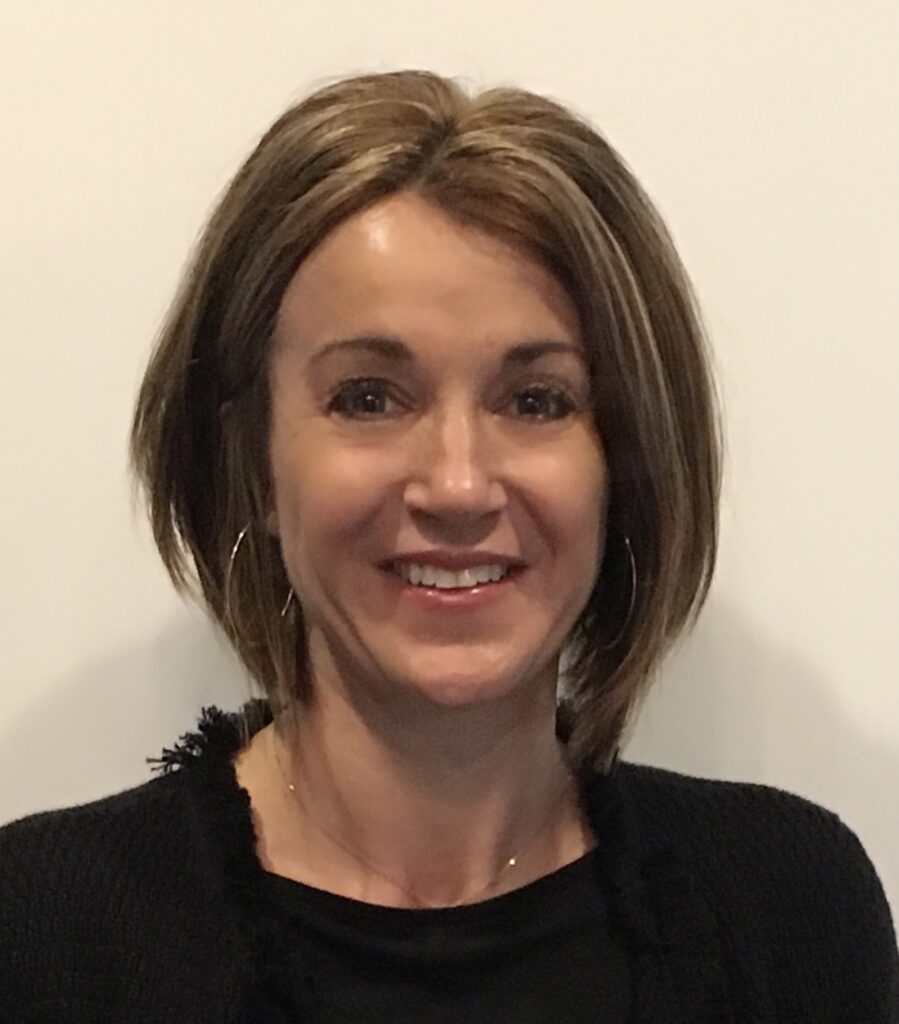
According to Project Coordinator, Laurie Martinez, PhD, MSN, MBA, RN, a certificate of confidentiality certifies that only the research team has access to the results and that personal data cannot be released to law enforcement, insurance companies, department of motor vehicles or family members unless authorized by the individual participants.

There is no cost to senior participants who must have a valid driver’s license, lease or own a car, and speak English or Spanish. It will require regular meetings with researchers (over three years) to collect the data and participant input. Seniors will receive up to $350 in gift cards from Publix, Walmart and Amazon for their time and opinion of in-vehicle sensor satisfaction. They can opt to receive annual feedback on their cognitive screening or leave the study at any time.

This cutting-edge research, funded by a $5.3 million National Institute on Aging of the National Institutes of Health grant, will support experts from FAU’s Christine E. Lynn College of Nursing, collaborating with the College of Engineering and Computer Science and the Charles E. Schmidt College of Science to merge healthcare and technology in a study of senior memory and driving behaviors. The study is designed to formulate a low cost early warning system of mild cognitive changes and their impact on driving by monitoring attention, orientation and judgement during normal driving.

The In-vehicle Sensors to Detect Cognitive Change in Older Drivers project is a 5-year longitudinal study that will sync data collected through inconspicuous cameras and GPS modems that sense and record motion and orientation detection, vision, driver eye movements, and driving scene awareness. Researchers will track and record driving behaviors such as travel patterns to account for miles driven during the day and night as well as number of trips; abnormal driving such as getting lost, losing focus, and near-collision events; reaction time when stopping at a stop sign or traffic light; and braking patterns; as well as ignoring traffic signals. Data will take into account weather and other factors that may influence driving patterns. Recorded changes in driver behavior will be compared with results from a panel of cognitive tests including global cognition, executive function, memory, visuospatial, visual attention, and language selected for both sensitivity to early subtle changes in cognition in order to set a baseline for driver risk according to age, sex and model of car.

“This groundbreaking study is designed to detect subtle changes that may indicate changes in cognition” Dr. Martinez said.

Lead investigator, Ruth Tappen, RN, EdD, FAAN, and co-lead David Newman, PhD, are heading the research effort with an interdisciplinary team of experts collaborating from the fields of engineering, computer science, neurology, psychology, cognitive testing, on-road driver testing, memory and wellness.

Dr. Tappen is an expert gerontologist with extensive experience in dementia research and a professor and Eminent Scholar in FAU’s Christine E. Lynn College of Nursing; while Dr. Newman is an associate professor and a statistician in FAU’s Christine E. Lynn College of Nursing.

Research indicates that 33% of drivers have some level of cognitive decline and 50% of those continue to drive after a diagnosis of dementia.

Concern for traffic safety and opportunity to detect early cognitive change in the health of older drivers, who represent a significant population, is the genesis of this groundbreaking research, according to Dr. Tappen. Algorithms will be developed by the team to translate and sync driving behavior with indices of cognitive change that will contribute to real world applications. The end goal is to develop an early warning alert for older drivers with evidence-based data collection.

Dr. Newman noted that current screening and evaluation services are only able to test a small number of individuals with cognitive concerns, missing many who need to know if they require treatment. Now, researchers also will evaluate the end users’ response to the novel driving sensors installed and propose improvements to increase acceptability by older drivers.

“Fully powered, long-term tests of an array of sensors to determine the ability to detect cognitive change, examine what changes are detected and which sensor data is most sensitive to these changes has the potential to advance current science and improve quality of public health and safety,” he said.

Dean of FAU’s College of Nursing Safiya George, PhD, agrees, “This research has the potential to shift the paradigm in cognitive evaluation of older adults to facilitate earlier detection of cognitive changes that have real-world application and impact public health and driving safety.”

Regular sensor data downloads, cognitive screenings and participant input will be conducted and analyzed at FAU Boca Raton and Davie campuses over a 3-year period. The study is open to the community residents and can accommodate regular winter visitor schedules.

To join or ask questions, call Dr. Laurie Martinez at (845) 705-8982, email drivingproject@health.fau.edu or visit https://nursing.fau.edu/research/grants/.


Advocates to Impact Quality via Leadership

By Barbara R. Fallon

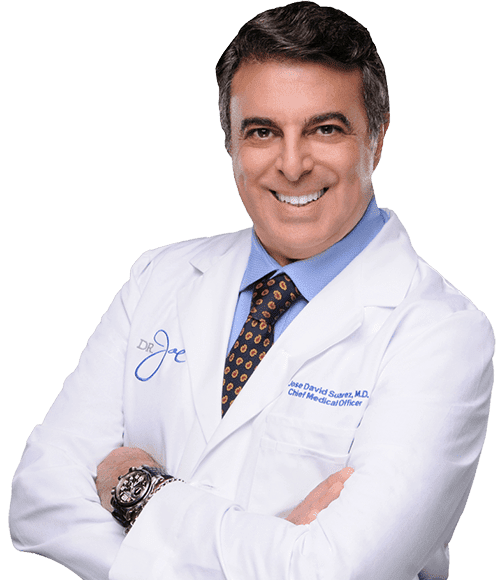
Some people respond to the loosening of COVID-19 restrictions by cautiously dipping a toe to test the waters and others dive in headfirst to make up for lost time. Judging from the enthusiastic and comprehensive list of goals newly installed Dade County Medical Association President Jose David Suarez, M.D., outlined at inaugural ceremonies, he falls into the latter category!

Jose David Suarez, M.

In addition to supporting progress of past years, Dr. Suarez plans to use the DCMA platform to further elevate the status of the medical profession, increase morale of colleagues, encourage physician leadership and knowledgeable advocacy with legislators, enhance membership recruitment, support outreach programs/ funding to guide and support police dealing with community mental health issues, and increase formal and informal communications to provide a clear voice for physicians in communities they serve.

According to Dr. Suarez, often the medical professional is frustrated with a perceived antagonistic environment of regulatory agencies, government interference, insurance barriers, politics and health disparities resulting in a suicide rate 2 to 3 times the general population.

“Through educational forums and opportunities to participate, I hope to involve our membership – from medical students and residents to faculty and practicing physicians – in an advocacy role in shaping our futures. I also hope we can infuse the philosophy that it is OK to seek help. Most physicians are naturally drawn to helping others and we need to recognize when to ask for help for ourselves when stress impacts either our professional or personal lives,” he said, “as evidenced in this pandemic year, or during severe weather events or unexpected disasters which impact our health system.”

 Dr. Suarez also plans to sponsor more organized social interactions – events which can create and reinforce a culture of inclusivity and support for each other to create a healthy workplace for doctors and patients.

“Many doctors work in their ‘silo specialties’ and become isolated. By sharing information in professional and family-friendly activities we gain a more comprehensive view of our role in the health care environment and how we can positively impact each other and our future,” he explained.

Additionally, he noted that the content enriched quarterly DCMA peer reviewed publication, Miami Medical Journal is a valuable communications arm to share research and case studies as well as highlight the individual achievements of members and the organizational impact DCMA provides the Miami Dade community. For example, during the pandemic, DCMA was involved in procuring quantities of PPE not only for physicians but also for their families and community members; promoting information regarding vaccine safety and availability; and working with local government to provide vaccinations. “The DCMA was the only area medical association who recognized that safety of our doctors’ families was also at risk and provided masks as a preventative measure,” he said.

During the pandemic turbulence, DCMA officials were invited as trusted, knowledgeable experts to engage in conversations with community organizations and businesses, journalists, and government leaders to spread compelling information on fighting the pandemic answering questions and ensuring the public that vaccinations were a route to coming through the COVID-19 crisis.

Jose David Suarez, M.D., is a Diplomate for the American Board of Family Medicine, currently serving as Chief Medical Officer and Designated Institutional Official of the Family Medicine Residency Program at Keralty Hospital Miami, where he was integrally involved in creation of a mini-MBA program with Atlantis University. Dr. Suarez has focused on medical education over the past 20 years, beginning with Beth Israel Medical Center. He previously served as faculty at Nova School of Medicine, Florida International University, and the University of Miami. He is a Delegate for the Florida Medical Association. Dr. Suarez graduated from Universidad Central del Este and trained at Christiana Care in Delaware. In Spring 2021 he was awarded the DCMA Quality Designation recognizing academic achievement, leadership, and community service to help patients gain understanding of medical quality in the Miami Dade area.

He worked at the University of Miami Health System at the first academic family medicine department in the U.S. with Dr. Lynn Carmichael (often referred to as the Father of Family Medicine). He enjoyed the opportunity of connecting with patients at many levels while caring for them. He credits his foundation in Family Practice Medicine for instilling enthusiastic and empathetic sensibilities embracing the value of social media, community outreach and his broad scope of goals to enhance the health care experience for physicians and their patients.

During the past 25 years, Suarez gained work experience in the Northeast, Southern California and Florida and believes the Dade County Medical Association has been a leader in inclusivity.

“I am proud that we have recognized the input of male and female medical professionals with Haitian-American, Cuban-American, African American and European ancestry and ethnicity in our ranks. The expertise and diversity among our members better prepare us to practice in this mecca of academic medicine which cares for a melting pot of diverse cultures, races, religions and to deal with a range of socio-economic levels which contribute to health disparities, accessibility, and affordability,” he explained.

Dr Suarez pointed out that all DCMA officers are volunteering their time; however, physicians can help educate and influence opinions within hospital communities to enhance understanding of issues and funding for solutions. The medical community cannot exist in a vacuum and benefits from collaboration with hospital entities to encourage support of venues, policies and resources to promote quality health care delivery, professional development and advancement.

“Excellent medical care must be orchestrated. It won’t occur by chance and physicians are the best advocates for guiding healthcare reform. I am committed to support DCMA in innovative ways to help deliver quality health care and the healing ambiance in a physician/patient relationship,” he concluded.

For more information, visit www.miamimed.com, call (305) 324-8717 or email dcma@miamimed.com.


By Vanessa Orr

To stay healthy, it’s important to get an annual physical. In the business world, it’s just as important to do an annual review of liability coverage to make sure that your company or practice is managing risk should an unexpected or potentially costly event occur.

“Businesses change over time—for example, a physician practice might hire new doctors or invest in new equipment—so it’s vital to make sure that the company has the right types of coverage in the correct amounts,” explained Bill Gompers, CFE, healthcare providers’ insurance specialist at Danna-Gracey. “While you can’t completely avoid risk, the question is how much you want to take on yourself and how much you want to share with the insurance company.

“A lot of practices and companies think that they have the right coverage, but find out that they don’t have what they need when they need it,” he added. “It’s like when a hurricane strikes; a homeowner may think that their screen enclosure is covered, but find out after it’s damaged that they didn’t have the proper rider on their policy.”

He adds that when purchasing liability policies, buyers can be misled or not understand what the policies cover as carriers’ policy forms are not uniform and have exclusions that allow them to offer lower rates.

Healthcare providers can choose from a number of liability coverages, including professional liability insurance (medical malpractice); workers’ compensation insurance; regulatory liability insurance; employment practices liability insurance (EPLI); commercial general liability insurance; cyber liability insurance and employee benefits liability insurance.

“One of the most important liability coverages—that many practices don’t know they need—is employment practices liability insurance,” said Gompers. “You are at risk every time you discipline someone, fire them, or accept their resignation; companies can also be sued for sexual harassment and discrimination.”

EPLI protects businesses against the high costs of lawsuits due to discrimination, harassment, wrongful termination and other potential charges stemming from employment practices, and can cover the costs of legal defense, settlements and other court fees.

With cybercrime on the rise, it is also important to carry cyber liability insurance. According to Keeper Security, nearly two-thirds of healthcare organizations globally have experienced cyberattacks in their lifetimes, while 53 percent have been attacked within the last 12 months

“It can cost a minimum of $20,000 to $30,000 to clean up a cyberattack,” said Gompers. “If you suffer a big hit and have a lot of information stolen, it can cost hundreds of thousands of dollars.”

Even general liability insurance policies need to be reviewed as it is important to know the responsible party in case of an accident. “If someone slips and falls in the waiting area or falls off an exam table, who is responsible?” asked Gompers. “While a lot of doctors think that their landlords’ policies cover this, they may not, and it can get very expensive if someone suffers a serious injury.”

Gompers also advises clients to look into regulatory liability insurance and employment practices liability insurance as companies can lose money as a result of everything from claims based on allegations of billing errors, to shadow-auditing expenses, to being sued for not enrolling an employee in a benefits program.

“If the government comes in to audit you, you need to have someone representing you,” he said of the insurance that covers legal expenses as well as provides reimbursements for regulatory fines and penalties. “Any of these issues can slow or stop the flow of money into a practice.”

Working with agencies that are healthcare providers’ insurance specialists can not only reduce risk, but ensure peace of mind and provide you and your organization with value-added services.

“Don’t just work with an order-taker—work with professionals who understand your business and can give you prudent advice,” said Gompers. “Things change, and it’s important to know that your assets are protected.

“I have people say, ‘I haven’t had this coverage in 10 years and I’m saving money on premiums because there haven’t been any claims,’” he added. “That’s like saying that you have life insurance and you don’t need it because you haven’t collected on it. You need it when you need it.”

To schedule your company’s annual review, contact Bill Gompers at bill@dannagracey.com, (888) 777-7173 or visit www.dannagracey.com.