
BY : Susan Murphy

Researchers have validated a genetic scoring tool that may help physicians diagnose idiopathic pulmonary fibrosis and identify which patients are at greatest risk for severe outcomes, including death or the need for a lung transplant. The findings come from a new international study of more than 570,000 people co-led by Mayo Clinic and Brigham and Women’s Hospital.

Published in the American Journal of Respiratory and Critical Care Medicine, the study is one of the largest real-world evaluations of a polygenic risk score for idiopathic pulmonary fibrosis. The findings bring this genomic approach one step closer to clinical care.

Polygenic risk scores add a new layer of biological insight into the prediction of pulmonary fibrosis and mortality outcomes, bringing us closer to a future where diagnosis, prognosis and treatment are informed by each patient’s unique molecular signatures.”

– Dr. Victor Ortega
Researchers analyzed genomic and electronic health record data from four major biobanks in the U.S. and U.K., including the Mayo Clinic Biobank and Mayo Clinic Tapestry. They calculated a polygenic risk score for each participant by combining the effects of more than 60,000 DNA variants associated with idiopathic pulmonary fibrosis. While each genetic variant contributes only a small amount of risk, together they reveal patterns of inherited susceptibility that would otherwise be difficult to detect.

The researchers then tested whether the score could identify patients with the disease and predict clinical outcomes.

People with high polygenic risk scores were nearly three times more likely to have the disease than those with lower scores. The genetic score became even more predictive as researchers applied increasingly specific definitions of the disease, suggesting the score may one day help distinguish idiopathic pulmonary fibrosis from other forms of interstitial lung disease.

Among patients with the disease, those with high genetic risk were 23% more likely to die or require a lung transplant, indicating the score may also help identify patients at greatest risk of poor outcomes.

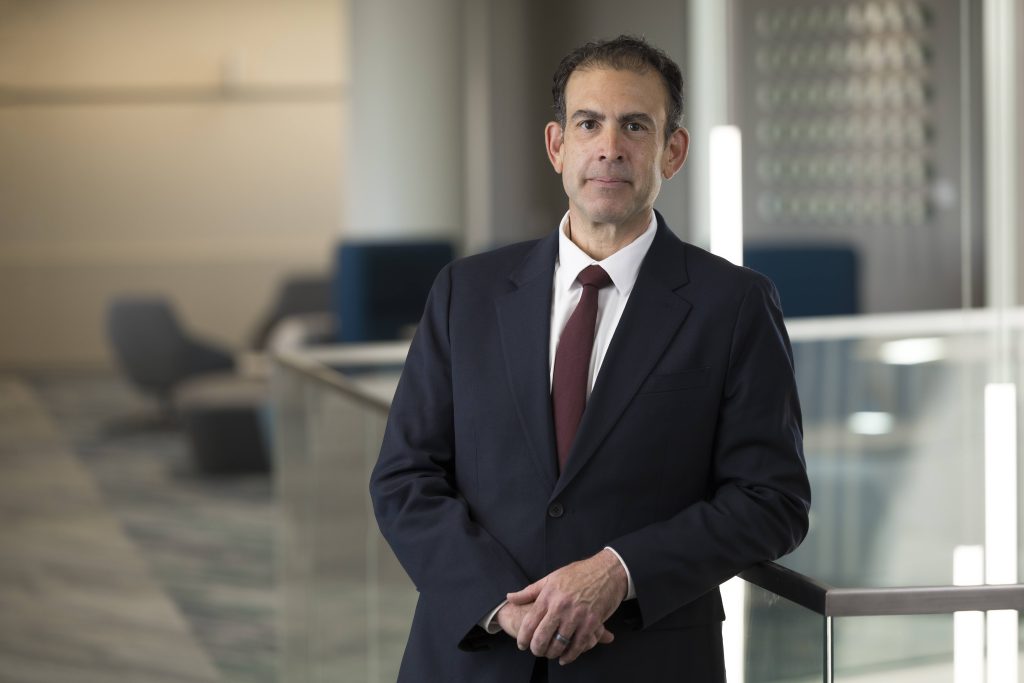
“Every patient has a unique genetic blueprint that we can use to estimate risk for the development of disease,” says Victor Ortega, M.D., Ph.D., a pulmonologist, associate director of Mayo Clinic’s Center for Individualized Medicine in Arizona, and a co-senior author of the study. “Polygenic risk scores add a new layer of biological insight into the prediction of pulmonary fibrosis and mortality outcomes, bringing us closer to a future where diagnosis, prognosis and treatment are informed by each patient’s unique molecular signatures.”

Showing that this approach works across more than half a million people receiving routine clinical care is an important step toward understanding how it can ultimately benefit patients.”

– Dr. Christopher Grilli
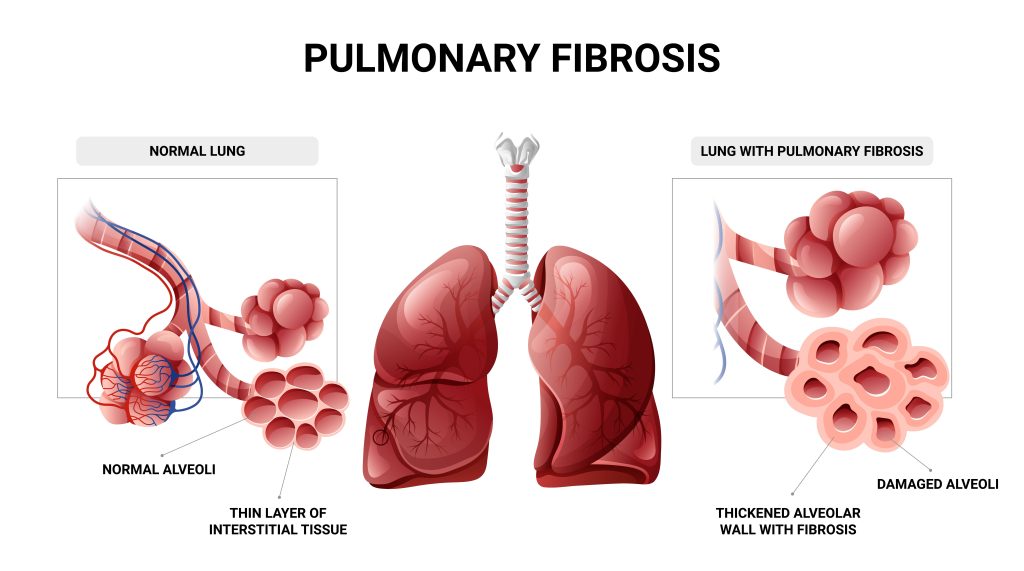
Idiopathic pulmonary fibrosis causes irreversible scarring of the lungs that progressively limits a person’s ability to breathe. More than 100,000 Americans are living with the disease, and an estimated 30,000 to 40,000 new cases are diagnosed each year, according to the National Institutes of Health.

Because its symptoms often resemble those of other interstitial lung diseases, diagnosis can be delayed until significant, irreversible lung damage has already occurred. Confirming the diagnosis sometimes requires an invasive lung biopsy to collect lung tissue. Researchers hope a noninvasive genetic test using DNA from a blood or saliva sample may help reduce the need for those procedures in selected patients.

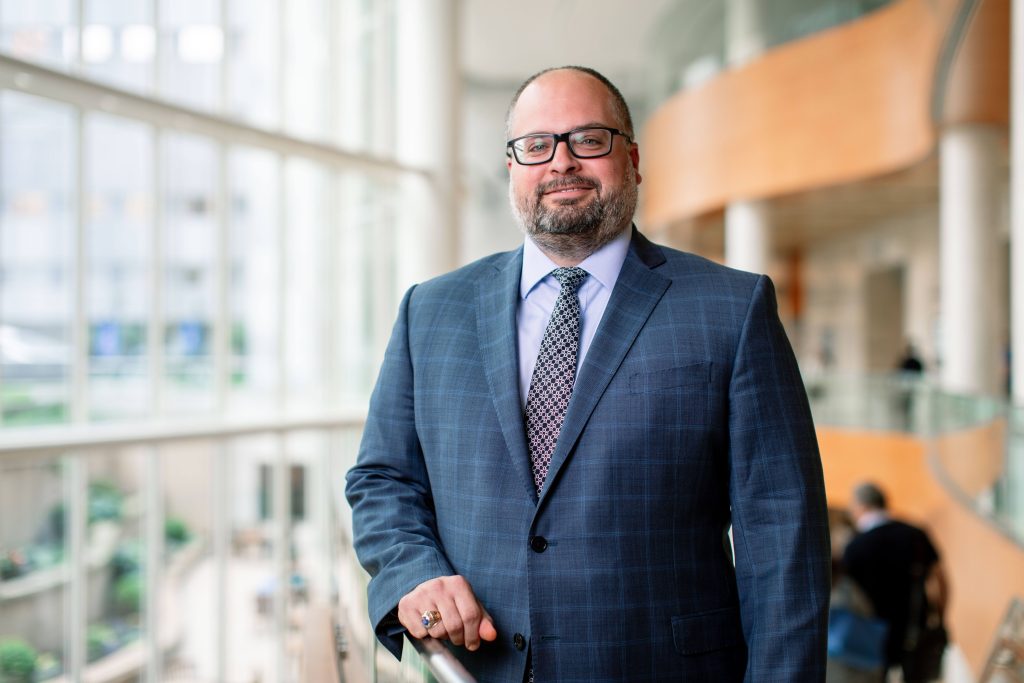
“Most polygenic risk scores are developed in carefully selected research populations,” says Christopher Grilli, Pharm.D., a researcher at Mayo Clinic’s Center for Individualized Medicine and co-first author of the study. “Showing that this approach also works across more than half a million people receiving routine clinical care is an important step toward understanding how it can ultimately benefit patients.”
 

If further validated, researchers envision genomic risk scores complementing imaging and other diagnostic tools to help physicians diagnose the disease with greater confidence.

This research aligns with Mayo Clinic’s Precure Research initiative, which seeks to uncover the earliest biological changes associated with disease and translate those discoveries into clinical tools that improve diagnosis, personalize care and ultimately change the course of disease. As part of that effort, the Precure-Lung study, led by Dr. Ortega, is expanding Mayo Clinic’s research into interstitial lung diseases, including idiopathic pulmonary fibrosis.

For a complete list of authors, disclosures and funding, review the study.

About Mayo Clinic
Mayo Clinic is a nonprofit organization committed to innovation in clinical practice, education and research, and providing compassion, expertise and answers to everyone who needs healing. Visit the Mayo Clinic News Network for additional Mayo Clinic news.


July 6, 2026 – Becker’s Hospital Review named Shawn Myers, vice president of pharmacy and ancillary services, to its list of Hospital and Health System Chief Pharmacy Officers to Know. The list highlights chief pharmacy officers who manage large-scale supply chains and formularies, ensure patient safety and advance pharmacy practice through technology, cost-conscious strategy and policy development.

In his role, Myers continues to lead efforts on propelling pharmacy practices forward. He is also continuing to enhance systems and processes related to admission medication reconciliation and other performance improvement initiatives, including improvements in medication error reporting and collaborating with key disciplines on other patient safety improvement opportunities.

Myers assumed his current role in 2022 after serving as Encompass Health’s national director of pharmacy operations since 2016. He is a member of the American Society of Health-System Pharmacists and the pharmacy subcommittee for the Federation of American Hospitals. He earned a bachelor’s degree in pharmacy and a master’s degree in business administration from the University of Georgia.


The University of Central Florida College of Medicine and HCA Florida Ocala Hospital’s Internal Medicine Residency Program are honored to announce a new partnership with Ocala Family Medical Center.

July 07, 2026 – This partnership expands opportunities for resident physicians’ education while increasing access to high-quality primary care services for the Ocala/Marion County community. Resident physicians will train in a comprehensive outpatient setting while providing patient-centered care under direct supervision of experienced faculty physicians.

“Our hospital’s partnership with the University of Central Florida College of Medicine already guarantees our internal medicine residents excellent opportunities to train under the instruction and leadership of some our state’s finest doctors,” said Alan Keesee, chief executive officer of HCA Florida Ocala Hospital. “Including Ocala Family Medical Center as part of that training will further sharpen their clinical skills while expanding access to primary care services for our community.”

“This partnership further supports HCA Florida Ocala Hospital’s commitment to training future physicians and expanding access to high-quality healthcare services throughout Marion County,” said Dr. Chandan Mitra, director of the Internal Medicine Residency Program. “The Internal Medicine Residency Program looks forward to partnering with Ocala Family Medical Center to continue advancing patient care, medical education, and community health throughout Marion County.”

“At Ocala Family Medical Center, we believe that investing in physician education is an investment in our community’s health. For decades, we have proudly served as a training site for medical students and other healthcare learners, helping to prepare the next generation of healthcare professionals,” said Larry Mayfield, chief executive officer of Ocala Family Medical Center. “This partnership allows Internal Medicine residents to gain valuable experience in a diverse, patient-centered outpatient environment while expanding access to high-quality primary care throughout Marion County. We are honored to continue our tradition of medical education and to play a role in developing future physicians who will help meet our region’s growing healthcare needs.”

HCA Florida Ocala Hospital’s three-year Internal Medicine Residency Program includes 45 residents in various stages of training. Four to six residents will provide patient care under direct faculty supervision during each clinic session at Ocala Family Medical Center.

Through the partnership with Ocala Family Medical Center, residents will manage continuity of patient care, fostering long-term doctor-patient relationships and providing preventive, chronic disease and acute care services. They will also coordinate care with specialists and hospital-based providers and gain experience in population health and team-based outpatient medicine.

Participating faculty from HCA Florida Ocala Hospital include Dr. Yasotha D. Ananthan, associate director of the Internal Medicine Residency Program, and Dr. Malathy Varatharajah.

The University of Central Florida–HCA Florida Healthcare Graduate Medical Education Consortium at HCA Florida Ocala Hospital currently has 181 residents and fellows enrolled in several in-demand specialties including anesthesiology, emergency medicine, family medicine, general surgery, internal medicine, orthopedic surgery, cardiology, pulmonary critical care and surgical critical care.

As a leader in training future physicians, HCA Florida Healthcare’s graduate medical education program is preparing future medical professionals, residents and fellows across the state. With 153 GME programs across 29 teaching hospitals, our 2,580 residents and fellows are training to become the next generation of doctors our communities will depend on for care. Learn more about HCA Florida Healthcare and find your nearest healthcare provider.


July 06, 2026 – HCA Healthcare has named Steve Young as its new chief executive officer. Young returns to Brandon Hospital after serving as chief executive officer of HCA Florida Blake Hospital and HCA Florida Englewood Hospital, bringing more than 18 years of progressive healthcare leadership experience within HCA Healthcare.

Young most recently led HCA Florida Blake Hospital, where he oversaw one of the state’s premier Level II Trauma Centers and Burn Centers. Under his leadership, the hospital achieved record levels of patient, physician and colleague engagement while significantly expanding access to emergency care through the opening of freestanding emergency departments in Palmetto and South Bradenton. He also strengthened Blake Hospital’s trauma and burn programs, ensuring more patients across Florida’s Gulf Coast had access to advanced, lifesaving care.

Prior to leading Blake Hospital, Young served as CEO of HCA Florida Englewood Hospital, where he guided the hospital through significant growth, expanded clinical services and achieved exceptional results in quality, physician engagement and operational performance.

Young is also familiar with the Brandon community, having previously served as chief operating officer of Brandon Hospital from 2019 to 2020. During that time, he helped oversee numerous strategic expansion projects, including emergency department growth, operating room expansion, women’s services enhancements, graduate medical education initiatives and multiple freestanding emergency departments serving the region. He has also held chief operating officer roles at HCA Florida Sarasota Doctors Hospital and HCA Florida Oak Hill Hospital.

As CEO, Young will lead HCA Florida Brandon Hospital, the largest acute care hospital in HCA Healthcare’s West Florida Division. The hospital includes six freestanding emergency departments across Hillsborough and Polk counties, in addition to the hospital’s main adult emergency department and Children’s ER. Together, these facilities provide care for nearly 220,000 patients annually, including more than 165,000 emergency visits.

“Steve is an accomplished leader with a proven track record of delivering exceptional patient care, building strong cultures and expanding access to healthcare,” said Justin Brewer, chief operating officer at Brandon Hospital. “His previous leadership experience at Brandon Hospital, combined with his outstanding success leading hospitals across West Florida, makes him the ideal person to lead our team as we continue to meet the growing healthcare needs of our community.”

“I am honored to return to HCA Florida Brandon Hospital and rejoin a team that is deeply committed to serving this incredible community,” said Young. “Brandon and the surrounding area has experienced tremendous growth while maintaining the close knit, welcoming spirit that makes it such a special place. I’m excited to work alongside our dedicated physicians, colleagues and community partners as we continue expanding access to high quality healthcare for the families who call this area home.”

Young was born and raised in Sarasota and is a graduate of Cardinal Mooney Catholic High School. He and his wife, Katherine, have been married for nine years and have two children, Emily (7) and Scarlett (5).

Young earned a Master of Business Administration from Saint Leo University and a bachelor’s degree in Applied Physiology and Kinesiology from the University of Florida. Throughout his career, he has been recognized for his leadership and commitment to healthcare excellence, including receiving the Tampa Bay Business Journal’s Up & Comer Award.


JUNE 6, 2026 – HCA Florida Healthcare today announced that Brent Burish has been named chief executive officer of HCA Florida Northside Hospital.

Burish brings more than 20 years of healthcare leadership experience to his new role. Most recently, he served as CEO of HCA Florida Pasadena Hospital and HCA Florida St. Petersburg Hospital, where he helped drive growth, alignment and collaboration across HCA Florida Healthcare’s Pinellas County network. Through his leadership, Burish strengthened coordination between teams, aligned strategic priorities across both facilities and advanced a more connected approach to serving patients, physicians and the community.

“Brent is a proven leader who understands how to leverage the scale, quality and innovation of HCA Healthcare to improve patient care,” said Jyric Sims, president of HCA Healthcare West Florida Division. “His collaborative leadership style, operational expertise and commitment to exceptional patient-focused care make him well positioned to lead HCA Florida Northside Hospital as it continues to expand access to high-quality healthcare for the communities it serves.”

Before joining HCA Florida Pasadena Hospital in 2022, Burish served as chief operating officer at HCA Florida Fawcett Hospital. He also previously served as president and CEO of Orlando Health St. Cloud Hospital, building a strong track record of operational excellence, physician engagement and strategic growth.

As CEO of HCA Florida Northside Hospital, Burish will oversee the hospital’s strategic direction, clinical excellence, operational performance and continued investment in delivering high-quality, compassionate care to patients throughout the region.

“I am honored to join the outstanding team at HCA Florida Northside Hospital,” said Burish. “Northside has a longstanding reputation for clinical excellence. I look forward to working alongside our physicians, colleagues and community partners to build on that legacy while continuing to enhance the care and safety we provide to every patient and family who trusts us with their health.”

HCA Florida Northside Hospital is part of HCA Florida Healthcare, one of the state’s leading healthcare networks, providing comprehensive care through hospitals, freestanding emergency rooms, physician practices, surgery centers and other outpatient locations.