Author: Dorron Blumberg

ChenMed and Turner Impact Capital Expand Investments in New

Dedicated Senior Medical Centers to Help Aging Floridians

Turner Healthcare Facilities Fund fuels vital growth for leading primary care provider
ChenMed, a leading primary care provider, and Turner Impact Capital, one of the nation’s largest social impact investment firms, are expanding their relationship by opening several new Dedicated Senior Medical Centers in Florida this year. The new facilities will bring affordable, concierge-style medical care to thousands of low- and moderate-income Bradenton, Jacksonville and Tampa Bay seniors.
The rapid expansion of Dedicated centers builds on last year’s successful opening of a Dedicated Senior Medical Center in St. Petersburg, Fla., developed by Turner Impact Capital’s Turner Healthcare Facilities Fund. Growth of that Dedicated practice has exceeded all expectations – benefitting the community, ChenMed, and Turner Impact Capital investors.
The ongoing partnership between ChenMed and Turner Impact Capital enabled three Dedicated primary care practices to open doors to patients on July 2 in Bradenton and Jacksonville. A fourth Dedicated center developed independently also opened on July 2 in Jacksonville. Turner Impact Capital investments will be instrumental in helping ChenMed establish two additional Dedicated centers in Tampa Bay this fall.

Read More

Lee Health Announces Temporary Inactivation of Kidney Transplant Program

Lee Health announced the Lee Health Transplant Institute at Gulf Coast Medical Center is temporarily and voluntarily inactivating its deceased donor kidney program, effective August 16, 2018. This inactive period is due to a temporary lack of surgical availability, and the program plans to reactive in early December 2018.  During this temporary inactivation period the transplant clinic will remain open, and patients will continue to receive their pre and post-transplant nephrology care at Gulf Coast Medical Center.

Read More

Next-generation ALS drug silences inherited form of the disease in animal models

NIH-funded preclinical study suggests drug may be ready for early stage clinical trials.
     
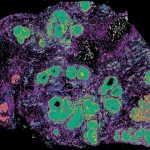
NIH-funded researchers delayed signs of amyotrophic lateral sclerosis (ALS) in rodents by injecting them with a second-generation drug designed to silence the gene, superoxide dismutase 1 (SOD1). The results, published in the Journal of Clinical Investigation, suggest the newer version of the drug may be effective at treating an inherited form of the disease caused by mutations in SOD1. Currently, the drug is being tested in an ALS clinical trial (NCT02623699).

Read More