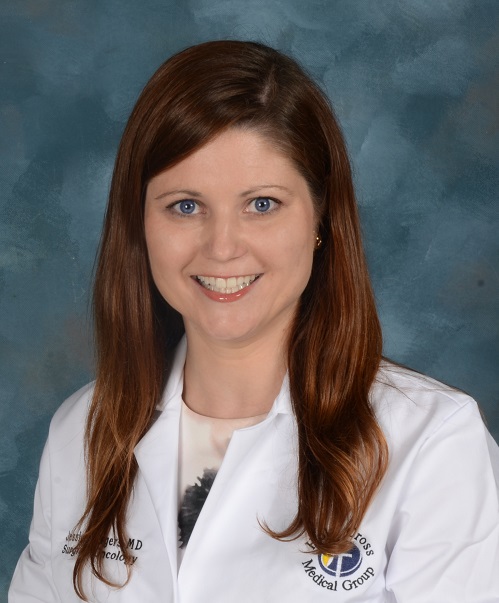


By Jessica L. Burgers, MD, FACS
We all know of someone who has been diagnosed with breast cancer. National Breast Cancer Awareness Month in October serves as a reminder that screenings are crucial because early detection saves lives.
We’ve come a long way. While breast cancer remains the second leading cause of death in women, deaths from breast cancer have declined over time according to the Centers for Disease Control and Prevention. That is due to the advancements we have made in diagnosis and treatment.
Treatment: One size does not fit all when it comes to treatment. At Holy Cross Health, our multi-disciplinary team provides an individualized treatment plan to optimize a patient’s best breast health. It’s incumbent upon healthcare providers to listen to our patients – what are their priorities, perspectives, goals? What is the biology and stage of the tumor? What treatment modalities will lead to a cure? What role does their family play in the decision-making process? The medical team, patient and the patient’s support system working together leads to the best outcomes.
Empowerment: We must empower our family and friends to take care of their health.
Unfortunately, one of the consequences of COVID was that patients were remiss in making and keeping doctor appointments. Ignoring signs of breast health issues and delaying care could, and many times does, lead to a worse prognosis.
Encouragement: I encourage patients to ask questions. We have so much information at our fingertips, but “Dr. Google” won’t give you the personalized answer. Talk to your physician, be proactive and be preventive.
Education and awareness: That is particularly important in under-served communities and vital to better medical outcomes. I am proud to say that since 2011, the Holy Cross Health Partners in Breast Health program has provided outreach education, clinical breast exams, screening mammograms and diagnostic procedures to lower income and minority women age 40 and older who lack access to healthcare services. The program also provides services to symptomatic women who are younger than 40. Compared to the overall population, studies show that African American and Hispanic women are more likely to die from breast cancer due to lack of screenings, late-stage diagnoses and differences in tumor biology.
Partners in Breast Health is designed to facilitate access to breast health care for women who don’t have other resources. More than 50% of patients in our Partners in Breast Health program diagnosed with breast cancer have been under the age of 50, exceeding national statistical data. The program’s goals are to reduce late-stage breast diagnosis, decrease death in minority populations and provide 1,000 screening mammograms annually to uninsured individuals living at or below 200 percent of the federal poverty level.
At the Dorothy Mangurian Comprehensive Women’s Center at Holy Cross HealthPlex, Partners in Breast Health clients receive education, screenings and diagnostics. Referrals to the program come from community outreach events, partner organizations and most often from other friends and family members who have accessed the program.
Certainly, there is a spotlight on Breast Cancer Awareness Month in October. But we can’t forget that patients are diagnosed with cancer year-round.
Dr. Jessica L. Burgers is a Specialist in Breast Surgical Oncology at the Bienes Cancer Center at Holy Cross Health.