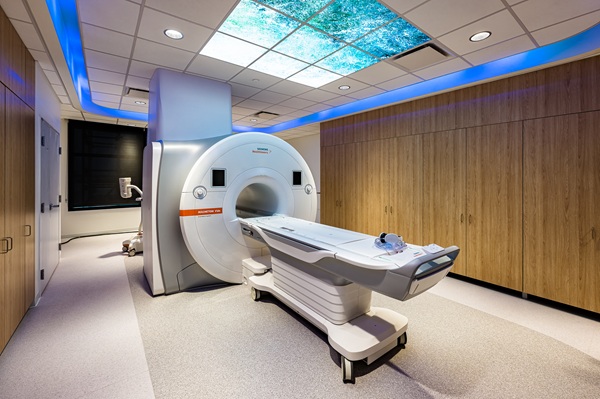
How Mount Sinai Medical Center Is Preparing Clinical Teams for the Braman Comprehensive Cancer Center
By Wendy Stuart and Don Barnes
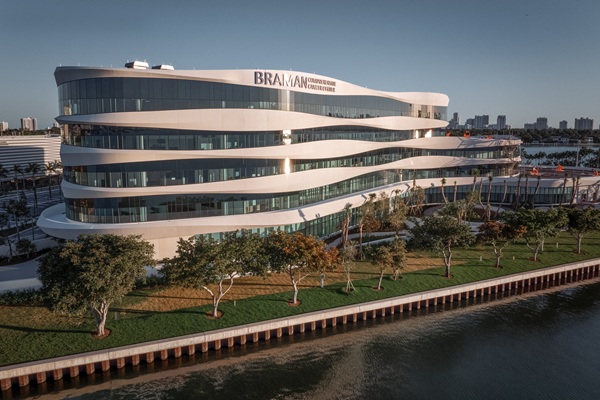
When Mount Sinai Medical Center set out to build the Braman Comprehensive Cancer Center, leadership recognized early that the building would only be as strong as the teams inside it. Opened this week, the center will more than triple Mount Sinai’s oncology capacity, expanding from 60,000 to 216,000 square feet. With that growth comes a clinical staffing challenge that required planning well before the first patient walks through the door.
The expansion is substantial across every clinical area, from infusion and radiation oncology to imaging and physician practices. Services that were previously housed in the main hospital or limited in capacity are now being consolidated and scaled within a single, purpose-built cancer center. That kind of growth doesn’t just mean more space. It means more nurses with specialized competencies, many of which did not previously exist at this volume within our system.
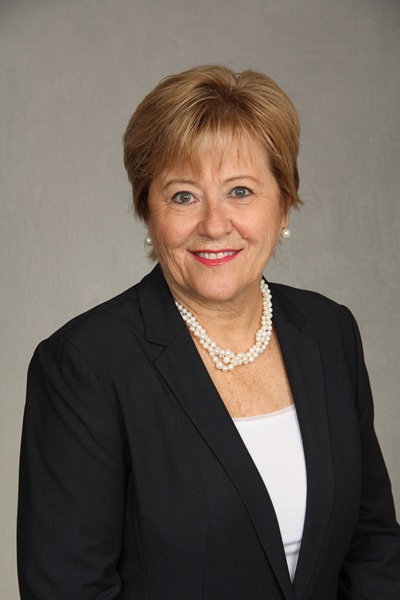
Wendy Stuart
That reality shaped our workforce strategy from the start. Rather than hiring reactively as the opening date approached, we began recruitment and pipeline development early, building a phased plan around three priorities: attracting experienced oncology nurses from across the country, cross-training existing Mount Sinai staff, and creating structured onboarding pathways for nurses entering cancer care for the first time.
Recruitment has been both local and national. The Braman Comprehensive Cancer Center is a destination facility, and we have positioned it that way in how we attract talent. Oncology-certified nurses with backgrounds in infusion therapy, radiation oncology, and surgical oncology are being actively recruited, with emphasis on candidates who bring both clinical depth and experience in multidisciplinary care models. We are also growing from within. Nurses across the Mount Sinai system who expressed interest in oncology have been offered cross-training opportunities and clinical rotations to build foundational skills ahead of the transition.
Preparing nurses for the center’s technology and clinical workflows has been a major focus. The center introduces new equipment, expanded treatment protocols, and a higher volume of complex cases across radiation, infusion, and imaging. Nurses are training to support these capabilities so they can operate with confidence from day one, rather than learning on the job during a high-visibility launch.
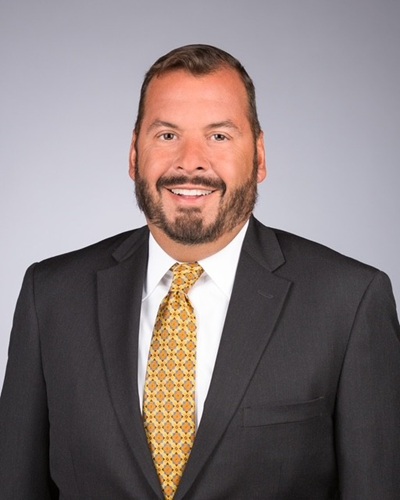
Don Barnes
Onboarding has also been redesigned for this moment. New hires entering the Braman Comprehensive Cancer Center will move through a structured orientation that pairs clinical competency training with the center’s care philosophy. Cancer care demands a different kind of nursing presence. Patients may visit dozens of times within a single year of treatment, and the relationships they build with their care teams shape their experience in profound ways. Our onboarding process reflects that, emphasizing communication, patient navigation, and the integrative and supportive care services that set this center apart, from psychosocial oncology and nutrition counseling to music therapy and survivorship programs.
None of this happens without intentional planning. Health systems across the country are navigating workforce shortages, rising labor costs, and growing demand for specialized clinical talent. Building a new cancer center in the middle of those pressures means workforce strategy cannot be an afterthought. It has to be embedded in the project from the beginning, with the same rigor applied to staffing models as to construction timelines and equipment procurement.
The Braman Comprehensive Cancer Center represents a new chapter for Mount Sinai and for cancer care in South Florida. The nurses who will staff it are not an operational detail. They are the foundation of the patient experience, and preparing them to lead from day one has been one of the most important investments we have made.
That the center opened during both National Oncology Nursing Month and Nurses Week feels fitting. As health systems across the country plan their own expansions, the lesson is straightforward: workforce strategy is not what you build around the opening. It is what makes the opening possible.
Wendy Stuart is Chief Nursing Officer and Senior Vice President, Mount Sinai Medical Center and Don Barnes is Chief Human Resources Officer, Mount Sinai Medical Center.