

By Vanessa Orr
For years, physicians and physician assistants (PAs) who have trained internationally or out of state have been able to work in Florida under temporary licenses in order to provide care in underserved areas. Since the Florida Legislature reconvened on Jan. 13, however, these providers may soon be able to obtain full-time licensure if they meet the proper qualifications.
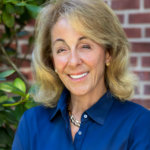
On Dec. 17, Rep. Yvette Benarroch introduced HB 809: Licensure by Endorsement for Temporary Certificate Holders in Areas of Critical Need. The bill, designed to help mitigate Florida’s ongoing healthcare workforce shortage, would allow those temporary license holders already working in Florida in places like county health centers, correctional facilities and the Veterans Administration to earn full-time licenses. This license would also allow them to work anywhere in the state.
There are a number of reasons why this bill is important. Florida is projected to experience one of the most severe physician shortages in the U.S., in part because of the increasing demand for medical care as Florida’s population continues to age and grow. The physician workforce is also aging, leaving a shortage of providers as these doctors retire.
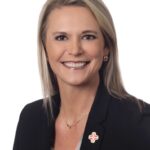
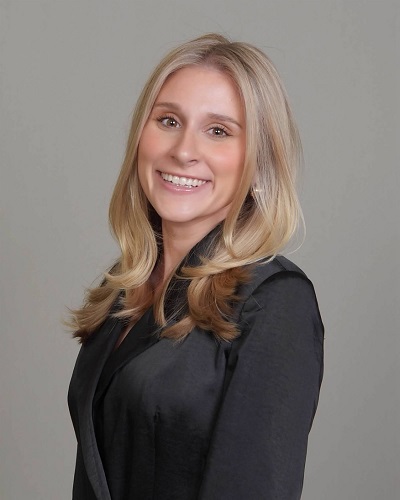
“We’ve been seeing an uptick in population since 2020-21 when COVID hit, with a lot of people coming to Florida to retire,” said Kyla Murphy, AVP National Healthcare Practice, Risk Strategies. “Many of these patients have been seeing nurse practitioners as there aren’t enough physicians to keep up with the growth.”
Prospective medical students are also choosing to enter other fields or practice in other states as a result of higher insurance premiums, as well as a lack of residency training spots in Florida.
“Florida doesn’t have as many spots as it does residents, even though Florida has many amazing medical schools,” said Murphy. “When a person can’t get a spot in a residency training program here, they end up moving to another state.”
According to FLMedical.org, Florida currently needs almost 4,000 new physicians to meet the current need. By 2030, that number is expected to increase to 22,000 new practitioners needed.
In order to gain a full-time license, physicians and PAs must have been practicing in the state on a temporary license for four years immediately before applying for full-time status. They must pass a certification exam and obtain a recommendation from a medical director or supervising physician, and be in compliance with board rules and standards.
If HB 809 passes, it would go into effect on July 1, 2026. This is expected to cause some changes in the insurance industry, a number of which would benefit physicians.
“We believe that more insurers would be willing of offer coverage, and that physicians would have more policy options,” said Murphy, noting that physicians with temporary licenses typically pay more due to higher risk. “There would also be less reliance on the excess and surplus market and more access to standard carriers.”
Having more full-time physicians in the state could also help reduce physician burnout, provide more job flexibility and stability, result in higher compensation and contract options, and allow physicians to work where they want.
Some drawbacks, according to critics, is that the bill may result in physicians leaving rural areas and county or correctional facilities to move to urban markets, creating more competition for already established doctors. Physicians who have taken the traditional path to full-time licensure may not approve of this nontraditional path, and from an insurance standpoint, it could increase claims frequency by having more providers in the market.
While long-term implications of the bill can’t fully be predicated, Benarroch believes that it’s time for physicians and PAs who have worked in underserved and high-need areas to earn full-time status.
“HB 809 creates a clear and sensible pathway for doctors who are already serving Florida patients under temporary certificates to obtain permanent licensure and continue providing essential medical care to the people of our state,” she said.
For more information, contact Kyla Murphy at Kyla.murphy@risk-strategies.com or call (800) 966-2120.