By Dr. Jennifer Goldman
Artificial intelligence is no longer a future concept in healthcare. It is already helping clinicians deliver more timely, informed and personalized care. At Memorial Healthcare System, we are seeing firsthand how thoughtfully implemented AI can support clinical decision-making, improve efficiency and support better patient outcomes.
Across our organization, AI is being integrated into clinical workflows in ways that support physicians, nurses and care teams while maintaining a strong focus on safety, ethics and human-centered care.
Today, AI assists clinicians in numerous ways, from summarizing patient histories and scanning radiology images to supporting clinical decision-making for chronic conditions. AI tools are also helping streamline diagnostic workflows by scanning test results, highlighting key findings and helping clinicians prioritize and manage cases more efficiently.
One of the most promising applications of AI is its ability to identify risks before they become serious health events. At Memorial, we use AI-driven predictive models to support the early identification of patients with sepsis and those at risk for acute renal failure. AI also helps identify patients who may be at high risk for hospital readmission, allowing care teams to intervene earlier and develop more personalized care plans.
The impact is already being felt across Memorial Healthcare System. We have observed improvements in diagnostic speed, particularly in radiology, where urgent cases can be flagged sooner for review. By helping clinicians access critical information more quickly, AI supports faster decision-making and earlier intervention when needed.
The benefits extend beyond diagnostics. AI is helping improve efficiency across departments through faster access to relevant patient information and more streamlined workflows. By automating routine administrative tasks and providing personalized decision support, these tools help reduce administrative burdens on clinicians, improve physician satisfaction and create more time for patient care.
At Memorial, AI tools are integrated directly into the electronic health record, helping clinicians access information at the point of care. Physicians can quickly review concise patient summaries, prioritize cases based on AI-driven alerts, respond more efficiently to patient advice requests using AI-assisted draft messages and leverage evidence-based recommendations tailored to individual patient needs.
While the potential of AI is significant, responsible implementation remains essential. Innovation must always be balanced with strong oversight and a commitment to patient safety.
To ensure AI is used safely, ethically and responsibly, Memorial has established robust governance structures and oversight processes. A multidisciplinary governance committee that includes clinical, technical and compliance experts review AI tools for accuracy, transparency and potential bias before implementation.
Every solution undergoes a rigorous evaluation process that includes assessments of clinical utility, accuracy, integration capabilities and user experience. New technologies are piloted in controlled environments and feedback is gathered from frontline clinicians before broader deployment. We also require patient consent and thorough validation before any new AI solution goes live. Continuous monitoring helps ensure ongoing safety and effectiveness.
Physician engagement has also been critical to successful adoption. As with any new technology, trust is essential. We have found that clinicians respond positively to AI-enabled tools when they see real-world benefits for both providers and patients. Training, transparency and clinician involvement throughout the process have helped build confidence in AI’s role within healthcare.
Importantly, AI should enhance, not replace, the human connection that remains at the center of medicine. By giving clinicians faster access to relevant information and evidence-based insights, AI can support more meaningful conversations, shared decision-making and personalized care.
Looking ahead, I am particularly excited about advancements in AI-powered predictive analytics, remote patient monitoring and conversational tools that support both clinicians and patients. These technologies have the potential to further personalize care, optimize resource allocation and improve health outcomes.
As healthcare organizations continue their AI journeys, success will depend not only on technology but also on thoughtful implementation, clinician engagement and strong governance. When used responsibly, AI can be a powerful partner in delivering safer, more efficient and more personalized care for the patients we serve.
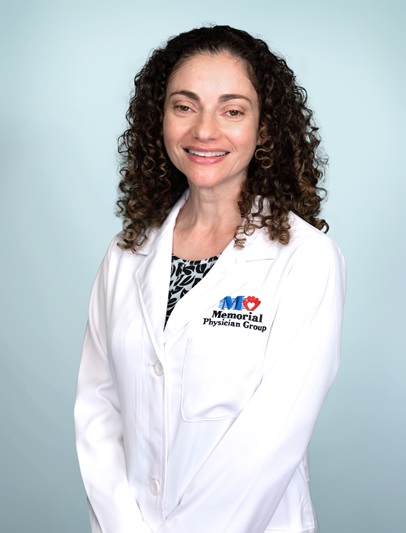
Dr. Jennifer Goldman is VP, CMIO and Chief of Primary Care at Memorial Healthcare System.