By Mary C. Mayhew
Florida’s hospitals across the state are known for their advanced, world-class care. From the smallest of rural hospitals to the largest of urban academic medical centers, our hospitals provide emergency and trauma care, surgeries, acute care, and complex multi-specialty care. Their teams are curing what’s ill, repairing what’s broken, and healing what’s hurt.
But that’s not where their work and commitment start or end.
Because so much of what determines an individual’s and a community’s health happens outside of an operating room, emergency department, or a med/surg unit, Florida’s hospitals are also deeply engaged in work in communities and neighborhoods that supports good health, beyond providing world-class medical care. An estimated 80 percent of health status and outcomes are determined or highly influenced by non-medical drivers – the conditions in which people are born, grow, live, work, and age. These are factors like nutritious food, community safety, reliable transportation, educational and employment opportunities, and housing.
This health-promoting work is the heart of community benefit. Florida’s nonprofit hospitals that are members of the Florida Hospital Association invested $5.7 billion last year in community benefit activities and programs across the state to promote and support healthy communities, extending their mission well beyond the walls of the hospital.
This work could be hamstrung if lawmakers in Washington advance legislation (H.R. 9504), which further regulates nonprofit hospitals. After passing the Ways & Means Committee in July, the full House could consider the bill before the end of the year. As drafted, the bill would add significant compliance requirements and costs to the already long list of challenges hospitals face, such as increased administrative burden and costs from health insurance plans, shrinking payments, and a growing uncompensated burden. Likewise, any further regulation that imposes a one-size-fits-all standard will dilute the ability of different hospitals to meet the unique needs of their communities.
One of the primary strengths of community benefit is its responsiveness to local community needs. Hospitals regularly undertake an extensive process to determine their community’s health needs through a Community Health Needs Assessment (CHNA). This comprehensive survey broadly reviews the needs of a community, such as rates of diabetes, cardiovascular disease, substance use disorder, mental illness, and many other pressing conditions. The results of these surveys help to shape the priorities of hospitals and health systems and their partnerships with other community organizations to improve the health and well-being of the individuals and families in their communities.
Through community benefit activities, nonprofit hospitals are engaged in efforts to support educational goals for children, to expand access to preventive services, to support free clinics, to expand access to dental care, to enhance healthcare literacy, to improve the array of services for our elderly, and to address the ever-growing need for community-based mental health services. Hospitals are helping to bridge gaps in social services that negatively impact well-being and health outcomes for children and adults. These initiatives often are closely aligned with local or state health department priorities – such as helping moms into early prenatal care, tackling housing instability for those with mental illness, supporting nutrition programs to address food insecurity, or developing innovative programs to overcome transportation barriers.
This work is in addition to the charity care hospitals provide for patients in their communities who are uninsured or do not have the means to pay for their care despite having healthcare coverage. With 2.6 million Floridians lacking healthcare coverage and another 4.4 million Floridians covered by Medicaid, hospitals absorb a large portion of costs associated with caring for these populations. Last year, FHA-member hospitals incurred $4.6 billion in costs associated with patients receiving free care, financial assistance, or coverage through means-tested programs.
Community benefit programs improve the lives of millions of Floridians every single day by getting to the heart of health and taking a community-centered, holistic approach to well-being. A healthy Florida begins in the community, well before an individual is admitted to the hospital, and Florida’s nonprofit hospitals are an integral part of cultivating healthy neighborhoods and communities where children, adults, and seniors can thrive. More regulation that imposes additional compliance costs or a clunky one-size-fits-all standard will only take essential resources away from these vital community benefit programs.
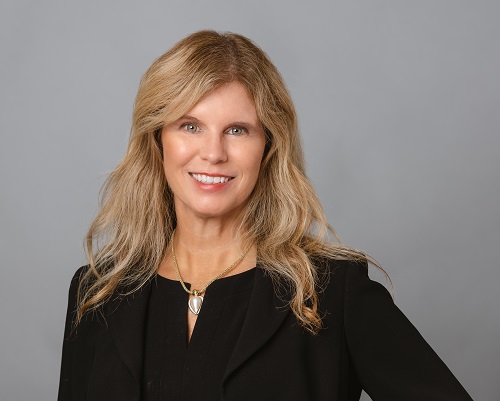
Mary Mayhew is President and CEO, Florida Hospital Association.