Patients with a wide range of heart disease diagnoses and symptoms are experiencing less-invasive surgeries, faster recoveries and a quicker return to normal activities, thanks to the growth of robotic-assisted cardiac surgery technologies and expertise at Jupiter Medical Center.
Jupiter’s expert team of highly trained surgical specialists perform complex, minimally invasive procedures that help return patients to their feet quickly without the need to undergo open-heart surgery.
Instead of spending weeks and months in recovery and rehab from conventional, open-incision heart procedures, patients who undergo robotic-assisted heart surgery are experiencing quicker symptom relief and are returning to everyday activities in a matter of days or weeks, not months, says Jupiter Medical Center specialists.
Instead of traveling long distances, cardiac patients from Palm Beach and the Treasure Coast can find state-of-the-art care close to home at nearby Jupiter Medical Center.
Benefits of robotic-assisted surgery
These capabilities are supported by evolving technologies in the operating suite, including robotic surgical systems that allow surgeons to thread tiny, surgical-camera instruments via small robotic arms inside the body — without the need to open the patient’s chest to see, access and treat the heart, cardiac tissue or blood vessels. The robotic arms translate the surgeon’s hand, wrist and finger movements into precise, real-time surgical actions as they treat and repair an ailing heart.
These activities are supported by three-dimensional, high-definition imaging that gives surgeons precise views of robotic instruments and their movements and actions in real time. The benefits: greater surgical precision, smaller incisions, less blood loss, fewer complications, shorter hospital stays and a quicker return to normal activities.
Robotic technology addresses key heart diagnoses
Robotic-assisted surgical technology can treat a growing list of heart ailments, including:
- Repair or replacement of the tricuspid valve, which controls blood flow between the right atrium and right ventricle
- Repair of holes in the heart
- Closure of the left atrial appendage, a procedure that keeps blood clots from leaving the heart and causing strokes
- Removal of benign tumors from the heart
- Repair of congenital damage to the heart
- Perform atrial fibrillation ablation procedures to control valves that flutter uncontrollably
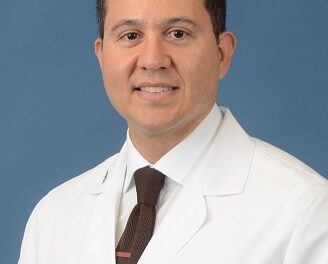
- Bypass blocked arteries with the robotic-assisted minimally invasive coronary bypass (RA-MIDCAB) procedure, which treats blockages inside the heart via a small three-inch chest incision instead of a procedure that separates the breastbone for open-chest access to the heart and placement of coronary artery bypass grafts. “This is a pivotal moment not just for Jupiter Medical Center but for the field of cardiac surgery,” says Vivek Patel, M.D., FACS, a is board-certified and fellowship-trained cardiovascular and thoracic surgeon. “RA-MIDCAB offers a safer, more efficient alternative to traditional methods, and we’re thrilled to bring this robotic technology to our community.” Dr. Patel performed Jupiter’s first such procedure in late 2024.
- Heart failure, via the Barostim™ procedure in which surgeons rely on robotic arms to implant a small device onto a patient’s carotid artery in the neck; the Barostim device overrides the body’s underperforming anatomical signals by emitting electrical impulses which tell the brain that blood volume and blood pressure are normal, allowing blood to flow freely. “The Barostim device basically tricks your body into thinking that the arteries are not so tight,” adds Dr. Patel. “Its presence loosens the arteries in the body, allows blood to flow more freely and eases patients’ symptoms.”
Jupiter Medical Center’s robotic heart surgeries are performed in the Johnny & Terry Gray Surgical Institute, which features sophisticated diagnostics, leading-edge robotic technologies, and state-of-the-art imaging capabilities.
The Institute’s hybrid operating rooms unite the surgical suite and cardiac catheterization technology, enabling surgeons and interventional cardiologists to perform multiple procedures in one setting and treat more than one type of heart problem at the same time.
For information about robotic-assisted cardiac surgery at Jupiter Medical Center, visit jupitermed.com/heart.