By: Dr. Atif Hussein, Dr. Brian Hunis and Dr. Luis Raez
March 9, 2026 – In Broward County, cancer touches nearly every family. It does not discriminate by ZIP code, hospital district, insurance status, or hospital affiliation. For patients facing the most difficult diagnosis of their lives, what matters most is simple: access to the best possible care, close to home.
For more than 25 years, Memorial Cancer Institute has built a comprehensive cancer program rooted in research, clinical trials, disease-specific expertise, and true multidisciplinary collaboration. What began as a regional effort has evolved into a mature oncology program capable of delivering advanced therapies, personalized treatment plans, and coordinated supportive care.
Now, Broward County has an opportunity to take the next logical step: expanding that proven model through collaboration with Broward Health. This is not about branding or merging. It is about raising the standard of cancer care across our community.
Modern oncology is extraordinarily complex. Breast cancer is no longer treated as a single disease; it is defined by molecular subtype. Lung cancer therapy depends on genetic mutations and biomarker testing. Immunotherapy, targeted agents, precision radiation, genetic counseling, survivorship planning, and palliative care must be coordinated seamlessly to deliver optimal outcomes.
That level of care requires infrastructure: research nurses, data teams, tumor boards, subspecialists, trial coordinators, and quality monitoring systems. Over the past quarter century, Memorial Cancer Institute has built that infrastructure.
Patients at the institute benefit from access to national clinical trials offering tomorrow’s treatments today, disease-focused specialists dedicated to specific cancer types, multidisciplinary tumor boards where surgeons, medical oncologists, radiation oncologists, radiologists, and pathologists collaborate on complex cases, and grant-funded research initiatives that drive innovation locally.
But cancer patients live throughout Broward County. Many first enter the healthcare system through Broward Health facilities. They should not face barriers to clinical trials, subspecialty expertise, or coordinated multidisciplinary care simply because of where they begin their journey.
By aligning resources and extending an established oncology framework into Broward Health, we can create a countywide system that ensures equitable access to advanced cancer care, particularly for vulnerable and underserved populations.
The benefits would be substantial.
First, patients would gain broader access to cutting-edge clinical trials without traveling outside the county. Clinical trials are not experimental long shots; they are often the therapies that set tomorrow’s standards of care.
Second, a unified regional approach would strengthen recruitment of top-tier oncology specialists. Physicians trained in disease-specific care seek environments that support research, collaboration, and innovation.
Third, collaboration would enhance competitiveness for federal and philanthropic research funding. Grant agencies increasingly prioritize population diversity and community engagement. A broader and more representative patient base strengthens that position.
Fourth, keeping complex oncology care local reduces the need for families to travel to Miami or out of state for advanced treatment. When care remains in Broward County, patients stay connected to their support systems and the local healthcare economy grows stronger.
Most importantly, collaboration improves quality. Fragmented systems create delays, duplication, and inconsistencies. Coordinated systems streamline diagnosis, accelerate treatment decisions, and ensure adherence to evidence-based guidelines.
For 25 years, Memorial Cancer Institute has demonstrated that building a strong, research-driven oncology program requires vision and sustained investment. Broward Health plays an essential role in caring for our community, particularly for patients who rely on the public health system for access.
Memorial Cancer Institute is home to one of the largest cancer programs in Florida and the second-largest Hematology and Oncology Fellowship Program in the state. Together, these institutions can create something larger than either could alone: a unified cancer network serving all of Broward County.
Cancer patients do not ask which hospital system owns their care. They ask whether their treatment reflects the most current science. They ask whether experts have reviewed their case. They ask whether they have access to every possible option.
Our community deserves to answer those questions with confidence. Broward County has the talent, the patient population, and the experience to become a model for collaborative, community-based academic oncology. Now is the time for Broward County’s healthcare, community, and elected leaders to come together to discuss and advance policy solutions that enable collaboration between Memorial and Broward Health, with one goal in mind: ensuring that every patient in our community has access to the highest standard of care.
Cancer does not wait. Neither should we.
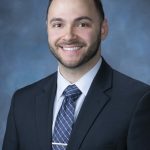
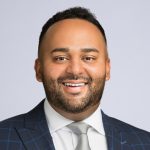
Dr. Atif Hussein is Director of the Hematology & Oncology Fellowship Program at Memorial Healthcare System and a practicing medical oncologist at Memorial Cancer Institute in Broward County.
Dr. Brian Hunis is Medical Director of Adult Oncology at Memorial Cancer Institute.
Dr. Luis Raez is Medical Director at Memorial Cancer Institute and Co-Director at the MCI/FAU Florida Cancer Center of Excellence.