By Tammy Scott Reese, MBA, BSN, RN
Despite advances in healthcare, 700 women in the U.S. die during pregnancy or from complications of childbirth within a year. Black women are three times more likely to die from a pregnancy-related cause than white women. Even worse, according to the U.S. Centers for Disease Control and Prevention (CDC), more than 80% of these deaths are preventable.
That’s why my colleagues and I at Memorial Primary Care created programs to ensure our patients get the assistance they require, both pre- and post-partum. By combining remote monitoring and telehealth, we’ve been able to positively impact maternal health outcomes in South Florida.
A Dangerous Situation
Hypertension, or high blood pressure, is a common cause of complications during pregnancy, with preeclampsia a related issue that poses a significant danger to mothers. It accounts for nearly 15% of maternal deaths worldwide.
I know first-hand how problematic these situations can become. At age 30, and pregnant with my third child, my blood pressure rose. Doctors delivered the baby immediately and treated my hypertension.
But once I got home, an agonizing cough, which I attributed to catching a cold, made it difficult to breath when lying down. I was losing weight and finally went to the ER some weeks later. When the doctor said I needed to be admitted to the hospital, I protested, feeling it was more important to take care of the baby. I’ll never forget what came next. “If you leave this hospital, you may not make it back alive,” the doctor said.
I didn’t have a cold. It was congestive heart failure, a postpartum effect of preeclampsia.
Increased Access to Care
Memorial’s hypertension navigator program works to prevent others from going through what I did by having moms monitor their blood pressure with cuffs we provide them. The clinical team contacts the mom every three days to discuss results, while also coordinating care visits, connecting to additional services, and educating about what they are experiencing. If there are troubling indicators, navigators will warn the woman to look for symptoms that can include abdominal pain, blurry vision, swelling in the legs, and throbbing headaches, all potential signs of a larger health issue.
Our three family birthplaces (at Memorial Regional Hospital, Memorial Hospital West, and Memorial Hospital Miramar) and all six of our hospital’s emergency departments immediately notify a navigator if a pregnant woman presents with a blood pressure of 140 over 90 or higher. Since January 2023, we’ve received more than 3,300 referrals for expectant and new moms whose numbers put them at risk and enrolled nearly 1,500 in the program.
At the same time, however, we knew incorporating telehealth would be the next step to further impact the overall health and well-being of these women.
Making Connections
The Severe Maternal Mortality Telehealth (SMMT) program began last September to increase and enhance the care provided to high-risk, maternal patients. Utilizing a grant from the Florida Department of Health, the program funds blood pressure cuffs, diabetic accu-check machines, and the technology required to complete a telehealth visit, such as a tablet or internet-connected phone.
Post-partum appointments can now be conducted using an online link, with blood pressure and glucose readings monitored by portable devices in the home submitted to the medical team through secure messaging. Providers then review and make real-time changes to the plan of care, including an assessment of the need for further attention and/or medication management.
To date, we’ve enrolled nearly 500 women in the SMMT program, with more than half supplementing telehealth visits by actively using equipment that enables self-monitoring of vital signs.
While the hypertension navigators and telemedicine have had early success preventing blood pressure-related conditions from elevating to crisis levels, we’re continuing to inform, advocate, and educate local communities to affect change.
Our message to expectant and new moms is that if they have concerns about their blood pressure, it’s imperative to consult a doctor right away. If they don’t have a health care provider, and want to connect with us, we can help identify a Memorial Healthcare System physician, provide equipment, and make telehealth arrangements.
Their health, and that of those that need them most, depends on it.
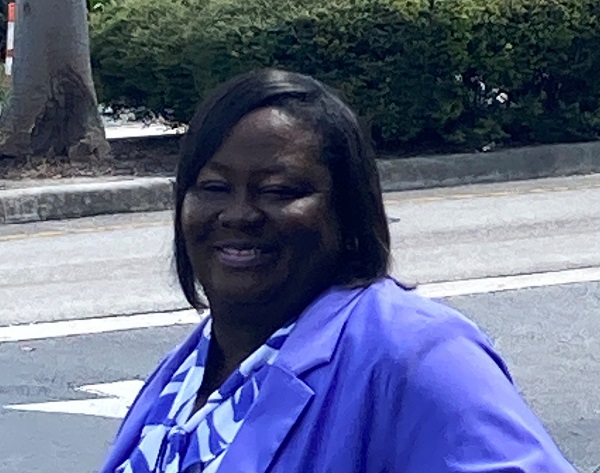
Tammy Scott Reese is a nurse and director of care coordination and population health management at Memorial Primary Care.