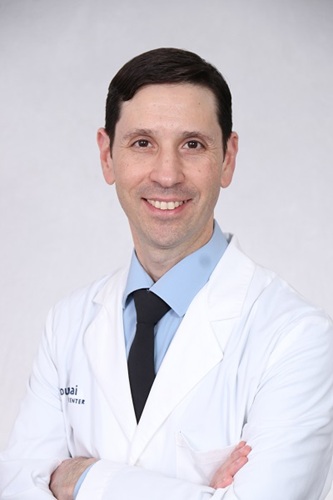
By Dr. Alon Weizer
Medicine is changing at an unprecedented pace. New procedures, emerging therapies, and rapidly evolving technology are transforming how care is delivered. As a result, the way physicians are trained must evolve just as quickly to ensure patients continue to receive safe, high-quality, and coordinated care.
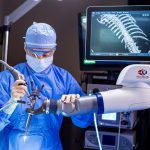
Today’s training programs must prepare physicians not only to master advanced procedures, but also to understand new medications, apply precision medicine, and responsibly integrate tools such as genomic testing and artificial intelligence into clinical decision-making. These innovations hold tremendous promise, but only if physicians are properly trained to interpret and apply them in ways that improve outcomes and protect patient safety.
While technology plays an important role, the foundation of strong graduate medical education remains engaged, committed faculty. At teaching hospitals, education must be embedded in the culture, with expectations that all medical staff contribute to training and mentorship. This goes beyond teaching clinical skills. Faculty model professional behavior, patient-centered care, teamwork, and lifelong learning, all of which are essential for physicians who will eventually lead care teams and shape the next generation of healthcare delivery.
Encouraging residents and fellows to become lifelong learners is especially important. Medicine does not stand still, and neither can physicians. Training programs that emphasize inquiry, research, and continuous improvement prepare physicians not only to succeed in practice, but also to contribute to advancing medical knowledge and improving care for future patients.
As one of Florida’s original statutory teaching hospitals, Mount Sinai Medical Center has long made education a core part of its mission and culture. That commitment is reflected in the Andrew Witkoff Graduate Medical Education Program, which trains more than 200 residents and fellows each year. To better serve community needs, Mount Sinai has expanded residency training in areas such as general surgery, urology, and anesthesia, and is actively developing fellowships in reconstructive urology, electrophysiology, and cognitive neurology.
Workforce development, however, must extend beyond subspecialty training. Strong primary care training is essential, particularly in internal medicine, obstetrics and gynecology, and pediatrics, as these physicians often coordinate a patient’s care across an increasingly complex healthcare system. This approach is strengthened by the breadth of Mount Sinai’s training programs across multiple disciplines, including Internal Medicine, Emergency Medicine, Obstetrics and Gynecology, Surgery, and Urology. As healthcare policy and reimbursement continue to emphasize coordinated, value-based care, preparing physicians to lead teams and manage continuity of care becomes even more important.
Despite the growing demand for physicians, funding for graduate medical education has not kept pace with population growth. Federal support through the Centers for Medicare and Medicaid Services (CMS) does not fully cover the cost of training residents and fellows, and many hospital training positions have been capped since the 1990s. While some state programs help support new training positions, hospitals often operate above their funded caps, absorbing the cost of additional trainees to meet community needs.
This funding structure creates challenges in states like Florida, where population growth continues to increase demand for physicians across nearly every specialty. Training positions have not expanded at the same rate as the population, which means many medical school graduates must leave the state to complete their training. Since physicians often practice near where they train, this can limit opportunities to retain talented clinicians who could otherwise care for local communities.
Hospitals and health systems play a vital role in addressing this gap by investing in new training programs and expanding existing ones, even when full funding is not available. These investments are essential to strengthening the healthcare workforce and ensuring access to care for growing populations.
Hospitals must remain not only centers of care, but also centers of learning. By advancing technology, strengthening mentorship, and expanding training opportunities, healthcare institutions can help prepare physicians who are equipped to lead, innovate, and deliver high-quality care for years to come.
Dr. Alon Weizer is Chief Medical Officer, Mount Sinai Medical Center.