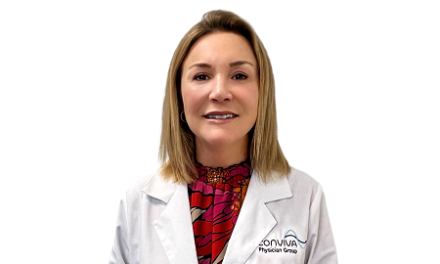
By Sabina Khan, PhD, OTD, OTR/L
The candid discussion by Brittany Mahomes about her back fracture secondary to pelvic floor dysfunction post-childbirth brings much-needed attention to this critical period, highlighting the comprehensive care necessary beyond physical healing. The rising maternal mortality rates in this country highlight the pressing need for enhanced postpartum support and recovery practices. Although often overlooked, occupational therapy (OT) has a multifaceted role in supporting maternal health, particularly following both vaginal and cesarean deliveries, the latter being one of the most common surgeries performed worldwide.
C-sections, while common, leave women grappling with lifting restrictions, pain management issues, and difficulties performing activities of daily living (ADLs). In this context, early referral for an occupational therapy evaluation during the hospital stay emerges as a critical step in equipping women for a better recovery trajectory post-discharge.
The integration of occupational therapy into early postpartum care represents a pivotal shift towards a more inclusive, patient-centered model of maternal health care. Healthcare providers, by referring women for an OT evaluation in the early postpartum phase, play a crucial role in this paradigm shift. Such referrals not only demonstrate a commitment to comprehensive care but also highlight the importance of addressing the wide spectrum of needs that women face following childbirth.
The pelvic floor’s role in supporting not only the pelvic organs but also its integral connection to the abdomen, back, and the entire upper body, cannot be overstated. It works in concert with the diaphragm and core muscles to maintain posture, continence, and internal organ support. When dysfunction occurs, as highlighted in Brittany Mahomes’ case, the repercussions extend beyond pelvic health, impacting the whole body’s stability and function. This emphasizes the importance of addressing pelvic floor health proactively, particularly during pregnancy and the early postpartum phase, to prevent the cascading effects on physical wellness, emotional stability, and daily life activities.
Pelvic floor dysfunction during pregnancy or postpartum can significantly impact women’s engagement in social activities, leading to avoidance of such engagements due to symptoms like incontinence, pain, and prolapse. This withdrawal can deeply affect emotional and mental health, disrupt daily routines, and alter performance patterns and roles, underscoring the need for specialized intervention. Occupational therapy employs holistic strategies that facilitate independence and enable women to continue engaging in meaningful daily activities despite these challenges. Through individualized care plans that address not only physical symptoms but also the emotional and social implications of pelvic floor dysfunction, OTs empower women to reclaim their active roles within their families and communities.
Recent studies have illuminated the role of OT in not just enhancing recovery but also in significantly reducing hospital readmission rates. By identifying potential challenges in the early postpartum phase and implementing tailored interventions, OTs ensure that women are better prepared to navigate the postpartum period with fewer complications. This proactive approach aligns with the broader goal of optimizing healthcare outcomes while minimizing the need for readmission due to postpartum complications.
Referring women for an OT evaluation in the hospital provides them with an early start in managing the physical, emotional, and mental aspects of recovery. For women who have undergone a vaginal birth or cesarean section, OTs offer invaluable guidance on pain management, wound care, and safely navigating ADLs within the confines of post-surgical restrictions. These interventions include educating women on ergonomics, body mechanics, and the use of assistive devices, empowering them to engage in daily tasks with confidence and independence.
Occupational therapists also provide strategies for emotional and mental well-being, recognizing the profound impact of maternal mental health on recovery and the overall family dynamic. Through individualized care plans, OTs facilitate coping mechanisms, stress management techniques, and activities that promote bonding with the newborn, thus supporting a holistic recovery process that acknowledges the intricate interplay between physical health and emotional well-being.
In essence, the inclusion of occupational therapy in postpartum care offers a promising path to enhancing recovery, reducing the likelihood of hospital readmission, and ensuring that women are equipped with the tools and knowledge needed for a successful transition to life post-delivery. As healthcare continues to evolve, the role of occupational therapy in maternal health care becomes increasingly indispensable, offering insights and interventions that cater to the complex, multifaceted nature of postpartum recovery.
Dr. Sabina Khan, Assistant Professor at the University of St. Augustine for Health Sciences in Miami, is a Certified Women’s Health and Pelvic Floor Specialist.