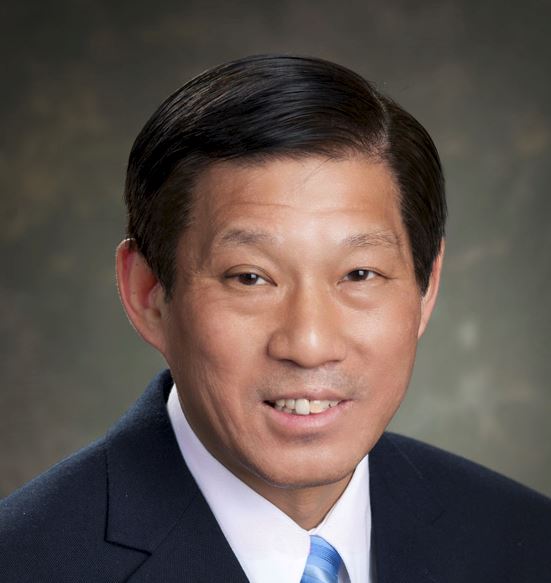
By Christopher Chang, MD
Medicine is changing, and not simply because of advances in technology, artificial intelligence or new treatments. One of the most significant transformations taking place in healthcare is the way physicians practice medicine and the organizations in which they deliver care.
For generations, physician-owned practices were a defining feature of American medicine. That model remains an important part of the healthcare landscape, but the ownership and employment structures of physician practices have changed significantly. According to the AMA’s 2024 Physician Practice Benchmark Survey, 42.2% of physicians worked in practices wholly owned by physicians in 2024, down from 60.1% in 2012. Importantly, practice ownership should not be equated with individual physician employment status: physician-owned practices may include both physician owners and employed physicians. The AMA’s most recent available employment-status data found that in 2022, 49.7% of physicians were employees, 44.0% were practice owners, and 6.4% were independent contractors. Separately, a 2024 analysis by the Physicians Advocacy Institute and Avalere found that 77.6% of physicians were employed by hospitals, health systems, or other corporate entities as of January 1, 2024.
These numbers reflect a healthcare environment that has become increasingly complex. Physicians face growing administrative and regulatory requirements, rising practice costs, changing reimbursement models, workforce challenges and the substantial investment required to maintain modern technology and infrastructure. The AMA survey found that among physicians who sold their practices to hospitals, private equity firms or insurers, inadequate payment rates, access to costly resources and the need to manage payer and regulatory requirements were among the most frequently cited reasons.
There are important advantages to larger organizations. Hospitals and health systems can provide infrastructure, technology, administrative support and access to resources that may be difficult for smaller practices to maintain. Large physician groups can create efficiencies and opportunities for collaboration. Private equity can bring capital and operational expertise.
But consolidation also presents challenges. Physicians may have less control over business decisions, greater pressure to meet organizational expectations and, in some environments, less influence over decisions affecting how care is delivered. The fundamental question is not whether one practice model is inherently better than another. It is whether physicians have a meaningful voice in the healthcare system in which they practice.
This is where medical associations have an increasingly important role.
The Broward County Medical Association (BCMA) has served physicians in our community for a century, and our responsibility is to evolve alongside the profession. Today, our membership includes physicians practicing independently, within hospitals and health systems, in large multispecialty groups, in academic settings and in other emerging models of care.
BCMA must serve all of them. And, in many ways, the BCMA must also be shaped in their mold, reflecting the voices, experiences, aspirations and challenges of the physicians who make up our profession. That is why membership matters. The future of medicine will not be shaped solely by institutions or systems; it will be shaped by physicians who choose to participate, lead, advocate and invest in the future of their profession. We invite every physician to join us, because the stronger our collective voice, the greater our ability to shape the future of medicine in Broward County and beyond.
That means expanding the value we provide beyond traditional advocacy. We are continuing to develop educational programs, networking, professional development, business-of-medicine resources and other practical content designed for physicians navigating today’s healthcare environment. Whether a physician owns a practice, is employed by a health system or works within a large medical group, physicians need trusted resources and a professional community that understands the challenges they face. That is where BCMA can make a meaningful difference by providing practical education, connections and resources that meet physicians where they are in their careers. From The Business of Medicine Bootcamp, designed to give physicians the knowledge and tools to navigate the business realities of healthcare, to our upcoming AI Symposium, which will explore how artificial intelligence is transforming clinical practice and the business of medicine, BCMA is creating opportunities for physicians to learn, adapt and lead.
Just as importantly, physicians need a collective voice that is independent of any particular employer or business model.
As healthcare continues to evolve, BCMA will evolve with it. Our goal is not to preserve a particular model of practice. Our goal is to preserve and strengthen what should remain at the center of every model: the physician-patient relationship, physician leadership and the highest standards of patient care.
The future of medicine will look different from its past. BCMA is committed to making sure physicians have a meaningful voice in shaping that future.
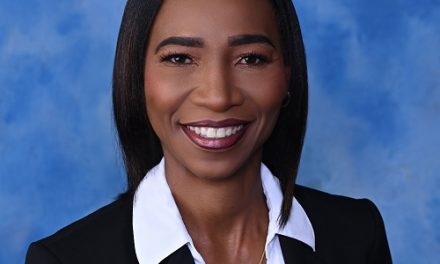
Dr. Christopher Chang is President, Broward County Medical Association.