Todays physicians are faced with an ever-increasing number of daily demands that range from providing care and treatment to handling or overseeing a wide range of administrative responsibilities. Is it possible that theres a better way to practice medicine today one that focuses on the needs of both the patients who make regular office visits and the once-a-year physical check-up types, while also providing positive clinical and financial outcomes?
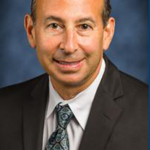
 Paul McLeod, M.D., believes so. As dean of the Pensacola campus of the Florida State University College of Medicine, hes directly involved in educating tomorrows physicians. As a 21-year private practice physician, he personally treated a panel of more than 2500 patients and provided over 8000 patient visits a year. That kind of background and experience eminently qualify him for his third key role, as chief medical executive of MED3000.
MED3000 is a national healthcare management and information technology company that works with large groups of physician practices across the U.S. In his role with the organization, McLeod works with other medical professionals to develop programs that focus on advancing the performance of medical practices and provider networks. For the past three years, one of his primary objectives has been to change the way doctors think about patient care. The solution, says McLeod, is population health management.
“Theres a real paradigm shift taking place among the stakeholders who use and provide care,” he says. “Its shifting toward proactive, management-based care with an emphasis on national standards. Providers can no longer focus only on the patients they see regularly. The population is aging, incidences of chronic diseases are increasing and physicians need to ensure that theyre providing the best possible care. They need to be able to proactively identify and facilitate needs. The challenge for doctors is to determine how they can do this, given their already busy schedules.”
To help them meet the challenge, a few years ago MED3000 is launching an initiative called Population Health Management, which seeks to identify health needs and improve the health status of physician practice populations, while ensuring excellent clinical and financial outcomes. Patients in a particular physicians population those who are on the books at his or her office can range from the regulars who visit a doctors office for ongoing treatment to those the doctor may have not even met. These might include, for example, people who have chosen a primary care physician through their health insurance
The MED3000 pilot program will be undertaken in conjunction with the 400 physicians of the Health First network in Pensacola, Florida. MED3000 expects to expand the program to hundreds of other physicians in IPA clients during the next 12 months. Ultimately, the program will be available to the thousands of physicians in 23 states for whom MED3000 provides revenue and cycle management services.
MED300O has laid the foundation for population health management by creating a database that contains records for about three million patients in its client practices populations. The database includes a variety of demographic information, including patients age, sex, clinical information, lab test results, medication records and more. The data is analyzed and compared to the national health standard.
The theory, according to McLeod, is that when physicians know the needs of patients in their population, they can let them know about screenings and other services they need, but havent yet gotten. In the long run, McLeod believes this approach will improve the level of care patients receive and even reduce the need for hospital admissions. He also envisions the possibility of assigning a “health coach” to patients to ensure theyre continually acting in a proactive manner with regard to their health.
McLeod views this initiative as one that is starting to change how medicine is practiced, and says that participating physicians are doing so enthusiastically.
“The traditional model for patient care, as taught in medical schools, is to listen to the patient, use your education to determine what the problems are and treat in a way thats textbook-oriented,” he says. “Today, though, its widely known that the population needs screenings and other services that they may not be aware of. Its also a fact that we live in a diverse population. How can physicians and other healthcare providers get their hands around this and do a better job of helping patients manage their lifestyles?”
Also, how do physicians know what their patients need especially those who arent in some sort of regular contact? “Physicians have responsibility for all members of their population,” says McLeod. “However, until now we havent had an effective way to track their needs.” Part of the solution, he adds, is for patients to take a more active role in their health care. Over the past few years, the results have begun speaking for themselves. McLeod notes that white papers have been developed that describe how the initiative is working.
MED3OOO works with more than 7,000 physicians, hospitals and health systems, empowering them to improve their clinical outcomes, operational results and financial returns through advanced knowledge, operations and technology resources.
Focused on performance, the organizations systems, services and people are dedicated to increasing revenue, growing medical practices and ensuring the highest level of cost efficiency, while allowing physicians and managers to focus on management, growth and medicine. MED3000 has a strong record of success in improving practice performance by providing a unique combination of practice management, information technology and data reporting expertise.
Paul McLeod, M.D., believes so. As dean of the Pensacola campus of the Florida State University College of Medicine, hes directly involved in educating tomorrows physicians. As a 21-year private practice physician, he personally treated a panel of more than 2500 patients and provided over 8000 patient visits a year. That kind of background and experience eminently qualify him for his third key role, as chief medical executive of MED3000.
MED3000 is a national healthcare management and information technology company that works with large groups of physician practices across the U.S. In his role with the organization, McLeod works with other medical professionals to develop programs that focus on advancing the performance of medical practices and provider networks. For the past three years, one of his primary objectives has been to change the way doctors think about patient care. The solution, says McLeod, is population health management.
“Theres a real paradigm shift taking place among the stakeholders who use and provide care,” he says. “Its shifting toward proactive, management-based care with an emphasis on national standards. Providers can no longer focus only on the patients they see regularly. The population is aging, incidences of chronic diseases are increasing and physicians need to ensure that theyre providing the best possible care. They need to be able to proactively identify and facilitate needs. The challenge for doctors is to determine how they can do this, given their already busy schedules.”
To help them meet the challenge, a few years ago MED3000 is launching an initiative called Population Health Management, which seeks to identify health needs and improve the health status of physician practice populations, while ensuring excellent clinical and financial outcomes. Patients in a particular physicians population those who are on the books at his or her office can range from the regulars who visit a doctors office for ongoing treatment to those the doctor may have not even met. These might include, for example, people who have chosen a primary care physician through their health insurance
The MED3000 pilot program will be undertaken in conjunction with the 400 physicians of the Health First network in Pensacola, Florida. MED3000 expects to expand the program to hundreds of other physicians in IPA clients during the next 12 months. Ultimately, the program will be available to the thousands of physicians in 23 states for whom MED3000 provides revenue and cycle management services.
MED300O has laid the foundation for population health management by creating a database that contains records for about three million patients in its client practices populations. The database includes a variety of demographic information, including patients age, sex, clinical information, lab test results, medication records and more. The data is analyzed and compared to the national health standard.
The theory, according to McLeod, is that when physicians know the needs of patients in their population, they can let them know about screenings and other services they need, but havent yet gotten. In the long run, McLeod believes this approach will improve the level of care patients receive and even reduce the need for hospital admissions. He also envisions the possibility of assigning a “health coach” to patients to ensure theyre continually acting in a proactive manner with regard to their health.
McLeod views this initiative as one that is starting to change how medicine is practiced, and says that participating physicians are doing so enthusiastically.
“The traditional model for patient care, as taught in medical schools, is to listen to the patient, use your education to determine what the problems are and treat in a way thats textbook-oriented,” he says. “Today, though, its widely known that the population needs screenings and other services that they may not be aware of. Its also a fact that we live in a diverse population. How can physicians and other healthcare providers get their hands around this and do a better job of helping patients manage their lifestyles?”
Also, how do physicians know what their patients need especially those who arent in some sort of regular contact? “Physicians have responsibility for all members of their population,” says McLeod. “However, until now we havent had an effective way to track their needs.” Part of the solution, he adds, is for patients to take a more active role in their health care. Over the past few years, the results have begun speaking for themselves. McLeod notes that white papers have been developed that describe how the initiative is working.
MED3OOO works with more than 7,000 physicians, hospitals and health systems, empowering them to improve their clinical outcomes, operational results and financial returns through advanced knowledge, operations and technology resources.
Focused on performance, the organizations systems, services and people are dedicated to increasing revenue, growing medical practices and ensuring the highest level of cost efficiency, while allowing physicians and managers to focus on management, growth and medicine. MED3000 has a strong record of success in improving practice performance by providing a unique combination of practice management, information technology and data reporting expertise.