Leading change and motivating staff is an overwhelming task, especially in the healthcare setting. South Florida Hospital News asked healthcare leaders to share their views of effective leadership.
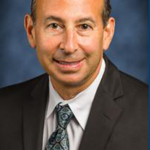
 Larry Coomes
COO
West Boca Medical Center
Be open and honest. It is important to ensure that your team understands not just that a decision was made, but why it was made.
Be reliable. Do you what you say you are going to do and take accountability for your actions both good and bad. You will gain a lot of respect and instill those values in others. What techniques do you use to overcome the most common obstacles in change implementation: I like to utilize a collaborative team approach so that everyone has buy-in to the change. It is important from the outset to define the groups objectives and expected results to help guide that collaborative process. What are the characteristics of an effective leader: You must be available, open, honest, and reliable. What communication techniques do you recommend: You can never underestimate the power of face-to-face communication. Rather than shooting someone a note or email, I like to go visit them in their office that keeps me out in the facility and visible as much as possible. What were the major influences that contributed to your success as an effective leader: Persistence and assertiveness – strive for continued excellence in everything that you do.
 Michele Chulick
Associate Vice President and Executive Director Clinical Operations
University of Miami Health System
University of Miami, Miller School of Medicine
The methods or techniques that are used to lead a successful change transition must create a sense of purpose for the organization with a vision that will inspire individuals to be part of the change. Vision is a key ingredient to help direct, align and inspire actions for a large number of people that are involved in organizational change. Because change is so difficult to sustain, the vision and stated goal must be one that people can embrace and believe that they can join.
Additionally, the development of trust is vital. Trust in those that are leading the transformation is essential to gain the support of the team that will be formed to lead the organization through change. With trust and a vision that includes a driving sense of purpose, a powerful team can be formed that will facilitate cultural and organizational change.
What are the characteristics of an effective leader: An effective leader is motivating; An effective leader can inspire others to join the team, working in tandem toward a common goal and vision. An effective leader must be a formidable communicator of the companys vision and through that communication empower his employees to work together to achieve the stated vision.
What communication techniques do you recommend: I recommend honest, open, and transparent communication. Communication that includes hidden agendas is not credible and does not facilitate development of a team.Communication needs to take place in everything we do, in our actions, in our words and in our writings. We are an age of email users and email readers. Sometimes the true meaning of our communication is lost in a written email. So I recommend that when possible, we strive to take the time to communicate important events, policies, changes and decisions in person, to reduce the risks of misunderstanding and provide a personal give and take to the interaction. Personal one on one communication can and never should be replaced with email, when the communication is critical to decision making or changes that are to be integrated into the organization.
What were the major influences that contributed to your success as an effective leader: I believe that I am an effective leader because I am an inclusive, rather than an exclusive leader. I empower those that I work with and encourage them to work to their fullest potential. I engage each and every team member to work together to achieve the goals of the organization through open and honest communication. I build a team environment and foster that environment through a results oriented approach to goal achievement. I am very approachable and view that as a quality that fosters openness in the work environment.In order to be an effective leader, you must have an effective team. I am an effective team builder. The team that works with you and for you is a key ingredient to individual as well as team and organization successes. Team building and the ability to gain the trust of the team are essential.
Communicating the value of trust and the vision for the future must penetrate down through the multiple layers of the organization, and the most effective way to do this is through the team that you build. My success has been a result of the teams that I have built, that have enabled the organizations that I have been associated with to achieve success.
 Amy Barry
Vice President and Chief Human Resources Officer
Martin Memorial Health Systems
As a life long learner, I continue to grow and learn, trying to give as much as I receive. Being happy is the key to everyones success. I find joy in learning from others and having the privilege in leading others to not only do their best, but work with their teams to accomplish things that otherwise would be unattainable without the support and involvement of others.