By Lois Thomson
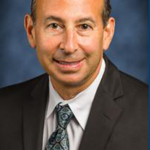
Raymond Barnett, R.N., Bioethics and Patient Rights Coordinator for Baptist Health South Florida, talked about three things that are specific to the field: bioethics, advance directives, and how to contact bioethics if you are in the hospital setting. He used the National Institute of Health’s definition of bioethics: the study of ethical, social, and legal concerns in biomedicine and research. In other words, he said, “It’s not only what’s morally correct – what’s right and wrong – but also legal, because sometimes they conflict.”
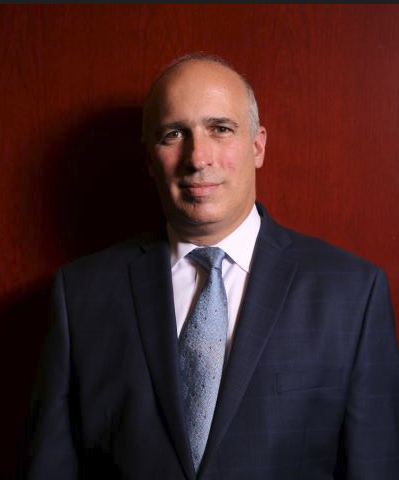
RABBI DR CLAUDIO KOGAN
Barnett’s director, Rabbi Dr. Claudio Kogan, said, “The answer of what is bioethics is bio and ethics. Biology and ethics.” As technology grows and we therefore grow in knowledge, conflicts and questions tend to arise, and it is important to make sure that patients’ wishes are granted for any procedure. Rabbi Dr. Kogan called it “the informed consent,” where patients sign papers before they see doctors, acknowledging the possibility of risk and the benefit of any treatment or procedure.
Barnett said the second part of bioethics, regarding how it affects patients who are either hospitalized, or are outpatients, or anyone who encounters the healthcare system, is a document instrument called an Advance Directive. These are legal documents that provide instructions for medical care in the event one cannot communicate their wishes about end-of-life care to the healthcare team. The three most common types are the Living Will, Power of Attorney or Durable Power of Attorney, and healthcare instructions.
He clarified that the living will specifies the type of medical treatment you would or would not want in the event you are in a terminal condition or persistent vegetated state; POA specifies healthcare wishes, including designating a healthcare surrogate; and healthcare instruction also specifies a healthcare stand-in and a medical treatment you would or would not want in the event you are unable to communicate your wishes.
Rabbi Dr. Kogan followed up by saying, “The idea is that someday each of us may not have the capacity to express our own wishes, so it is important that we use this document – called an Advanced Directive – to delegate them to somebody we trust and believe that he or she will do the best for us when we do not have that capacity.”
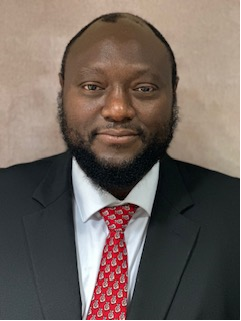
RAYMOND BARNETT
He said it is particularly important in South Florida because of the different cultures that exist. “I come from a Hispanic culture, and Hispanic people try to avoid discussing end of life. The first step is to help them understand and make them aware that this is important, so that when situations are difficult, their loved ones will know what they want.” Rabbi Dr. Kogan said it is not just a question of the quality of life and how people want to spend their last days, but also the idea that they might want to donate organs. He pointed out, “You can save at least seven or eight lives by doing that,” so he encourages people to share those thoughts with loved ones.
The third topic is how to get ahold of an ethics consultant when you are in the hospital, and who can make the request. Barnett said, “Anyone from the healthcare team, or the patient or family who has concerns about an ethical issue, can reach out to any hospital ethics team.” He said that whereas most hospitals must put together a committee to help resolve ethical issues, Baptist Health has a Bioethics department.
“We have a full-time team that addresses ethical concerns with physicians, in collaboration with pastoral care services, social work, case management, to come to a rapid resolve for issues that occur with our patients. It’s a faster resolution when an ethical situation arises, and that’s important because sometimes the issues can be very time sensitive.”
Rabbi Dr. Kogan added, “We have to be clear at Baptist Health System, to have Bioethics in which we are calling out the hospital to make sure the patient has the best treatment, and we focus on the patient’s rights because our title is Bioethics & Patient Rights.”
He said studies have shown that when there is a team inside the hospital – one that knows the community and the medical team – the solution is much more proactive, and goals are accomplished in a very professional way. “That is what makes Baptist Health South Florida a very special place. This is what we do here, in a very team-based, patient-oriented way; everybody is part of the treatment that helps the medical team and of course, the patient, achieve a good ending.”
Rabbi Dr. Kogan concluded, “At Baptist we talk the talk and walk the walk.”
For more information, call (833) 692-2784 or visit www.baptisthealth.net.