By Vanessa Orr
As more children continue to receive devastating cancer diagnoses, it’s more important than ever that treatments continue to advance in order to find cures. Fortunately, the hematology/oncology specialists at KIDZ Medical Services are at the forefront of this effort in South Florida, resulting in more positive outcomes for the pediatric patients they serve.
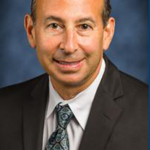
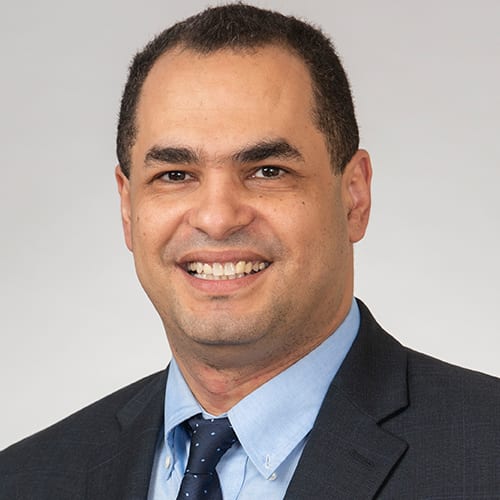
“Pediatric oncology has very much improved in the last two decades because of advances in diagnostic technique and analysis, which has helped us learn more about tumors and how they behave, and what therapy we can provide in order to affect a cure,” explained Dr. Ossama Maher, a KIDZ Medical Services board-certified pediatric hematologist oncologist practicing at the Helen & Jacob Shaham Cancer & Blood Disorders Institute at Nicklaus Children’s Hospital. Dr. Maher serves as the medical director of the blood and marrow transplant program, and associate clinical director of the neuro-oncology program.
“Every child seen by our practice that is diagnosed with a solid tumor or even liquid malignancies, such as leukemia, are sent for advanced molecular testing on this tumor in order to allow us to learn more about it,” he said. “This way, we can combine chemotherapy with precise medicine or targeted therapy, which can synergistically help to increase the tumor’s cure rate.”
Dr. Maher and his KIDZ Medical Services peers at Nicklaus Children’s Hospital have also begun using immunotherapy as a front-line treatment for patients with advanced-stage Hodgkin’s lymphoma, which was previously only used at the time of relapse. They are also using precise medicine for some brain tumors and delivering therapies in amounts adequate for children while avoiding overtreating patients or increasing toxicity, reducing further harmful effects to the patient.
Advanced molecular diagnosis has improved the care of solid tumors such as neuroblastoma, which now involves multiple treatments of chemotherapy combined with immunotherapy and targeted therapy in order to treat tumors that often presented in advanced and metastatic stages.
“Treatments have advanced a lot, and in some pediatric cancers, we have reached close to perfection on survival of certain types of tumors,” said Dr. Maher. “But we are still desperately trying to find a cure for more aggressive tumors, such as some brain tumors or metastatic solid tumors. This is why it’s so important to have clinical trials for these patients in order to assess new drug safety and efficacy for those tumors not responding to chemotherapy or radiation therapy.”
Unfortunately, while clinical trials can help to advance pediatric cancer treatment, long wait lists and the fact that trials are not available in many hospitals makes it difficult for patients to enroll, according to Dr. Maher.
“It’s a big challenge, and we need more clinical trials in each state to ensure shorter wait lists—when a child is very sick, time is of the essence in order to start them on treatment,” he said.
“Most clinical trials are also designed for adult cancers because of the numbers—there are more adults with cancer than children,” he added. “While many drugs that we use have been extrapolated from the adult experience, recently, more clinical trials have been dedicated to pediatric cancer, which can help us to improve treatment for these patients.”
At Nicklaus Children’s Hospital, KIDZ Medical Services has been involved in the EXVIVO Study in which doctors take a specimen of a tumor at the time of relapse and grow its cells in a dish, trying multiple drugs to see which is most effective.
“As a result, we make a treatment regimen for the patient using the most effective drug to treat their cancer, and so far, we’ve been very successful with this approach,” said Dr. Maher, who predicts more changes coming in terms of new therapies and targeted therapies designed to improve cure rates of pediatric cancer.
“We are excited about immunotherapy, which has been shown to improve survival rates for refractory and multiple relapses leukemias,” Dr. Maher said. “We are also excited that we will soon be offering gene therapy for some of the hematological diseases like sickle cell anemia and thalassemia, for patients when stem cell transplant is not a suitable option.”