By Vanessa Orr
The COVID-19 pandemic put a huge strain on healthcare, revealing numerous gaps in the healthcare system. One of these is the ongoing shortage of physicians—particularly primary care physicians—available to see patients, which meant that physician assistants (PAs) and nurse practitioners (NPs) stepped up to provide much-needed care.
As a result, many PAs now want to be able to practice solo without having to be supervised by a physician. While the state of Florida did update the role of PAs in 2021 allowing them more responsibilities, legislation is still in place that requires a physician to supervise their work.
According to the U.S. Bureau of Labor Statistics, demand for physician assistants, who already provide primary care, pediatric care and mental health services, will grow by 28 percent by 2032. So why shouldn’t they go solo?
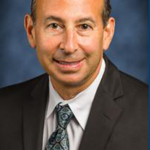
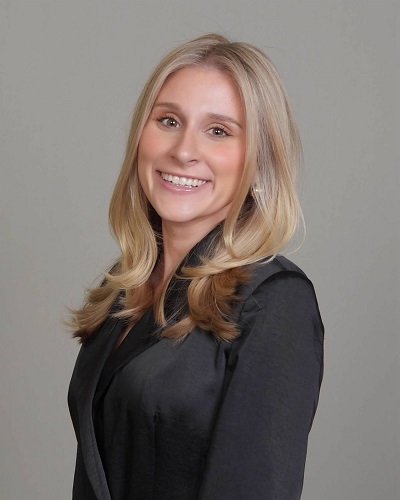
One of the concerns for patients, according to Kyla Murphy, AVP National Healthcare Practice, Risk Strategies, is whether PAs have the training and knowledge required to provide certain care without physician supervision.
“PAs do go to school for certain specialties and work in different areas, just as physicians do,” she explained. “But their training is not the same; a physician goes through more schooling and post-graduate training including internships, residencies, and sometimes fellowships that provide them with more knowledge on more complicated medical issues. PAs go to school for six years and can receive great medical training but they do not receive the same training as physicians.”
Though PAs used to work as solo practitioners or worked in small groups of physician assistants, as times changed, so did the rules governing their ability to practice.
“Now physicians, nurse practitioners and physician assistants all work as a team because the rules and regulations determine who can practice solo,” said Murphy. “If the laws change, one PA could work with another PA, which would certainly make a practice’s job easier when putting teams together.”
Solo PAs could help in areas with underserved populations where there are not enough physicians available. This could also be beneficial for physicians who can be required to provide coverage for the PAs through their liability insurance, as PAs working solo would need to provide their own coverage.
“When supervising PAs, a physician can supervise up to 10 individuals in Florida—imagine the liability that they take on,” said Murphy. “If PAs go solo, doctors can reduce that liability unless they are directly involved in the case at hand.
“If legislation passes that allows PAs to work solo, these professionals would also be able to receive payments from Medicare and insurers directly, which they currently are not able to do,” she added. “There is currently a very contentious matter between physicians and PAs and the robust debate will continue until the Florida legislature speaks.”
While the issue of PAs going solo is brought up to the Florida Legislature every year, increased lobbying efforts by physician assistants are bringing even more attention to the matter.
“There appears to be both benefits and drawbacks to having PAs practice autonomously,” said Murphy. “If PAs got to practice without physician supervision, this could provide some relief from the ongoing physician and nursing shortages and help all providers combat burnout. The argument against this is that it could create greater risk for patients and more exposure for not only the autonomous PAs but the physicians and entire team of care providers.”
For more information, contact Kyla Murphy at Kyla.murphy@risk-strategies.com or call 800-966-2120.