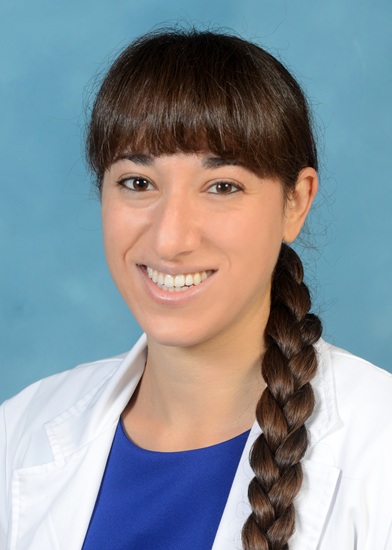
By Rabbi Allison B. Cohen, BCC
A pioneer of holistic healthcare, Dr. Hunter “Patch” Adams once said, “You treat a disease, you win, you lose. You treat a person, I guarantee, you’ll win, no matter the outcome.” At Holy Cross Health, this wisdom shapes our commitment to care for the whole person in body, mind and spirit.
Professional chaplaincy plays a vital role within today’s healthcare system. Board-Certified Chaplains (BCCs) are trained clinical practitioners, grounded not only in their faith endorsement but also in advanced pastoral education with a focus on patient-centered care. At Holy Cross Health, our Spiritual Care Department partners with our interdisciplinary care teams—physicians, nurses, social workers, therapists and more—to provide truly holistic care. While the medical team focuses on the physical aspects of illness, we focus on the emotional, spiritual and relational needs that shape a person’s sense of well-being.
One common misconception is that chaplains only provide prayer, but we are here to offer a lot more. We are available to respond to both urgent and non-urgent requests with interventions such as advanced care planning, assistance with emotional regulation and coping skills, crisis support, end-of-life discussions, exploration of meaning and hope, grief education and bereavement support, help with religious and cultural observances, support after receiving a new diagnosis, and values-based decision making.
Holistic care also means caring for caregivers—loved ones and medical professionals alike—who pour so much of their emotional and physical energy into supporting others. For them, the familiar saying, “You can’t pour from an empty cup,” can feel discouraging and unrealistic. When you’re caring for someone who is sick, frail or dying, the thought of filling your own cup can feel selfish or impractical. Yet as chaplains, we witness the toll caregiving can take when a person’s own well-being is overlooked. True self-care is not indulgent. It is essential to sustaining the capacity to love and support another. Beyond the physical self-care list of getting adequate sleep, eating nutritious meals and staying hydrated, one must also tend to the soul. Here are some suggestions for how to do this:
- It begins with the acknowledgement that caregiving is hard. Many caregivers move through each day in survival mode, focused solely on the next task or appointment. Pausing long enough to acknowledge this reality allows compassion to begin with yourself and reminds you that you are deserving of care too.
- Self-care also means permission: permission to rest, to ask for help, to recharge your battery without guilt, as well as to be flexible and have grace for oneself. Keeping small routines such as stepping outside for fresh air, drinking a favorite cup of tea, attending a workout class or reading a daily prayer or meditation can bring grounding and provide structure.
- Self-care means connection. Caregivers often feel isolated as their world narrows to hospital rooms or daily medical routines. To avoid isolation, identify people who can listen without judgement—a friend, a faith leader or therapist—to hold space for you to express your feelings of grief, frustration and fatigue. This provides an outlet, so you don’t end up accidentally unloading onto your care recipient. Finding a support group can also be immensely helpful. Even if you don’t feel up to sharing, it can remind you that you’re not alone.
- Finally, self-care involves meaning-making. Caregiving can feel relentless, but within it are moments of holiness: a shared laugh, a gentle touch, a word of gratitude, a holding of the hand. When caregivers can reflect on these moments and recognize their own courage and love provided, they begin to refill their cup from within.
The holiday season is a time when joy and grief often sit side by side, and we recognize how tender this time can be. At Holy Cross Health, holistic care is woven into our mission. It involves the body, mind and spirit, and it recognizes that a patient’s well-being is interconnected with their support system. Even when an illness cannot be cured, spiritual care can help bring an individual towards inner healing and wholeness. Our Spiritual Care Department is honored to support those within our hospital system, as well as provide outside resources.
To learn more, please visit holy-cross.com/for-patients/spiritual-care. Rabbi Allison B. Cohen is Manager of Spiritual Care, Holy Cross Health.