By Vanessa Orr
Approximately one out of 100 babies is born with a heart defect. While that diagnosis can be terrifying for parents, the good news is that outcomes for these pediatric patients have improved significantly over the years.
“Forty or fifty years ago, what we would consider a lethal heart defect was no longer the case; we very rarely see patients that we can’t help,” said KIDZ Medical Services’ Pediatric Cardiologist Carlo Zeidenweber, M.D. “Every day, new technologies and new devices are helping to improve outcomes.”
KIDZ Medical’s team of pediatric cardiologists—who cover Miami-Dade, Palm Beach, St. Lucie, and Collier counties—deal with several heart issues, including congenital heart defects present at birth, arrhythmia, tachycardia, endocarditis, benign heart murmurs, hyperlipidemia, hypertension, fainting, obesity, heart damage caused by infections or viruses, pediatric chest pain, and more.
While adult symptoms may include chest pain, fainting, or difficulty breathing, children present heart problems differently, according to Dr. Zeidenweber.
“A child may be born blue because of low oxygen saturation, find it hard to breathe or sweat a lot, or get really tired when feeding,” he explained. “They may not gain weight because the heart is underdeveloped.
“Nowadays, a lot of heart problems are diagnosed while the baby is still in the womb,” he added. “We’ve gotten so good at diagnosing patients early that by the time a baby is born, we already have a plan in place.”
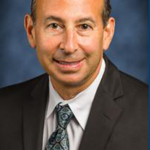
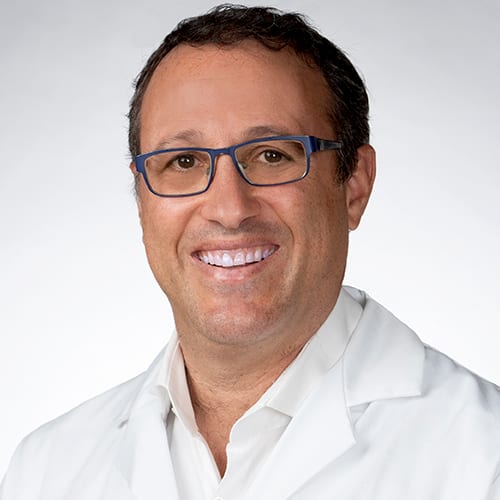
Dr. Zeidenweber is board-certified in pediatrics and pediatric cardiology. He specializes in treating patients from the fetal stage through adulthood with congenital heart disease.
Dr. Zeidenweber received his medical degree from the Universidad Anahuac in Mexico City, Mexico, and performed his residency training in pediatrics at Miami Children’s Hospital. He completed a pediatric cardiology fellowship at Emory University in Atlanta and an interventional fellowship at Denver Children’s Hospital in Colorado.
Treating Young Hearts
According to Dr. Zeidenweber, pediatric cardiology patients have a range of treatments available to help them get better.
“This can range from open heart surgery for more complicated patients to catheter-based therapy, which has significantly advanced over the years,” he explained. “You can help children a lot without stopping the heart; you can do most everything you need to do using a catheter through the leg, which is less invasive and results in fewer complications for patients.”
Medication is also an option, and in some cases, physicians just follow the patients in hopes that the defect will heal on its own. Each patient is studied individually to determine the best course of therapy.
“When a baby’s heart doesn’t form correctly, there can be multifactorial reasons,” said Dr. Zeidenweber. “It can be genetic in children with Down syndrome or Turner syndrome, but also happen spontaneously. It is not uncommon to see a mother who has had five normal pregnancies give birth to a child with a significant heart issue.”
Dr. Zeidenweber says he appreciates working for KIDZ Medical Services because it provides strong support in caring for these patients.
“The company was initially a neonatology-based group that has expanded over the years to include multiple specialties,” he explained. “I believe that neonatology and cardiology are intertwined and work very well together, which has improved outcomes for these patients.”
He notes that very few centers perform open-heart surgery, and many babies born with heart problems need emergent care.
“In some cases, hospitals don’t know what to do with children born with heart problems; KIDZ has such a high outreach that our pediatric cardiologists are able to pick up these heart problems in remote places where they might not otherwise be diagnosed. This has improved survival significantly for South Florida children,” said Dr. Zedenweber.
Because patients who have had heart surgery may face future complications, their progress is followed as they age, allowing Dr. Zeidenweber to watch his patients thrive.
“I like this field because it’s very exciting; it’s constantly changing, and I’m always learning,” he said. “And when you can help a child born with a heart problem and relieve their parents’ anxiety, that is very, very rewarding.
“It creates a special bond,” he added. “Because we provide lifelong care, it gives us the opportunity to see kids who are born with significant heart problems grow up; they become a little bit like your own children. I have babies that were diagnosed with problems in utero that are now age 13; I get to see them growing and thriving, and that gives special meaning to practicing in this field.”