By Daniel Casciato
At a time when healthcare systems across the country are grappling with workforce shortages, burnout, and evolving patient needs, the Nursing Consortium of Florida is demonstrating the power of sustained collaboration. Bringing together educators, health systems, and stakeholders from across the state, the Consortium has built a model rooted in trust, shared purpose, and measurable outcomes, one that is helping to strengthen both the academic and clinical sides of the nursing profession.
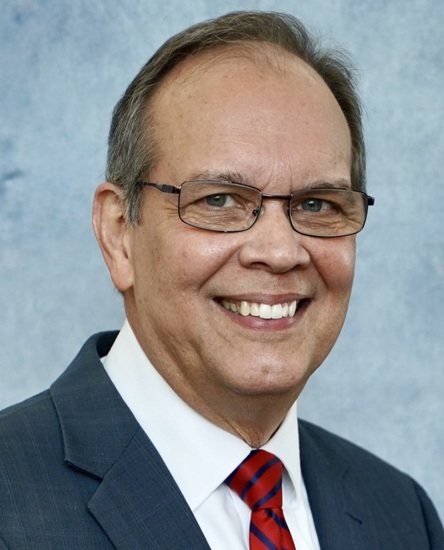
For Executive Director Ralph Egües, Jr., impact is not measured by a single data point, but by a combination of outcomes that reflect both performance and participation.
“We measure our impact by looking at both member success and the strength of our collaborative infrastructure,” Egües explains. “We have more volunteers from member organizations contributing through more committees than ever before.”
That growing engagement is critical, particularly as Florida continues to face unique challenges in nursing education. Unlike many other states, Florida has a large number of nursing schools, including some of the biggest programs in the country. While that increases access for students, it also creates variability in outcomes, especially when it comes to NCLEX pass rates, one of the most closely watched indicators of program success.
The data, however, shows that collaboration is making a difference. Consortium member Bachelor of Science in Nursing programs achieved an 88.55 percent first-time NCLEX pass rate, outperforming both the statewide average of 81.82 percent and the national average of 86.71 percent. Associate Degree in Nursing programs within the Consortium also exceeded the Florida average, with a collective pass rate of 85.57 percent compared to 78.56 percent statewide. Notably, six out of ten Consortium ADN programs surpassed the national average.
“These are high-stakes metrics for schools,” Egües says, “but they don’t always reflect the complexity of individual student journeys.” In Florida, many nursing students balance work and family responsibilities, and a significant number are English language learners, factors that can influence testing outcomes but also highlight the resilience of the future workforce.
Beyond education, the Consortium is placing a strong emphasis on what happens after graduation. Transition-to-practice, particularly in the first three years of a nurse’s career, has emerged as a critical focus area.
To address this, the organization is preparing to launch a standards-based apprenticeship program designed to better support new nurses as they enter the workforce. The initiative aims to enhance transition-to-practice programs, improve workplace satisfaction, and create greater stability across healthcare systems.
“This is a bold move,” Egües notes. “It’s about bringing additional resources to participating employers to enhance nurse transition-to-practice while also driving innovation and facilitating the adoption of best practices.”
The success of such initiatives is the result of the Consortium’s ability to unite nursing across organizations in practice and academic settings. According to Egües, that level of collaboration is the organization’s “superpower.”
“It starts with a shared understanding that workforce challenges are not competitive issues,” he says. “They are regional, national, and sometimes global challenges. No single organization can solve them alone.”
Trust, built over decades since the Consortium’s founding in the early 1990s, allows members to share experiences openly and benchmark their performance against broader trends. In many cases, that transparency alone empowers leaders to implement meaningful changes within their own organizations.
But collaboration goes beyond conversation. The Consortium facilitates structured, ongoing work through committees, conferences, and initiatives that bring clarity, creativity, and consistency to complex issues.
“No one-time initiative has much of an effect,” Egües emphasizes. “It’s sustained engagement that drives real progress.”
One area where that sustained focus is particularly important is nurse well-being. As workplace stress continue to impact retention, the Consortium has made it a priority to address the broader experience of nurses.
A recent conference in St. Pete Beach, held in a facility still recovering from hurricane damage, focused entirely on nurse well-being at all times, but particularly during and immediately after experiencing natural disasters. The Consortium’s next conference will spotlight innovations such as wearable devices that track biometrics, giving nurses insight into stress levels and contributing factors like sleep quality.
“Retention is directly tied to the experience of the nurse,” Egües says. “We’re focused on creating greater awareness of what it takes to create and sustain environments where nurses feel supported, valued, and positioned for long-term success.”
Through conferences and committee work, the Consortium shares evidence-based strategies for improving workplace culture, strengthening mentorship programs, and increasing leadership engagement at the unit level. The goal is to create sustainable careers in nursing by addressing both professional and personal needs. All member organizations get better by sharing what works and what doesn’t work and why.
At the same time, the organization continues to tackle geographic and specialty-specific workforce challenges. Like much of the nation, Florida is experiencing shortages in critical care, perioperative services, and behavioral health, with rural areas facing additional barriers related to access and distribution.
The Consortium’s long-standing role in aligning education with clinical practice has positioned it to respond effectively. The idea for the new apprenticeship program, came into focus through our collaboration during the COVID-19 pandemic, is one example of how shared insights can lead to novel solutions.
Leadership development is another key component of the Consortium’s strategy. Through conferences, seminars, and mentorship opportunities, the organization is helping to prepare the next generation of nurse leaders and creates opportunities for them to build personal relationships with peers performing similar work in other organizations.
“We’ve seen countless mentor-mentee relationships form through our work,” Egües says. “Even when leadership development isn’t a committee’s primary focus, engaged leaders and emerging leaders are continually benefiting through expanded insights and peer networks.”
Looking ahead, Egües believes the Consortium’s model could be replicated in other states—but not without effort.
“True collaboration at this level is not easy,” he says. “In many markets, competition and distrust get in the way. What we’ve built in Florida is the result of decades of relationship-building and a shared commitment to advancing the profession.”
With virtual committee meetings expanding opportunities for employees of member organizations across the state to participate, conferences now held along the I-4 corridor as well as in southeast Florida, and initiatives like Day in the Life of a Nurse™ launching in additional counties, the Nursing Consortium of Florida continues to broaden its reach and deepen its impact.
In a healthcare landscape becoming increasingly complex, the Nursing Consortium of Florida offers a clear lesson: meaningful change happens when organizations come together—not just once, but consistently—with a shared purpose, a willingness to learn from one another, and a commitment to advancing the nursing profession.
The pandemic experience disrupted three decades of workforce stability, notes Egües.
“The future of nursing will be shaped not only by how many nurses we educate, but by how effectively we prepare, support, and retain nurses across the continuum from education to practice, and in both academic and practice settings,” he says. “Our commitment is to continue advancing innovative, scalable solutions that strengthen the workforce, improve patient outcomes, and ensure nursing remains a supported and rewarding profession for the next three decades and beyond.”
Egües adds that he is continually inspired by the visionary leadership provided by the board and the collective commitment of the growing community of member organizations to advancing the nursing profession.
“Our doing so will contribute greatly to nursing and to the mental, physical, and economic health of the communities we serve,” he says. “Across the Sunshine State, we remain committed to getting better together.”
For more information, visit nursingconsortium.us.