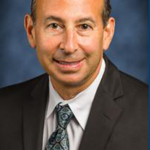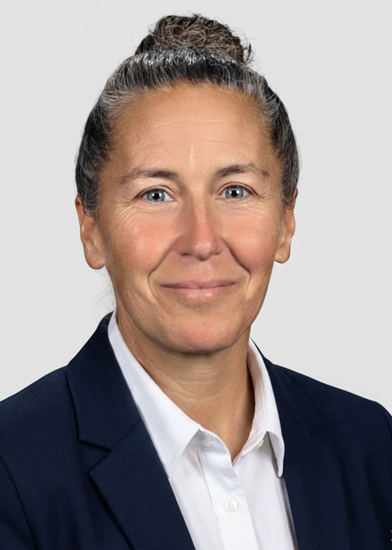
Jessie Brown
“You can’t have person-centered care if you don’t know the person first. Person-centered care is no longer optional, but imperative. It is a must have.”
DUNEDIN, Fla. (June 22, 2026) – When Jessie Brown got a call from her dad’s senior living community that he was “agitated and calling the other residents his kids,” she realized the care partner didn’t know her NFL standout father, suffering from Alzheimer’s, also had been a youth sports coach for 45 years – and was only trying to organize a baseball team.
“I realized something heartbreaking: the nurse didn’t know this vital piece of his life,” recalls Brown, a Dunedin special education teacher. “If she didn’t know that, what else was lost about who my dad was?”
Her research concluded that there exists a knowledge gap between what care partners know about the personal life experiences, families and passions of residents living with dementia that often puts both in frustrating miscommunication situations.
She realized the personal information that matters most about a care recipient is either never captured or locked away where the person delivering care can’t reach it, preventing the application of all-important person-centered care.
CATALYST 4 CONNECTIONS A KEY COMPONENT OF PERSON-CENTERED CARE
Brown created Catalyst 4 Connections to make basic life information available to care partners as a tool to improve person-centered care, which is defined by the Alzheimer’s Association as:
A philosophy of care that recognizes each person living with dementia as an individual. It challenges the traditional medical or staff-directed model of care that tends to focus on processes, schedules, staff and organizational needs. Person-centered dementia care tailors support to the unique needs, preferences and abilities of individuals living with dementia, while also addressing the specific needs of their caregivers through an individualized, family-centric approach.
“You can’t have person-centered care if you don’t know the person first,” Brown declares passionately. “Person-centered care is no longer optional, but imperative. It is a must have.”
The components of Catalyst 4 Connections include an colorful infographic about the person living with dementia displayed at the point of care, whether bedside, in their emergency folder, hospital or rehab room, outside the door to their room or other locations in the community, complete with a QR Code the caregiver can scan to watch an informational video about the resident’s life.
VALUABLE IN ALL RESIDENTIAL SETTINGS
Brown observes that person-centered care should not be limited to memory care facilities, but is valuable in improving the quality of life for persons in hospice, home healthcare, hospitals, rehabilitation centers and other adult and pediatric settings where it can make a positive difference for the care recipient and the care partner.
“A caregiver who knows the person delivers better care. It means a better life for the care recipient and an easier day for the care partner,” declares Brown.
C4C WELCOMED AT FLORIDA FACILITY
“This is how the best things get done in the industry when people that have lived it and understand it and really have that connection to it,” said Andrew Defosses, an executive with Arden Courts in Tampa Bay in a recent TV interview. “It really helps personalize the resident. We often gather information upon move in, but getting that information into the hands of the caregiver has been a challenge, so this is a great, unique way to bring that quick information and really personalize a person’s story.”
“Catalyst 4 Connections was born from a simple yet profound desire to ensure that no one is ever misunderstood, and at the same time to help care teams truly know and connect with the people they serve,” Brown says.
Since its founding 2023, Catalyst 4 Connections has expanded to five assisted living facilities in Florida and one in Texas.
Please visit Catalyst 4 Connections’ YouTube channel to see how it works.