By Saima Chaudhry, MD
Florida is projected to face a shortage of nearly 18,000 physicians by 2035, highlighting the need to expand the state’s physician workforce. As hospitals and healthcare systems respond by growing residency and fellowship programs, an equally important question emerges: How do we ensure that expanding training capacity also delivers high-quality medical education?
The answer goes beyond the number of physicians trained. Accreditation performance, clinical experience, faculty mentorship, research opportunities and the experiences of residents and fellows themselves all play a role in preparing physicians to meet the evolving needs of patients.
Expanding Training Opportunities
At Memorial Healthcare System (MHS) in South Florida, graduate medical education (GME) has expanded significantly since the institution received accreditation from the Accreditation Council for Graduate Medical Education (ACGME) in 2015. Today, the system supports 20 accredited residency and fellowship programs and approximately 298 accredited training positions, with additional positions in development.
Training within Memorial’s six-hospital system exposes residents and fellows to a broad spectrum of patient needs, from primary and preventive care to complex specialties such as transplantation, trauma and critical care.
Since launching its first GME program in 2018, Memorial has been able to design curricula intentionally, incorporating newer approaches to medical education rather than relying on traditional models. This flexibility allows trainees to learn the latest medical and surgical practices within a diverse clinical environment.
Program expansion is similarly strategic, prioritizing physician shortage specialties identified by Florida’s Agency for Health Care Administration (AHCA) while ensuring the necessary teaching faculty and leadership resources are in place.
Measuring Success Beyond Program Growth
While the number of training programs and positions provides one measure of progress, educational quality is equally important. Accreditation performance, resident and fellow satisfaction, clinical experience, scholarly activity and postgraduate placement all offer valuable insight into the strength of a GME program.
At Memorial, accreditation performance has been a particular focus. The system’s programs currently have no outstanding ACGME citations or areas for improvement, reflecting a commitment to rigorous educational standards as training opportunities expand.
Annual ACGME resident and fellow surveys provide another important benchmark. In 2025, 78% of Memorial trainees reported they would definitely choose their program again, compared with 61% nationally. Additionally, 87% rated their programs very positively, compared with 69% nationwide.
Memorial attributes much of its success to its emphasis on collaboration and inclusivity. Rather than operating in silos, specialties and departments work together on medical education, supported by dedicated colleagues in nursing, legal, finance, human resources and regulatory affairs. This collaborative approach strengthens the learning environment and supports educational quality.
Advancing Research and Academic Excellence
Research and scholarly activity are essential components of physician training, encouraging residents and fellows to evaluate evidence, contribute to medical advances and apply new knowledge to patient care.
During the most recent full academic year, Memorial’s trainees, in collaboration with teaching faculty, produced 156 publications, 384 presentations and five textbook chapters.
The Office of Human Research supports these efforts with dedicated research scientists and biostatisticians who assist residents, fellows and faculty with clinical investigations, quality improvement initiatives and scholarly projects.
The strength of a training program is also reflected in its ability to attract applicants and prepare graduates for advanced specialization. Memorial receives more than 14,000 applications annually across its training programs, while graduates have pursued fellowship opportunities at leading academic institutions nationwide.
Looking Ahead: Quality and Community Impact
Expanding GME also creates opportunities to retain medical talent locally. As of July 2026, the health system had graduated 374 trainees, with 96, or approximately 26%, practicing medicine in South Florida. This represents a meaningful contribution to the region’s physician workforce.
Memorial’s Better Together collaboration with Broward Health is also expanding into GME. The two systems’ GME departments have begun collaborating, with multiple specialties exploring opportunities for residents and fellows to train across both systems.
Ultimately, the success of graduate medical education should be measured not simply by how many physicians are trained, but by how effectively they are prepared to deliver high-quality care. That is the standard that must guide the next chapter of GME growth.
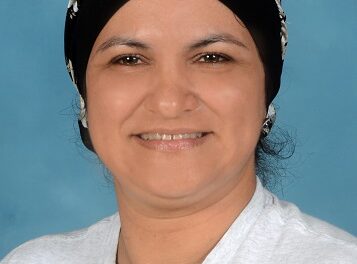
Dr. Saima Chaudhry is Vice President, Academic Affairs; Chief Academic Officer and Designated Institutional Official, Memorial Healthcare System.