
By Vanessa Orr
In the past few years, private equity acquisitions have increased in the healthcare space, resulting in concerning issues for both doctors and patients. According to a recent Wall Street Journal article, private equity firms have $2.4 trillion on hand to invest, and The Keckley Report notes that these firms have spent more than $1 trillion over the past 10 years in healthcare acquisitions alone.

Kyla Murphy
“COVID-19 played a big role in this trend because it exposed a vulnerable side of the U.S. healthcare system by creating challenges that the system was not ready for,” explained Kyla Murphy, Professional Liability Advisor, National Healthcare Practice with Risk Strategies. “Physicians became bogged down with patient visits, paperwork, staff shortages, and increasing costs and compliance issues that made it hard to run a practice and as a result, increased physician burnout. Private equity firms came in promising to provide administrative, financial, and clinical support, though their main goal was to buy, improve, and resell these practices to larger firms.”
To this end, private equity firms work to cut costs and produce revenue quickly, with the result of putting patient care and quality in jeopardy. This can include using lower-quality products, hiring less expensive employees, firing more experienced employees, limiting practice hours, and pressuring clinicians into providing unnecessary care and procedures in an effort to increase the bottom line.
“This is a conflict for clinicians; their oath and everything they do is about caring for patients and ensuring that they are receiving appropriate care,” said Tom Murphy, SVP National Healthcare Practice, Risk Strategies. “Cutting corners to streamline costs can negatively affect proper care, and doctors don’t like ordering unnecessary tests as they not only don’t benefit patients but can actually harm them.”
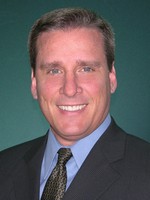
Tom Murphy
Private equity firms will argue that there is no conflict of interest when they purchase a healthcare company because since they are making an investment, they have a vested interest in making sure that it performs properly. However, having physicians order unnecessary tests to get bigger reimbursements or buying up all the medical practices in one territory so that healthcare companies are forced to negotiate with a monopoly can cause major issues for patients and doctors alike.
“There is also a large concern about how this may damage physicians’ reputations and the future lawsuits and claims that could result,” says Kyla Murphy. “What physicians need to realize is that their reputations are their most prized possessions.”
These same firms have also become interested in specialty groups, including orthopedists, primary care physicians, gastroenterologists, radiologists, and anesthesiologists, and as a result, the Federal Trade Commission (FTC) has begun investigating this monopolization of the industry. On March 5, 2024, the FTC, Department of Justice (DOJ), and Department of Health & Human Services (HSS) launched a joint investigation into healthcare acquisitions by private equity firms.
“Personally, I think it will slow down some private equity purchases, though no one really knows what the total effect will be,” said Tom Murphy.
While there may be some negatives concerning these private equity acquisitions, there is the opportunity for them to make positive changes to the system—such as streamlining care in such a way that it could save money for Medicare and Medicaid—if they do things the right way.
Private equity is not just about saving money. These firms typically spend large sums of money and inject large amounts of capital in order to grow the practice/business and increase profitability over time.
“Doctors are finding that running a practice is increasingly stressful and exhausting with all the costs and compliance issues they must follow while at the same time trying to treat patients, and federal government insertion into that has made it worse,” said Tom Murphy.
“Private equity has seized upon this and comes in to streamline things to make running a practice more cost-effective,” he continues. “The key is whether it will harm patient care. Only time will tell.”
For more information, contact Kyla Murphy at Kyla.murphy@risk-strategies.com or Tom Murphy at tmurphy@risk-strategies.com or call 800-966-2120.