

By Daniel Casciato
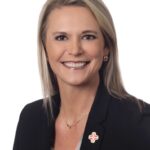
In the complex and fast-evolving world of healthcare, the role of accounting professionals has never been more critical. South Florida-based CPA Marc Egort has built a reputation as a trusted advisor who helps healthcare providers navigate regulatory shifts, reimbursement challenges, and evolving financial strategies.
As the founder of a boutique CPA firm, Egort has combined his technical expertise with deep industry insight to help clients better understand their data and make more informed decisions.
A Career That Grew with the Industry
“What drew me was kind of by accident,” Egort says. “My first job out of college was with a Medicare-certified home health agency.”
That early experience, combined with mentorship from a CPA specializing in Medicare-related consulting, set the foundation for Egort’s healthcare-focused practice. Originally intending to work solely as a consultant, he soon found himself expanding into tax, bookkeeping, mergers, and business advisory work—all within the healthcare space.
Over the last two decades, he has watched the definition of healthcare expand dramatically.
“There are wellness clinics now, chiropractic clinics, pain management, and substance abuse centers. The scope of what’s considered healthcare has increased over the last 25 years.”
Understanding Reimbursement and Margin Pressure
Unlike many industries, healthcare providers often operate in a reimbursement-driven model. This creates unique financial pressures, especially as payers continue to tighten margins.
“Their biggest challenge is squeezing as much service from a reimbursement rate that is continuously stressed,” Egort explains.
With contracts, regulations, and payment structures often out of their control, practices must learn to manage their resources with razor-sharp precision.
Strategy in a Shifting Regulatory Landscape
Regulatory updates around Medicare reimbursements, telehealth billing, and value-based care can dramatically impact a provider’s bottom line. Egort says it’s all about identifying revenue opportunities and understanding the true cost of acquiring and managing patients.
“There’s now movement toward contemplating the cost of acquiring that patient. Healthcare business owners have been motivated to take a deeper dive into more granular information about what drives their revenues and how to manage the cost of that service without compromising the quality of care.”
The Hidden Risks of Non-Compliance
For smaller providers, the most common compliance issues come down to timing, documentation, and oversight.
“Oftentimes providers are penalized for late billing or incomplete billing,” Egort says. “They may not have the budget for quality assurance or someone who can provide oversight into billing practices.”
Financially, many also underestimate the full cost of delivering care—overhead, administration, and marketing all contribute.
“It’s understanding that every cost that’s incurred has some investment value to the practice,” he explains. “Is this expense helping me generate revenue or helping me efficiently deliver care?”
Helping Clients Shift Their Mindset
Rather than simply onboarding new providers, Egort often steps in once a practice recognizes the limits of its financial understanding.
“I usually step in the picture once they understand they have financial data that’s not organized in a way that’s helpful to them,” he says. His role is to help transform providers into business owners with a strong grasp of deadlines, compliance, and actionable data.
“With business ownership comes certain tenets of responsibility. There’s a thought process that dramatically changes their perspective on what their responsibilities are.”
Preparing for Private Equity
Egort is especially attuned to the role accounting professionals play in preparing practices for acquisition. As private equity (PE) firms increasingly invest in healthcare, providers must be ready.
“There’s no more important resource for a healthcare provider or practice than their accountant for this role,” he says. Egort ensures his clients understand industry-standard financial reporting—accrual basis accounting, cost per patient analysis, and overhead metrics.
“PE firms are all about profit. If you’re not prepared, a potential acquirer ends up making choices for you. You want to be in a strong position to understand the value of your organization.”
Strategic Financial Advice for Healthcare Leaders
When asked what advice he gives healthcare executives and practice managers, Egort emphasizes the importance of viewing your accountant as a strategic partner, not just a cost.
“If you’re going to view your accounting professional as a cost to your business, I think you’re missing a great opportunity,” he says. “You’re not going to allow yourself the full benefit of the value that your accounting professional can bring.”
He encourages leaders to work with consultants who understand healthcare-specific metrics, revenue cycles, and compliance demands.
“We don’t ask enough questions that change behavior. We don’t ask enough questions that give us a better understanding of not only how we got here, but where we’re trying to get to.”
A Forward-Thinking Approach
With a background in both core accounting services and emerging sectors, Egort brings a future-focused perspective to his healthcare work. Whether preparing a practice for acquisition, advising on operational efficiencies, or demystifying complex financial reports, Egort remains a trusted partner for healthcare leaders looking to strengthen their financial strategies and build long-term success.
For more information, visit egortcpa.com.