By Eduardo Zamora, MD
Alzheimer’s disease is the most common cause of dementia worldwide. As people live longer, the prevalence of this disease is increasing rapidly. In the U.S., an estimated 7.2 million Americans aged 65 and older are currently living with Alzheimer’s disease.
In Alzheimer’s disease, the brain undergoes several changes. Beta-amyloid proteins accumulate extracellularly, disrupting communication and promoting neurodegeneration. Meanwhile, tau proteins deposit intracellularly, forming tangles that interfere with the cell’s transport system. These processes lead to inflammation, synapse loss and neuronal death. The disease typically begins in the hippocampus, essential for memory formation, and gradually spreads to other brain regions.
Diagnosis of Alzheimer’s has improved significantly in recent years. Traditionally, it relied on clinical assessments and excluding other conditions. Today, clinicians use cognitive testing along with neuroimaging techniques like Ultra-High-Field MRI or PET scans to observe brain changes. Cerebrospinal fluid tests that measure amyloid and tau protein levels, along with newer blood-based biomarkers, are now accessible diagnostic tools. These advancements have made early detection more accurate and less invasive.
Early diagnosis of Alzheimer’s is crucial. It enables timely initiation of treatment, protection of healthy neurons, participation in clinical trials, planning for future care, and implementation of new therapies and lifestyle changes that may help slow disease progression. It also allows families to access support services and prepare for caregiving challenges.
Treatment for Alzheimer’s has evolved significantly. Older medications such as cholinesterase inhibitors—donepezil, rivastigmine, and galantamine—and the NMDA receptor antagonist memantine help manage symptoms by enhancing neurotransmitter function and slowing cognitive decline. However, these drugs do not modify the underlying disease. More recently, monoclonal antibodies such as lecanemab and donanemab, which target beta-amyloid plaques, have shown the ability to slow cognitive decline in early stages of Alzheimer’s disease.
The Phil Smith Neuroscience Institute at Holy Cross Health in Fort Lauderdale offers one of the most advanced programs for early diagnosis, treatment and comprehensive care of patients with Alzheimer’s disease and related dementias. Utilizing state-of-the-art 3T MRI, neurocognitive testing and access to novel blood-based biomarkers, the Institute provides outstanding technology and expert care for diagnosing and treating this condition.
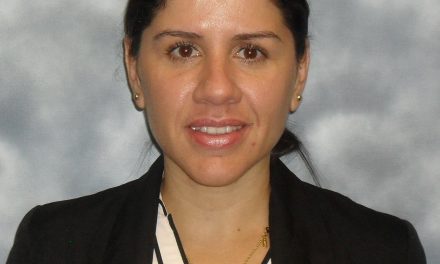
As a board-certified neurologist who conducted research on an experimental Alzheimer’s vaccine model awarded at Johns Hopkins Medical Institutions, I bring both scientific expertise and extensive clinical experience to patient care. My colleague, Dr. Michelle Ferreira, is a board-certified neurologist with deep expertise in Geriatric Neurology, including cognitive disorders. Dr. Ferreira received her medical degree from Nova Southeastern University. She completed her Neurology residency at the University of Miami and her Movement Disorders Fellowship at Cleveland Clinic Florida.
As a leading neuroscience center in South Florida, the Phil Smith Institute is committed to advancing brain health through excellence in medical care, research and compassionate support for patients and their families.
Learn more at HolyCrossNeuro.com.
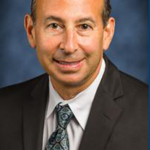
Dr. Eduardo Zamora is a Neurologist at Holy Cross Medical Group.