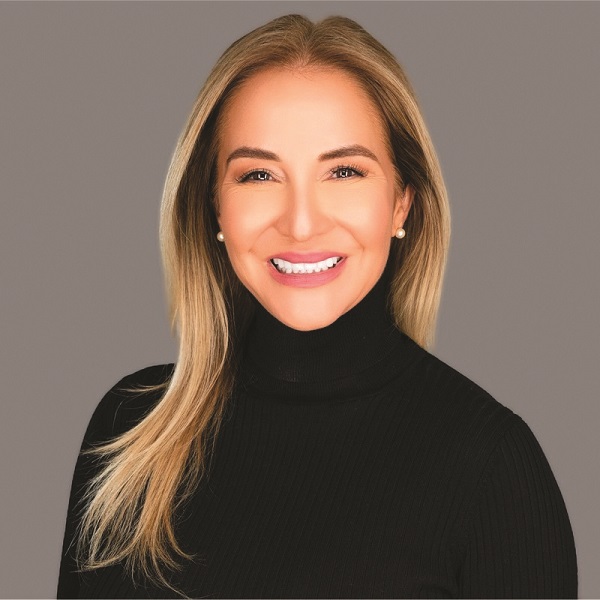


By Daniel Casciato
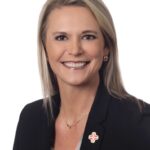
On Saturday, June 1st, 2024, Dr. Patricia Ares-Romero will become the sixth female president of the Dade County Medical Association, since 1903, the year of its foundation.
South Florida Hospital News & Healthcare Report conversed with Dr. Ares-Romero on her goals and challenges as she gets started in a new leadership role.
Dr. Ares-Romero, congratulations on your new role as the President of the Dade County Medical Association. Can you tell us about your goals for your term as president during 2024-2025?
Thank you so much. As a psychiatrist by training, one of my primary goals is to address mental health concerns, both within our community and among healthcare providers. The burnout and stress levels among physicians have increased significantly, especially after COVID-19. We need to create a supportive environment where discussing mental health issues is normalized and not stigmatized.
Another key priority is advocating against the cumbersome process of prior authorizations. This often results in unnecessary delays in patient care due to a lack of transparency and timely communication from insurance companies. I aim to push for legislative changes that would streamline this process and ensure that denials are handled promptly and fairly, allowing us to have meaningful discussions with peers in the same specialty.
What specific initiatives or projects do you plan to prioritize, and how do you foresee these impacting the association and the broader medical community?
I am dedicated to making the DCMA more accessible and supportive for our medical community. One major initiative is increasing advocacy for physicians’ rights and the quality of patient care. We’ve seen how the corporate state of medicine has eroded our ability to make autonomous decisions, unlike other professions where only practitioners can own practices. I want to give physicians their voice back and help them regain control over their practices to ensure better patient care.
We will also focus on enhancing the value of DCMA membership. This includes providing more robust support for self-employed physicians and those employed by hospitals or clinics who might not see the immediate benefits of membership. We plan to revamp our educational offerings, including seminars on contracts and practice management, and enhance our podcast to make it a valuable resource for our members.
What are some of the biggest challenges facing the DCMA today, and how do you plan to address them?
One of our biggest challenges is membership retention and growth. Physicians often question the tangible benefits of joining the DCMA, especially those employed by larger institutions who might feel they already have sufficient support. To address this, we will emphasize the unique advantages we offer, such as advocacy on critical issues, educational resources, and networking opportunities. We aim to show how being part of the DCMA can enhance their professional lives and contribute to better patient outcomes.
We also need to tackle the bureaucratic hurdles that hinder our practice, like the outdated workman’s compensation rates and the financial constraints on physicians accepting Medicaid. These are issues that require strong legislative advocacy, which I am committed to pursuing.
Can you share some insights into your professional journey that led you to this leadership position?
I am double-boarded in psychiatry, preventive medicine, and addiction. Over my 20 years of practice, I have been part of the University of Miami, moved into private practice, and then returned to Jackson Health System, where I served as medical director and later as chief medical officer. These roles highlighted the importance of physician-led leadership and sparked my interest in advocacy.
My involvement with the DCMA began as a resident in 1999. After returning to Jackson Health, I realized the broader impact I could have through leadership and advocacy. This led me to engage more deeply with the DCMA, including trips to Tallahassee to advocate for our profession.
How else do you plan to advocate for policies that affect medical professionals and healthcare in Miami-Dade County?
We have an annual meeting where we focus on bills to present to our legislators. Last year, we worked on a bill to give Medicare rates to Medicaid patients, and we are looking to expand that initiative this year. Many good physicians are opting out of Medicaid due to financial constraints, which impacts our most vulnerable patients. Similarly, we are pushing for updates to the workman’s compensation rates, which haven’t changed in about 20 years. These changes are crucial for ensuring that our first responders and other workers receive timely and adequate care.
What motivates you personally to take on this challenging role at this point in your career?
My motivation comes from a passion for teaching and supporting the next generation of physicians. I frequently train residents and speak to medical students, and I want to create a healthcare environment where they can thrive without being bogged down by bureaucracy. It’s essential for us to focus on providing excellent patient care and not let administrative burdens diminish our passion for medicine. I love what I do, and I want other physicians to feel the same fulfillment in their careers.
Thank you for sharing your vision and goals with us. Are there any final thoughts you would like to share?
I want to extend my deepest gratitude to the DCMA for this incredible opportunity. I also would like to thank our immediate past president, Dr. Carmel Barrau, for his outstanding leadership, and all former presidents whose legacy I am honored to continue.
For more information about how to support the Dade County Medical Association and become a member, visit www.miamimed.com.