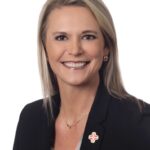
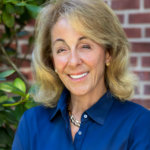
History was made in November for the Broward County Medical Association (BCMA) and its sister organization, the Broward County Medical Association Alliance. Dr. Octavio “Tony” Prieto was installed as the first Cuban-American president of the BCMA at its 82nd Presidential Inauguration and Dinner. His wife, Lynne, was installed as the president of the Alliance. This is the first time that two spouses have shared the honor of being president of these respective organizations at the same time.
“I’m looking forward to it,” says Lynne, who works in her husband’s office as his office administrator. “It just happened to work out that this is a first-time husband/wife team. I think it’s great.”
Dr. Prieto concurs. “It’s a good thing. Lynne’s very personable and I think she’ll be a wonderful leader for the Alliance.”
While the BCMA works with and represents physicians of Broward County, the Alliance, a 501 c3 organization, is comprised of the spouses of the members. With over 180 members, the Alliance is the largest of all the medical association’s alliances in the state. One of Lynne’s goals during her one-year term as president is to become more involved with local charities and help raise more money.
“I want to make sure that we do enough fundraising to put money back into our foundation so we can give more money out,” says Lynne, who has been a member of the Alliance for 4 years.
Last year, the Alliance gave $500 checks to 14 different non-profit groups in the area.
“Each year, we select charities in need that we raise money for,” explains Lynne. “As a member of the Alliance, you are encouraged to pick an organization that you like and are medically-related. For instance, last year we selected the American Lung Association, Children’s Diagnostic Treatment Center, Healthy Mothers, Healthy Babies of Broward County, and the Broward Partnership for the Homeless, to name a few.”
Additionally, Lynne would like to focus more on membership during her tenure.
“We want to get more of the spouses involved with the Alliance,” she says.
Dr. Prieto, 61, has similar goals for the BCMA. The Havana, Cuban-born physician, who has been a member of the organization for 28 years, is frustrated by his fellow doctors complaining all the time and unwilling to do anything to help make change.
“Things are bad in medicine. There are a lot of problems,” he says. “But just sitting here and griping about it is not the way to go. Doctors need to get more involved. I hear doctors complaining but I don’t see them at the BCMA meetings and I don’t see them getting involved.”
Dr. Prieto believes that if more physicians unite, they may be able to accomplish more.
“We’re going to try to be a team and try to improve our medical association’s goals together,” he says. “My encouragement to all physicians is for them to attend meetings and bring their ideas. If we can unite as many doctors as we can, we can improve our business.”
For instance, Dr. Prieto wants to sit down with various insurance companies during the year to talk about reimbursement issues.
“Doctors need to get paid for their services,” he says. “Sometimes you get paid so little that sometimes you cant perform certain tasks or tests because you lose money.”
One example that Dr. Prieto cites is that often primary care physicians, like himself, cannot afford to do CAT scans.
“Between the maintenance of the machine and a service technician, some physicians can’t afford to do CAT scans anymore,” he says. “Oftentimes, they have to refer the patient to a large medical center to do this. As a result, it takes longer to get the CAT scan done. This is a problem in today’s medical care. When you dont get compensated by the insurance companies for work like this, and it costs you money to provide a service, physicians will just stop offering that service.”
Another concern of Dr. Prieto’s is that there are fewer students interested in going to medical school.
“As a family practitioner, I can tell you students don’t want to study medicine as much anymore, and if they do, they really don’t want to be a primary care doctor,” he says. “We’re losing ground and we need to do something to fix it. The old Marcus Welby, M.D. perception is not there anymore.”
But he remains optimistic.
“Being a physician is a rewarding career,” he says. “Primary care, especially, is one of the most rewarding careers you can have. Look around my office. I have over 26,000 charts here. These people are not only my patients, but my friends as well. That’s what happens in primary care. You get to know people and their families. It’s amazing how many lives you can touch in this career.”