



By Daniel Casciato
When considering climate change and the resultant disasters that arise, we often think about the challenges it poses to our natural environment. Yet, there’s a pressing need to focus on specific groups of people, such as medically vulnerable patients, and the health institutions designed to care for them.
Leading researchers in this field, Dr. Zelde Espinel and Dr. Tracy Crane, shed light on the critical role cancer centers play in climate disaster preparedness and the subsequent safety of their patients.
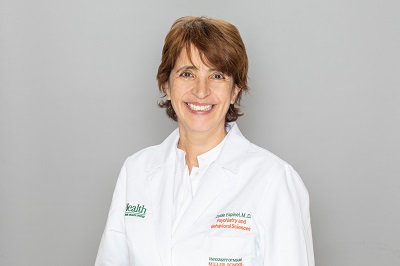
Dr. Zelde Espinel
In a commentary in the Journal of the National Cancer Institute (NCI), the researchers noted that one or more climate-related disasters have impacted 71 NCI-designated cancer centers during the past decade.
Dr. Espinel, a clinician and researcher at the Sylvester Comprehensive Cancer Center at the University of Miami Miller School of Medicine, and lead author of the paper, highlights the initial spark for their research.
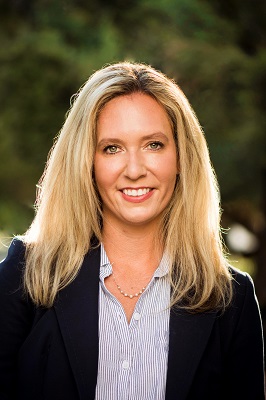
Dr. Tracy Crane
”Multiple studies on protecting medically vulnerable patient populations in climate disasters,” she explains. “As a psycho-oncologist here at Sylvester, I am particularly interested in safeguarding patients with cancer. High-risk medical patients are often left to fend for themselves when disaster strikes. We need the healthcare system to step in and assist their patients because they have special needs. The NCI and the Sylvester Comprehensive Cancer Center could serve as an ideal conduit for providing cancer-specific disaster preparedness information.”
Dr. Crane, co-lead of Cancer Control and director of Lifestyle Medicine, Prevention and Digital Health at Sylvester, and one of the paper’s authors, further elaborates on the distinction and significance of such centers, stating, “The difference between community-based cancer centers and National Cancer Institute-designated cancer centers is that often they’re better resourced. Community-based clinics often turn to NCI-designated cancer centers to identify the evidence base and what guidelines should be followed because these are the cancer centers designated by the NCI.”
In their analysis, it was observed that the preparedness levels vary greatly across centers. Dr. Espinel points out, “Currently, there’s no mandate for cancer centers to focus on disaster preparedness on their website. Therefore, the responses were few when searching terms like disaster or disaster preparedness.”
This sentiment was echoed by Dr. Crane, “It’s because there is no mandate. While I believe most cancer centers think this is important, because there are no guidelines, the special, nuanced needs of cancer patients are not readily recognized or addressed.”
For the analysis, the researchers conducted an extensive audit of the centers’ websites to identify and categorize current preparedness information, guidance, and practices. Their review revealed some glaring information gaps and deficiencies, including:
- Only half of the centers posted preparedness information specifically for cancer patients.
- Less than 25% contained emergency information for climate disasters, despite their increasing frequency and severity.
- Less than 10% of centers provided cancer-specific emergency preparedness material related to climate-driven disasters.
- Only one center’s website included information on maintaining psychological health and well-being during climate disasters.
Dr. Espinel highlights the specific vulnerabilities of cancer patients during such climate catastrophes: “Cancer patients are disproportionately sensitive to heat exposure. Climate disasters disrupt medical infrastructure, power, water sources, supply chains, and transportation. Moreover, these patients often rely heavily on support from family and friends, and climate disasters can disrupt these essential social support networks.”
The concept of “climate-proofing” has been floated as a potential solution. Dr. Espinel describes this process: “It involves a multifaceted approach that combines emergency preparedness planning, information dissemination, collaboration, and adaptation.” Dr. Crane emphasizes the importance of awareness and accessibility to these resources for patients and providers.
Structured information sharing among cancer centers is another step toward enhancing preparedness. Dr. Crane speaks of the NCI’s outreach efforts to community-based hospitals, suggesting that this can serve as a conduit for disseminating crucial information. Dr. Espinel adds that cancer center websites can serve as platforms for real-time sharing of disaster preparedness information, including lessons learned and best practices.
On involving patients, caregivers, and the community, Dr. Espinel believes that cancer centers are the ideal juncture where all these individuals converge. They are developing a toolkit to educate all these stakeholders on disaster preparedness.
Many centers already have CMS-compliant emergency-preparedness plans that should be evaluated and revised, as needed, to protect medically vulnerable populations during climate disasters better.
Moreover, the centers can build on existing resources for centralized information sharing, such as the NCI’s “Emergency Resources for the Cancer Community,” ACS’s “Guide to Getting Ready for a Natural Disaster” and the Department of Health and Human Services’ website with hazard-specific content for actions before, during and after disasters. Other federal and local resources are readily available and should be utilized appropriately.
The researchers also recommended structured information sharing among cancer centers to share lessons learned from previous climate disasters and coordinated research efforts that promote collaboration in evidence-gathering, data analysis, implementation strategies and communication methods that can result in best practices.
In closing, Dr. Crane points out that no region is truly safe from the potential impacts of climate change, indicating the widespread nature of this issue.
‘What hits home is that there is no single cancer center not at risk,” she says. “Hurricanes and other disasters are a real possibility every year. It’s not only coastal areas that are at risk. These risks for disasters to impact cancer centers are everywhere across the United States.”
For more information, visit miami.edu.























