

By Lois Thomson
Case managers are responsible for handling a variety of issues in a variety of areas, but Claudia Dehaut sums it up by saying, “We’re trying to coordinate care and help our patients the best we can.” Dehaut, R.N., is a case manager at Memorial Primary Care in the Memorial Healthcare System, and she expanded by saying that when she goes to work each day, she looks forward to “coordinating and providing care for my patients. In that care I like to include safe, timely, effective, efficient, and client-centered care that can involve not only my patients, but also their families, their caretakers, their loved ones; so it’s the patient as a whole.”
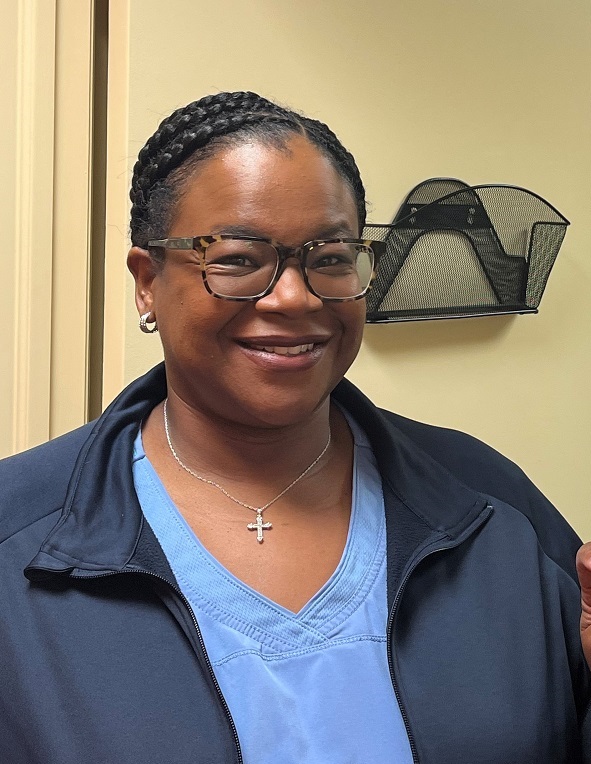
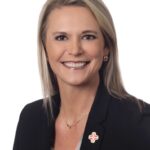
Claudia Dehaut,R.N.
That care can extend to such services as creating plans to help with nutrition or controlling blood pressure, to assisting someone who is in a situation where they don’t feel safe.
In primary care, Dehaut works with patients age 18 and older, although she said most are geriatric. “I deal with a lot of patients with Medicare, Medicaid, low income, chronic conditions such as hypertension, diabetes, patients who have issues socially, or psychologically. Primary care does have a wide range of patients and illnesses that the doctors deal with.”
Dehaut started her nursing career as an LPN in 1995. “Growing up, I was surrounded by a lot of family and friends who were in health care, and listening to them discuss different aspects of care, I began to love the fact that I could help people in any way. I got my bachelors in 1999; since then I’ve been an R.N., and now I’m a case manager.”
To further assist their case managers, Memorial has added an innovation to each patient’s electronic medical records that accounts for social determinants of health (SDoH): economic and social conditions that influence individual and group differences and health status. “Everything about the patient affects the patient’s care – medical factors, non-medical, safe housing, non-violent situations, access to food, access to physical activity, language, literacy support, providing additional support when it’s needed.” Dehaut reviews the social aspects, asking patients if they socialize on a daily basis: how so, do you use a telephone, do you meet with family and friends, do you belong to any groups, do you engage in physical activity, is it hard to pay rent, are you able to get to a doctor’s appointment. She can then gather information to connect them to resources. “We definitely use SDoH to assist patients with resources they need.”
Dehaut focuses her work on primary care, but case managers perform in other areas as well. Michelle Martinez, R.N., B.S.N., works with cancer patients at Memorial Cancer Institute. Her title is patient and family nurse navigator, but her responsibilities are much the same as Dehaut’s – providing support for patients. Martinez said she reviews the patients’ information and assists them with collecting necessary records or material. “Usually in the first interaction I start to evaluate if there are any barriers to care – which could be transportation or financial difficulties – so we can start the process of getting the patient that kind of help.
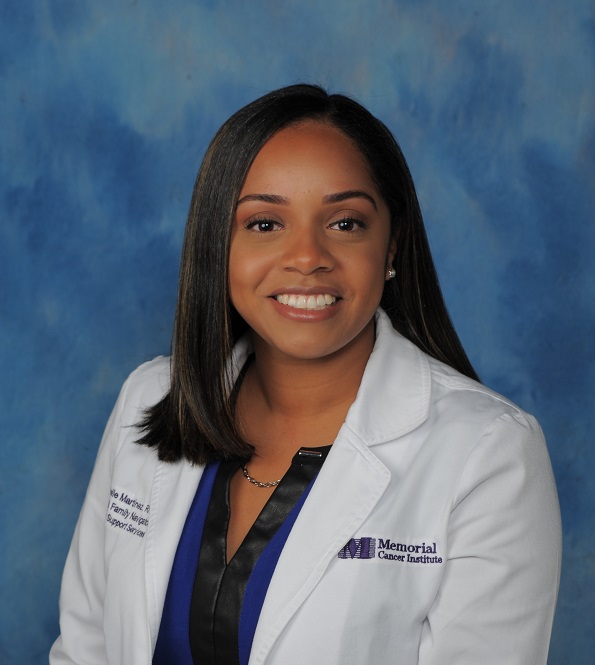
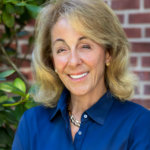
Michelle Martinez, R.N., B.S.N.,
“At the cancer center,” she continued, “we offer an abundance of different support services; some of those would be nutrition, psychologists on staff, an integrative medicine department, as well as social workers, pain management, spiritual care. There are a lot of different resources that are available to the patient.”
Martinez began her nursing career nearly seven years ago at Memorial Regional Hospital as a floor nurse in the oncology unit, but was looking for a change and found the navigation position on the company website. “I did not know what a navigator was, but I did research and liked what I saw. I am still able to work with oncology patients and provide them a type of support, while still using my knowledge and experience that I gained on the floor.”
Martinez works in the cancer center but pointed out, “There are thirteen navigators within the center and we are each divided within specific cancer diagnosis. I’m currently working with hematologic malignancy, so that could be patients with lymphoma, leukemia, multiple myelomas, any blood-related disorders, or those who are in need of bone marrow or stem cell transplants.”
She said the navigation position has grown tremendously since she has been working in it the past three years. She now sees navigator roles in labor and delivery, cardiology, and neurology, among others, and believes it makes the hospital better. “It can help reduce the risk of other things developing, or help decrease visits to the emergency room by assisting the patient – advising them that they have the full support of professionals within our department.”
For more information, call (954) 987-2000 or visit www.mhs.net.