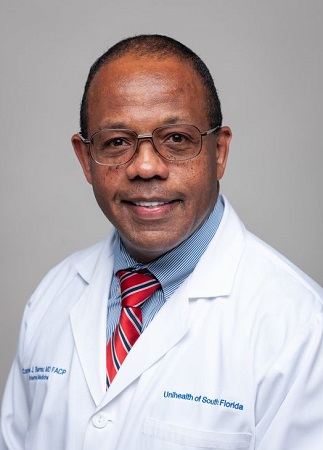


By Carmel J. Barrau, MD
As the world grappled with the challenges posed by the COVID-19 pandemic, Miami-Dade County stood as a microcosm of the complexities and lessons intertwined within the global crisis. The resurgence of cases in our cities serves as a reminder of the lessons gleaned.
Among these lessons is the significance of public health infrastructure. The pandemic underscored the critical importance of a robust healthcare system capable of swift and effective responses to unforeseen health crises. Building and sustaining this infrastructure involves not only bolstering medical resources but also investing in research, preparedness, and ensuring equitable access to healthcare services for all communities, regardless of socioeconomic status.
Another crucial lesson revolves around the importance of science-driven decision-making. Throughout the pandemic, scientific understanding continually evolved, guiding policymakers and the public through a maze of uncertainties. Embracing and heeding the advice of public health experts and scientists remains pivotal, emphasizing the need to communicate accurate information transparently and effectively. From mask mandates to vaccination campaigns, aligning with scientific consensus proved indispensable in curbing the spread of the virus.
Community resilience emerged as perhaps the most relevant lesson amid adversity. Miami-Dade demonstrated remarkable solidarity and adaptability in navigating the challenges posed by the pandemic. From frontline workers risking their lives to essential businesses adjusting their operations, the strength of our community shone through. This resilience showed our ability to unite in the face of adversity and reinforce the importance of supporting one another during crises.
Furthermore, COVID-19 shed light on the disparities deeply entrenched within our communities. Vulnerable populations, including low-income communities and minorities, bore the brunt of the pandemic’s impact. Addressing these disparities demands a concerted effort to bridge the gaps in access to healthcare, education, and resources. Building a more equitable society requires proactive measures to ensure no one is left behind during times of crisis.
The pandemic also emphasized the significance of global cooperation in combating infectious diseases. Viruses know no borders, and international collaboration is essential in addressing future health threats. Miami-Dade’s interconnectedness with the world highlights the need for solidarity in sharing resources, knowledge, and expertise to mitigate the spread of diseases across continents.
As we confront the resurgence of COVID-19 cases in Florida, these lessons serve as guiding principles. We must fortify our healthcare systems, remain steadfast in following science-based guidance, foster community resilience, address societal disparities, and reinforce global cooperation. Vaccination, alongside continued adherence to preventive measures, remains our most potent tool in combating the virus and safeguarding our communities.
In conclusion, the pandemic has been a harrowing chapter in our collective history. However, the lessons learned provide an invaluable roadmap for navigating the challenges ahead. By applying these lessons, Miami-Dade can stand resilient and united in facing the resurgence of COVID-19, ensuring a healthier and more secure future for all its residents.
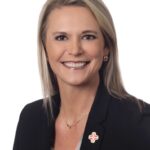
Dr. Carmel Barrau is President, Dade County Medical Association, Inc.