The University of Miami School of Nursing and Health Studies has made extraordinary strides in research, patient care and nursing education since its beginning 65 years ago.
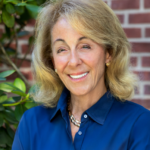
Dean Nilda (Nena) Peragallo Montano, now entering her tenth year at the helm, has helped transform a small school into a world-class institution through her energy, perseverance and visionary dedication to nursing education and nursing science.
When Peragallo Montano arrived at the University of Miami in 2003, the school was housed in an older building on the edge of campus. It had low student enrollment, and was not well known within the local South Florida community, let alone nationally or internationally. There was no research portfolio.
Over the past ten years, the student population has increased by nearly 150 percent and now encompasses 850 students enrolled in undergraduate and graduate programs. Among schools of nursing, it ranks among the top 25 in the nation and second in Florida for National Institutes of Health (NIH) funding. Two major initiatives have put the school on the international map – its designation as one of only 10 nursing schools in the nation as a Pan American Health Organization/World Health Organization-designated Collaborating Centre, and its NIH/National Institute on Minority Health and Health Disparities (NIMHD)-funded Center of Excellence for Health Disparities Research: El Centro, which Dean Peragallo Montano originally established in 2007.
“There is nothing I have accomplished without the excellent support of the university, our president Donna Shalala, and the people who surround me,” says Peragallo Montano. “This journey has been undertaken with the faculty and our students. Without them, we could not have gotten where we are now.”
Peragallo Montano came to the U.S. from Chile in 1976 with a Bachelor of Science in Nursing degree. She decided to continue her education, earning graduate degrees focused on research. After her children were grown and away at college, she was awarded a prestigious two-year Robert Wood Johnson Foundation post-doctoral fellowship.
“I have always been interested in working with and studying the Latino population wherever I’ve been,” she says. “At the University of Pennsylvania in the early 90s, I started looking at statistics on HIV/AIDS and saw that the numbers of infected individuals was growing among the Latino population and especially women. Nothing was being done and that fueled my interest in HIV/AIDS and Latinos.”
El Centro was born out of Peragallo Montano’s background as an HIV/AIDS researcher. She and her team of scientists conduct research on the development, testing and dissemination of culturally tailored interventions to improve the health of groups disproportionately affected by various conditions such as HIV/AIDS, substance abuse, sexually transmitted infections, violence, and related mental and physical disorders.
As a visionary leader, Peragallo Montano believes it is important to “think big” without restrictions and have a passion for your work.
“You need to be able to convince and motivate others to do things you are proposing,” she said. “I have been a nurse and a researcher. If you are going to talk the talk, you have to walk the walk.”
Over the last decade, Peragallo Montano, together with the school’s curriculum committee, brought the school’s degree offerings in line with the changing health care needs of the nation, and she foresees increasing expansion in the school’s programs. “We have added a Bachelor of Science in Public Health and a Bachelor of Science in Health Science degrees. We have expanded our master’s programs in Advanced Practice Acute Care and Primary Care and our Family Nurse Practitioner program. We also offer, at the doctoral level, one of the most established PhD programs in the country as well as the Doctor of Nursing Practice (DNP) degree in either the post- master’s (executive style) or the new BSN to DNP Nurse Anesthesia (CRNA) track. We continue to grow our tremendously successful 12-month Accelerated Bachelor of Science in Nursing degree program for students who already have a bachelor’s degree in another field. We started that program with 30 students, and are now admitting 140. It’s a rigorous program which turns out well-prepared and successful nursing professionals.”
Today, Peragallo Montano is pursuing a new dream – building a $16 million five-story, state-of-the-art Simulation Hospital that will be the region’s premier center for simulation immersion. She sees the school as a pioneer and leader in simulation, the gold-standard for nursing and healthcare education of the future – and visualizes the planned Simulation Hospital as a community and global resource for team training and interprofessional education.
As the Affordable Care Act moves forward, she believes the school’s curriculum and preparation of students must be ready to demonstrate the value of nursing in this new environment. “It is going to be a great way to showcase the role and value of our healthcare providers,” she said.
Peragallo Montano envisions the school as a research leader with a very forward-thinking and modern curriculum in tune with the 21st century healthcare system. “We have to be attentive to change – we cannot be static,” she said. “I really want us to be the trailblazers for health care education, science and patient care. We will come up with new models for health care delivery.”