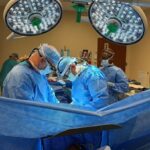
The most significant innovation in surgical oncology over the past few years has been the introduction and use of robotic assisted surgery for the management of inter-abdominal cancers in excessing sections of the pancreas, liver and colon. In the past, inter-abdominal cancers were managed with open techniques. Now, with robotic assisted surgical oncology, procedures are safer with a shorter hospital stay and less pain for the patient, thus resulting in a quicker return to normalcy of life. The use of robotic-assisted surgery has improved the ability for surgical oncologists to perform radical abdominal surgery with minimal trauma and scarring. Today, robotic assisted surgery has become a popular choice for surgeries in cavities from the mouth to the anus including tumors in the larynx, pharynx and rectum and has been used for years in gynecologic surgeries.
In terms of inter-abdominal cancer treatments, additional innovative tools available for the management of tumors includes microwave ablation of liver tumors and liver tumors which have spread to the colon. Another tool available to surgical oncologists in the fight against liver cancer is radio embolization therapy via interventional oncology. During radio embolization, microbeads loaded with radioactive isotopes aim and release small amounts of radiation to the tumor site over a several day period. Radio embolization is an option for patients who may not be candidates for surgery due to tumors which are too large for ablation. During radio embolization, the radioactive particles get infused into the liver via an arterial catheter.
Immunotherapy help the immune system destroy cancer cells. Treatments focused on immunotherapy are less radical than surgery for breast and other cancers. Often patients are treated with chemotherapy and immunotherapy prior to a decision being made to have surgery. These options can result in breast cancer surgery without mutilating or removing the breast.
For young women with breast cancer, the availability of bi-lateral mastectomies has improved particularly in the techniques used in reconstruction. Overall, these techniques focused on radiation treatments, cancer surgery, and improvement of medicine in immunotherapy can result in less surgery and complications, stop advancing tumors and help the patient return to their life experienced before developing a tumor.
Over the last several years, the surgical oncology care treating cancer, has improved in the management of advanced cancers. Robotic assisted surgery has been proven to work safer across the surgical landscape for many medical specialties. Introduction of the da Vinci Surgical System XI robot assisted surgery has led the way for surgical oncologists, OB-GYN’s in gynecological surgery and thoracic surgeons in the management of lung cancer.



.jpg) The most significant innovation in surgical oncology over the past few years has been the introduction and use of robotic assisted surgery for the management of inter-abdominal cancers in excessing sections of the pancreas, liver and colon. In the past, inter-abdominal cancers were managed with open techniques. Now, with robotic assisted surgical oncology, procedures are safer with a shorter hospital stay and less pain for the patient, thus resulting in a quicker return to normalcy of life. The use of robotic-assisted surgery has improved the ability for surgical oncologists to perform radical abdominal surgery with minimal trauma and scarring. Today, robotic assisted surgery has become a popular choice for surgeries in cavities from the mouth to the anus including tumors in the larynx, pharynx and rectum and has been used for years in gynecologic surgeries.
The most significant innovation in surgical oncology over the past few years has been the introduction and use of robotic assisted surgery for the management of inter-abdominal cancers in excessing sections of the pancreas, liver and colon. In the past, inter-abdominal cancers were managed with open techniques. Now, with robotic assisted surgical oncology, procedures are safer with a shorter hospital stay and less pain for the patient, thus resulting in a quicker return to normalcy of life. The use of robotic-assisted surgery has improved the ability for surgical oncologists to perform radical abdominal surgery with minimal trauma and scarring. Today, robotic assisted surgery has become a popular choice for surgeries in cavities from the mouth to the anus including tumors in the larynx, pharynx and rectum and has been used for years in gynecologic surgeries.