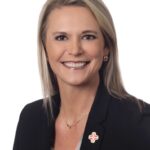
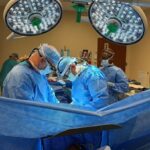
At a time when the nation is experiencing a growing physician shortage, Lakeside Medical Center, Palm Beach County’s only rural teaching hospital, celebrated the graduation of five residents from its Family Medicine Residency Program. Stephanie Dardanello, Hospital Administrator, welcomed the more than 130 attendees June 22nd at the Wanderers Club in Wellington, Florida. This is the sixth class of residents to graduate from the program, which was established at the acute-care facility in Belle Glade in 2011 and is one of the few of its kind to focus on the health care needs of rural, underserved areas.
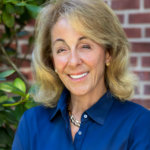
“Through your training, you’ve learned to identify the importance of improving health disparities and expanding access to care for all, including the most vulnerable,” said Darcy J. Davis, Chief Executive Officer of the Health Care District of Palm Beach County, in a video address played at the event. “You’ve embraced the Health Care District’s commitment to delivering high-quality care.”
The five graduates, Bralin Bean, DO, Roberteen H. McCray, DO, Stephen Perez, DO, Tyler Provost, DO and Elena Herschdorfer-Rodriguez, DO, completed a rigorous three-year curriculum that included rotations in emergency medicine, women’s health care, pediatrics, psychiatry, general surgery, internal medicine, community and sports medicine, cardiology, dermatology, women’s health, radiology, orthopedics, ENT, urology, ophthalmology and critical care. Lakeside Medical Center, which is accredited by The Joint Commission and owned and operated by the Health Care District, is the program’s primary clinical training site.
“It is my hope you will always practice the art of compassion as physicians and that you be the very best you can be despite any challenges you may face along the way,” said Nikerson Geneve, DO, Lakeside Medical Center’s Family Medicine Residency Program Director and Director of Medical Education.
The graduation comes at a time when physicians are in great demand. Just this past April, the Association of American Medical Colleges published a report that shows by 2030 the U.S. could see a shortage of 120-thousand physicians and of that number, as many as 49-thousand are primary care doctors.