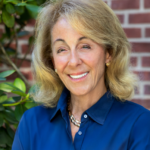
It was while completing a fellowship in advanced heart failure and transplant cardiology at the University of Washington Medical Center that Dr. Iani Patsias was first excited by the possibilities of artificial intelligence (AI). “Machines can process massive amounts of data, detect patterns, and assist with diagnosis and risk stratification within population health. We’re on the early side of determining all the applications for AI, but it will certainly stay at the forefront of how we learn more about cardiology.”
Dr. Patsias says machines can detect subtleties in EKGs that humans can’t, and its algorithms can detect an individual’s likelihood of developing advanced heart disease, to cite just one possibility. AI will also enhance the workflow process, fuel research, and lead to the development of new drugs and treatment alternatives.
“These machines will enhance what human physicians are able to accomplish, not replace them,” said Dr. Patsias.