Number of GME Programs, Residents to Double in 2019
The statistics in “Florida Health,” the state’s annual report on its physician workforce, are sobering: in 2017, more than 60% of Florida’s doctors were age 50 and older and 15% of those with active licenses planned to retire in the next five years. Within those numbers, the state has identified approximately 20 specialties it expects will have a shortage of practicing physicians.
 That’s why the third Friday in March is so important to Florida’s graduate medical education (GME) programs, including the one housed within Memorial Healthcare System in Pembroke Pines. “Match Day,” when the National Resident Matching Program connects doctors seeking residency opportunities with programs accredited to train them, is where the next generation of physicians receive real-world, medical experience. For South Florida, with its aging and growing population, this is especially critical, since doctors often end up practicing in the geographic area where they received training.
It was less than three years ago that Memorial received the go-ahead to move forward a GME program and become an academic medical center, and it’s been on the fast track ever since. By July, it will be accredited to teach seven specialties – Internal Medicine, Pediatrics, Physical Medicine and Rehabilitation, Podiatry, General Surgery, Neurology, and Psychiatry – and will have 80 residents training in its programs. An Anesthesia program will be added next year, with OB/GYN and Emergency Medicine likely to follow.
Not coincidentally, most of those specialties address areas where the State of Florida expects there to be a shortage of doctors.
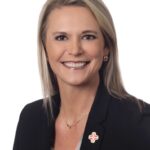
.jpg) “Most of the residents in our programs will still be practicing in 2050, so it’s critical they not only learn the clinical aspects of in-demand specialties, but are able to innovate their approach to the care they provide,” said Saima Chaudhry, M.D., vice president for academic affairs and chief academic officer at Memorial Healthcare System. “That includes focusing on safety, utilizing data, being transparent, cost conscious, and empathetic to the patient experience.”
“Most of the residents in our programs will still be practicing in 2050, so it’s critical they not only learn the clinical aspects of in-demand specialties, but are able to innovate their approach to the care they provide,” said Saima Chaudhry, M.D., vice president for academic affairs and chief academic officer at Memorial Healthcare System. “That includes focusing on safety, utilizing data, being transparent, cost conscious, and empathetic to the patient experience.”Dr. Chaudhry says she and her team are working with medical schools in Florida to identify those candidates interested in staying in-state and their strategic plan includes accreditation and training in additional specialties. As it is, Memorial GME is already one of the leading community-based programs in the state, with nearly all the larger teaching facilities connected to universities. It’s also somewhat unique in featuring cross-disciplinary training, which involves teaching those in different specialties together to provide the most well-rounded experience possible.
Florida has more than 50 hospitals involved in graduate medical education at some level, with all of them seeking the perfect match of candidates and programs. On March 15, the third Friday of the month, Memorial Healthcare System will be among those taking another step toward providing answers to Florida’s physician workforce problems.