By Sue MacDonald
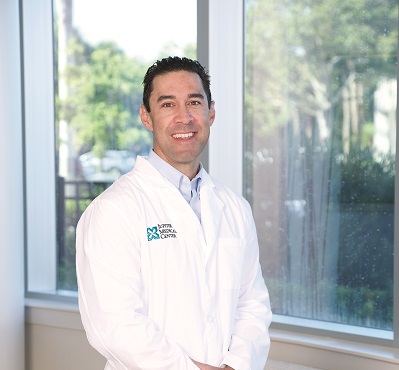
While medical treatments for specific cancers continue to evolve and improve, one medical tenet remains, says Dr. Michael Worley Jr., a women’s cancer specialist at Jupiter Medical Center’s Anderson Family Cancer Institute:
“All cancer care should always be multidisciplinary care.”
By its definition, multidisciplinary care involves a team of medical specialists and health professionals that surround patients and their families/caregivers with a variety of resources to help them cope with everything that cancer demands.
“Multidisciplinary care involves more than one cancer physician, and it means far more than the addition of another specialist or medical oncologist to the team,” explains Dr. Worley, who specializes in gynecological cancers.
“Other team members are involved in multidisciplinary care, and they typically include dietitians, geneticists, counselors and palliative care specialists who focus on relieving symptoms linked to the cancer, treatments or other physical challenges,” he says.
Wrap-around care for patients, families
Because a cancer diagnosis affects more than just the patient, social workers also help spouses, family members, partners, children and others deal with the emotional and physical challenges of caring for someone with cancer.
“The stress of a cancer diagnosis is felt by every single person connected to the patient, and families often require support and access to professionals who can provide it,” he points out. “Stress that goes unaddressed can compromise the patient’s care and impact patient outcomes.”
Social support can range from connections to home health care providers, services that deliver meals to the home meals or special communications outreach so that patients arrive regularly to their scheduled appointments, he notes.
Patients also might benefit from psychotherapy to understand and face the emotional challenges that accompany cancer, while families might benefit from counseling to talk through their own feelings or identify other available sources of support.
For some specific cancers, such as endometrial/uterine or breast cancer, involvement of a genetics counselor can help identify and address specific cancer risks — information that informs treatment protocols and helps family members understand their own risks.
A cohesive team of experts
In most cases, members of the multidisciplinary care team involve:
- A physician who is a cancer specialist or medical oncologist, with additional support from chemotherapy, radiation, surgery and other physician specialists
- An oncology nurse who specializes in cancer care
- A genetics specialist for screenings, risk assessments and counseling
- A social worker to support the patient, family members and other individuals involved in a patient’s care
- A nutritionist to ensure that the patient has support for eating challenges associated with some cancer treatments, including lack of appetite, the need for nutritional supplements, and dietary advice to reduce existing risks or additional nutritional needs (e.g., obesity, foods that support a healthy gut, vitamin/mineral deficiencies, etc.)
- A palliative care specialist to address cancer-related symptoms, including pain, nausea, constipation, vomiting, stress and more
- A nurse navigator to help patients and their families coordinate the various appointments, treatments and schedules involved with cancer care
For information about cancer care at Jupiter Medical Center, contact The Anderson Family Cancer Institute at (561) 263-4400.