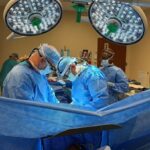


PBGMC is one of the only hospitals in Palm Beach County to offer this service
October 17, 2022 – Palm Beach Gardens Medical Center (PBGMC) advances surgical care for many procedures in Palm Beach County with the opening of its new Bloodless Medicine and Surgery Program. Some patients want to avoid receiving blood transfusions because of religious beliefs or medical concerns.
Traditionally, blood lost during surgery is replaced with banked blood from donors. The hospital’s bloodless medicine and surgery program uses special surgical methods that minimize blood loss and uses substitutes for blood products.
Thanks to medical advances, some surgeries today can be performed without blood transfusions. In fact, many techniques developed for people who need bloodless surgery for religious reasons are now standard procedure for all patients.
“This program eases the burden on the blood bank,” said Robin Ortega, Patient Navigator for the Bloodless Medicine and Surgery Program. “We are preserving our own precious resource in blood, which allows us all to be a good steward for the community.”
Blood conservation interventions can be used in numerous medical and surgical specialties including cardiac surgery, cardiology, colon surgery, emergency services, general surgery, internal medicine, neurosurgery, orthopedics, spine surgery and more.
“Our bloodless program provides evidence based medical care for patients who want to avoid the need for blood transfusion,” said Teresa Urquhart, CEO of Palm Beach Gardens Medical Center. “This is another example of our hospital’s commitment to the community to provide excellent healthcare.”
PBGMC uses a variety of advanced techniques to conserve blood loss during surgery. Some methods include:
- Laboratory conservation technique – PBGMC does “micro sampling” for lab tests, a technique that reduces the amount of blood removed for blood tests.
- Intra- and post-operative blood salvaging – A technique using a special blood recycling machine that collects, cleans and returns blood to the patient’s own blood during and after surgical procedures. Also known as “cell salvage.”
- Harmonic Scalpel, Argon Beam Coagulator and Electrocautery – These surgical devices seal blood vessels during surgery, minimizing bleeding.
- Laparoscopic and minimally invasive surgery – Medical advances have led to more procedures using smaller incisions and fiber optic technology to reduce blood loss and recovery time.
- Pharmaceutical agents – Medications assist in reducing blood loss by increasing clotting or controlling excessive bleeding. A genetically engineered hormone called EPO (erythropoietin) prompts the body to replace lost blood quicker.
- Nutritional support – Patients are advised of nutritional measures to take before surgery to make sure they are in optimal preoperative condition.
“We respect those who don’t want blood transfusions due to religious beliefs or other concerns,” Ortega added. “Performing bloodless procedures means we are minimizing blood loss and reducing the need for blood transfusions, which can mean a better outcome for the patient.”
The team at PBGMC provides expertise in patient blood management, which can improve health outcomes and creates peace of mind for those who seek high-quality healthcare, without the use of blood or blood products.
About Palm Beach Gardens Medical Center:
Palm Beach Gardens Medical Center (PBGMC), part of the Palm Beach Health Network, the largest health care network in Palm Beach County, is a 199-bed acute care hospital. It has served the Palm Beach County and Treasure Coast communities for over 50 years. The hospital was the first in Palm Beach County to perform open-heart surgery and has remained on the forefront as one of the area’s leaders in cardiac care. PBGMC also offers award winning stroke care, neurosurgery, urology, orthopedics, robot assisted and minimally invasive surgical techniques, bloodless medicine and a 24-hour emergency room. For more information, visit: www.pbgmc.com.