Jackson Memorial Hospital in Miami is the only hospital the southeastern United States using clinical microdialysis in its neuroscience intensive care unit and patients suffering from subarachnoid hemorrhage (stroke) and traumatic brain injuries are already benefiting from the technique. The NSICU nursing team is excited to have this cutting-edge neuromonitoring available in its spectrum for nursing care.
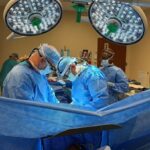
Microdialysis is used to measure cerebral metabolism and allows neuroscience clinicians the ability to identify changes in brain chemistry before clinical symptoms are present. Identifying such problems in advance gives caregivers an opportunity for earlier intervention and prevention of secondary brain injury. The data retrieved from the monitoring is used to evaluate treatment measures and make clinical decisions. The first patient treated with microdialysis at Jackson suffered a traumatic brain injury that resulted in a coma. M. Ross Bullock, M.D., Ph.D., director of clinical neurotrauma at Jacksons Ryder Trauma Center and professor of neurological surgery at the University of Miami Miller School of Medicine, managed the care of the patient and inserted the microdialysis catheter. NSICU clinical nurse educator, Lee Fong-Hong, R.N., M.S.N., M.B.A., and Jillian Miller, R.N., B.S.N., also played a crucial role in the patients care and the usage of the microdialysis device by running analysis on samples, interpreting data and recording the results. The knowledge and skills required to provide nursing care for patients with microdialysis demands a 1:1 nurse patient ratio.
(l-r) Lee Fong-Hong, R.N., M.S.N., M.B.A., neuroscience intensive care unit clinical nurse educator at Jackson Memorial Hospital; Dr. Urban Ungerstedt, the inventor of the CMA600 microdialysis neuromonitoring system; and Dr. M. Ross Bullock, director of clinical neurotrauma at Jacksons Ryder Trauma Center and professor of neurological surgery at the University of Miami Miller School of Medicine.