By Jeffrey M. Bishop, DO, and Caitlin Spaulding, MMS, PA-C
Physician Assistants (PAs) have an increasingly important role in changing the behavioral health landscape. Their contributions help address the growing demand for mental health services, help reduce the shortage of mental health providers across the nation, and improve patient care and outcomes. According to the Association of PAs in Psychiatry (APAP), approximately 4% of PAs nationwide practice exclusively in psychiatry, and work as part of a collaborative team, including psychiatrists, social workers, and other health care professionals, to ensure that patients receive comprehensive care that addresses mental and physical needs. Since providers encounter patients with mental health challenges in all practice specialties, PAs have extensive education including behavioral medicine. The significance of understanding and addressing behavioral health conditions is reflected in the curriculum of the PA Program at South University West Palm Beach. Training in behavioral medicine begins in the didactic year in the Essentials of Behavioral Medicine course, and continues throughout the didactic year as part of other courses such as Essentials of Emergency Medicine, Clinical Medicine and Pharmacotherapeutics, and Clinical Medicine and Pharmacotherapeutics Lab.
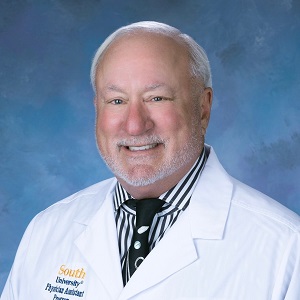
Jeffrey Bishop
The Essentials of Behavioral Medicine stands as a foundational pillar in educating PAs about evaluating and managing patients grappling with mental and behavioral health challenges. This course equips students with effective interviewing techniques, comprehensive assessment methods, and essential pharmacotherapeutic principles, to develop appropriate treatment plans for various behavioral and mental health conditions across our lifespan. Pharmacological teachings enable students to create individual treatment plans by educating on major drug classes, mechanisms of action, adverse effects, and population-specific modifications using evidence-based medicine including American Psychiatric Association guidelines. The course curriculum includes social and behavioral sciences applicable to clinical practice, covering topics such as human sexuality, substance abuse detection and treatment, violence and neglect identification and prevention, and response to stress and trauma. The Essentials of Behavioral Medicine course aims to equip PA students with essential skills and knowledge.
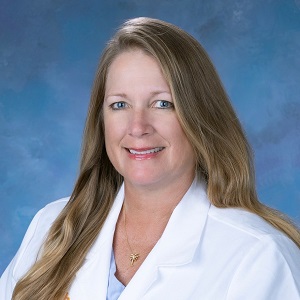
Caitlin Spaulding
Education in this area extends beyond the didactic year and into the clinical year, where all PA students do a five-week core rotation in Behavioral Medicine. Students are placed at inpatient or outpatient behavioral health facilities and are paired with clinical preceptors to perform various assignments to strengthen their clinical skills in practice. South University PA students gain experience with patients of all ages and mental health conditions, preparing them for real-world clinical settings.
South University PA students are also fortuitous to have Medical Director Dr. Jeffrey Bishop who is board certified in both Family Medicine and Addiction Medicine. He is a graduate of the Philadelphia College of Osteopathic Medicine and spent 10 years as a USN CWO2 Physician Assistant prior to medical school. He is on the Board of Directors for Trustbridge, and is the Medical Director for several SUD Centers, and SKYKARE, Medical Transport company. Starting on June 23, 2023, all DEA prescribers are required to complete eight hours of education on the treatment and management of patients with opioid or other substance use disorders. Dr. Bishop will be teaching this course at South University for all students, faculty, and alumni, and this will be an annual course offered to South University PA program graduates to support our community.