
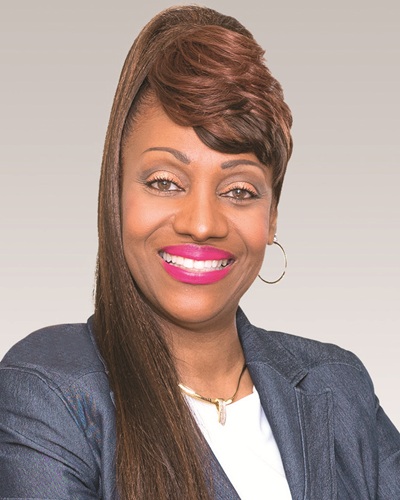


By Diane Deese
South Florida is one of the most culturally diverse regions in the United States. In the Miami–Fort Lauderdale–West Palm Beach metro area, nearly half the population identifies as Hispanic, and more than half of residents in counties like Miami-Dade are foreign-born. Additionally, more than 75% of residents speak a language other than English at home, reflecting a highly multilingual population shaped by continuous international migration.
Every day, healthcare professionals care for patients and families whose distinct backgrounds, languages and beliefs influence how they understand illness, approach treatment decisions and experience end-of-life care.
Yet despite our best intentions, many difficult conversations begin with assumptions.
We may assume a patient understands their diagnosis in the same way we do. We may assume a family shares the same goals for care. We may assume we know what matters most based on a patient’s age, race, ethnicity, religion or socioeconomic status.
The reality is that every patient brings a unique perspective to the bedside.
That’s why cultural humility is one of the most valuable skills healthcare professionals can develop.
Beyond Cultural Competency
For decades, VITAS Healthcare has focused on cultural competency training. While education remains important, cultural humility takes the conversation a step further.
Cultural humility acknowledges that no training program, textbook or checklist can fully prepare us to understand every person’s lived experience. Instead, it encourages healthcare professionals to approach each interaction with curiosity, self-awareness and a willingness to learn.
At its core, cultural humility shifts the focus from “What do I know about this culture?” to “What can I learn from this individual?”
That distinction can make all the difference when discussing serious illness or hospice care.
The Questions That Build Trust
When patients and families are facing difficult healthcare decisions, trust becomes essential.
Rather than making assumptions, healthcare professionals can create meaningful dialogue by asking open-ended questions such as:
- What is most important to you as we discuss your care?
- Are there cultural, spiritual or family traditions we should understand?
- Who do you want involved in your healthcare decisions?
- What concerns you most about the future?
These questions invite patients and their loved ones to share perspectives that might otherwise remain unspoken.
The goal is not to become an expert in every culture. The goal is to better understand the person sitting in front of us.
Listening for Understanding
One of the most common misconceptions about hospice conversations is that healthcare professionals need to have all the answers.
More often, patients and families need someone willing to listen.
People may express fear, uncertainty or hesitation in different ways. Some families prefer collective decision-making. Others rely heavily on faith leaders or extended family members. Some patients may avoid discussing death altogether because of cultural or personal beliefs.
These differences are not barriers to care. They are opportunities to build understanding.
When healthcare professionals approach conversations with humility rather than assumptions, patients are more likely to feel respected and engaged in their care.
Practical Steps for Healthcare Teams
Cultural humility does not require a major organizational initiative. It can begin with small, intentional actions:
- Replace assumptions with questions.
- Listen before offering solutions.
- Recognize personal biases and blind spots.
- Create space for family and community influences.
- Focus on understanding each patient’s values and goals.
These practices can improve communication and strengthen relationships. They help ensure care aligns with what matters most to patients and their loved ones.
A Shared Responsibility
No matter a patient’s background, one truth remains universal: people want to be treated with dignity and respect.
Healthcare professionals have a unique opportunity to create that experience by approaching every conversation with humility. It is a foundation for truly patient-centered care.
The most important question may not be whether we understand someone’s culture. It may be whether we have taken the time to understand the person.
Diane Deese is vice president of community affairs at VITAS Healthcare, the nation’s leading provider of end-of-life care. Learn more at VITAS.com.






















