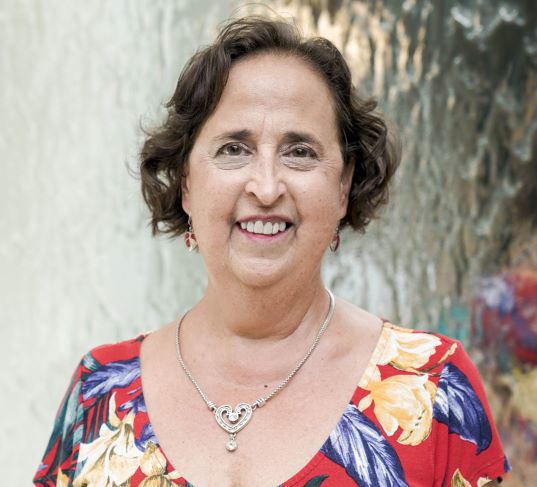
By Pamela McCorry, MA, MDiv, CSGC
In the 21st Century, most people no longer attend church or have a Faith community. They often say, “I am not religious, I consider myself to be Spiritual.” I believe this rhetorical statement is because people don’t want to feel chastised for not going to Church; don’t want to deal with their Psycho-Spiritual wounds or accept their terminal diagnosis. The focus of my Ministry is helping our terminally ill patients and their loved ones prepare for the end of their life.
All Pastoral Counseling in a Hospice and Hospital setting is Interfaith. At MorseLife Hospice and Palliative Care, I minister to people from the Abrahamic traditions and outside those faiths. My Plan of Care is to assist patients clarify their beliefs and wrestle with existential questions: Who is God for you during this time? What is your understanding of after life? Why do we suffer?
Spiritual distress, also known as terminal restlessness, agitation or delirium may occur at the end of life. The patient may have symptoms of physical or emotional discomfort including anxiety, agitation, and cognitive decline in the final days leading to death. The discomfort the patient is experiencing is sometimes difficult for loved ones to witness and manage. It’s important for the family to understand that Spiritual distress is not necessarily consistent with the patient’s personality. Rather, they reflect inner turmoil, repressed hurt, trauma, sexual, emotional or mental abuses, abandonment or betrayal.
It is believed that the behaviors of terminal restlessness stem from discomfort and physiological changes in the body rather than genuine anger or hostility. Medication cannot resolve Spiritual distress alone. It is necessary for a patient to face the wounds that have been ignored and has caused of Spiritual Distress.
None of us go through this world unscathed, we get hurt; we hurt others. The Christian prayer, The Our Father states, “Forgive us our trespasses as we forgive those who trespassed against us.” The premise of the prayer is we need to seek forgiveness from the people we have hurt and forgive the people who have hurt us. If the patient is experiencing Spiritual distress, I try to understand the root of the crisis and facilitate healing. Without reconciliation patients are at risk of Spiritual Distress instead of a peaceful death.
Pamela McCorry, M.A., M.Div., CSGC is the Chaplain, Spiritual Care Coordinator, PACE Liaison & Bereavement Counselor at MorseLife Hospice and Palliative Care.