

Your AC Ventilation System’s Impact to Indoor Air Quality
By Michael Tebor, ASCS, CIE, CMR – State Licensed MRSA1924
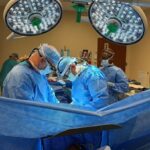
In the high-stakes environment of a 24-hour medical hospital, the air we breathe can be as critical as the medicine we administer. While modern medicine focuses on sterile surfaces and hand hygiene, the “invisible infrastructure”, the mechanical AC ventilation system, is a true backbone of infection control, patient, and staff safety.
The First Line of Defense: High-Efficiency Air Filtration
Once you had your HVAC system inspected and cleaned by a certified professional, high efficiency air filters should be installed. In a hospital, air filters are not mere maintenance items, they are life saving barriers. To manage the constant influx of pathogens, surgical suites and many patient wards require HEPA or high-MERV-rated filtration. These systems trap microscopic droplets and particulates that can carry bacteria and viruses. Without rigorous filtration, a single cough in a waiting room could potentially circulate throughout an entire wing, turning the HVAC system into a delivery mechanism for secondary infections.
Sterilization at the Speed of Light: UV-C Integration
Even the best filters can become breeding grounds for mold and biofilm if moisture is present. This is where UV-C germicidal lights become essential. By installing UV systems within the air handling system, the air handling units can neutralize the DNA of microorganisms in real-time. This “photolysis” ensures that the air passing into patient rooms is not just filtered, but biologically deactivated.
The Strategy of Freshness: Outdoor Air Intake
Outdoor intakes perform ongoing outdoor air dilution to conditioned spaces and are important in managing indoor air quality. The location and damper settings of the intakes are critical as outdoor air intakes should be placed far from the loading dock, and dampers should be set by professionals.
The Hidden Risk: Mechanical Rooms as Cleaning Chemicals Supply Storage
Many mechanical rooms are open air returns which turns the mechanical room into a large return duct. Cleaning chemicals should not be stored as any chemical spills will be sucked into a buildings circulation system. This can cause respiratory distress for building occupants.
Conclusion
A hospital’s mechanical HVAC system is its respiratory system. By ensuring a clean HVAC system, using high efficiency filtration, UV sterilization, proper air intake placement and settings, and removing cleaning chemicals storage from the air stream, healthcare facilities do more than just manage a building – they provide a foundational layer of healing.
To learn more about what can be done to improve your indoor air quality, call Air Duct Aseptics at 888-707-7763.
Michael Tebor is Vice President of Air Duct Aseptics, a NADCA certified air duct cleaning company with more than 35 years’ experience specializing in providing Certified Duct Cleaning and indoor air quality solutions to Florida’s top health care facilities. Michael is a Certified Air Systems Cleaning Specialist (NADCA), a Certified Indoor Environmentalist (ACAC) and a Certified Mold Remediator (ACAC). He
is also a state licensed Mold Assessor. The company’s skill sets, experience and multi- disciplinary approach to problem solving sets it apart in the industry. Michael Tebor can be reached at 888-707-7763
or visit www.ADAFlorida.com.