
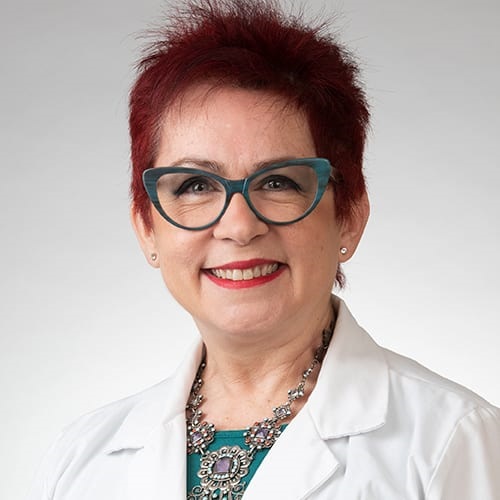


By Carmen Ramos-Irizarry, MD
While all eyes have turned to COVID-19 mitigation, pediatric surgeons have been working on other advancements as well. Surgeons are playing an integral role in a child’s medical team more so than ever before — they aren’t just in the OR and then out of the child’s life. Instead, pediatric surgeons are looking to up the standards and methods for care in the areas of educating new pediatric surgeons, policies for opioid use, gun violence, and child abuse, proving their continued desire and innovation to protect the youngest among us.
Educating the future of pediatric surgery
How do pediatric surgeons ensure that the medical students they are working with are ready to conduct the entire procedure process alone? The standards are changing for the better. In 2007, doctors in the Netherlands piloted a new concept called Entrustable Professional Activities (EPAs), starting a shift in medical education to a competency-based education. It’s learner-driven, directly observable, and provides a measurable way to ensure entrustability in trainees. It is based on several domains of competency that require the completion of multiple milestones. The Association of Medical Colleges started to use this framework and multiple ongoing pilot studies are taking place across training programs with the hope it will be widespread in upcoming years.
We often ask ourselves, “When can I trust my learner?” We measure them by competency and their ability to do tests, but nobody is watching their interprofessional skills — how do they deal with others? And how to process the task from zero to the end of the test? My role as an educator is to progress from teaching how it’s done to allowing them to perform under supervision, then distant supervision, then independently.
The program started gaining more steam as residency programs were communicating with medical schools that their new residents weren’t fully capable of accomplishing tasks and competencies required for their level. There was a gap across medical school programs.
The EPA program allows for more comprehensive teaching and learning, such as performing an appendectomy, start to finish. There is an entrustability scale where you can measure performance and give feedback. You can ask the trainee how they felt doing the appendectomy. They may say, ‘I appreciated when you told me to put this clip here or to watch out for arteries.’ With that constructive feedback, they get a chance to tell what they need. The EPA will help attendings identify the needs of a resident to know if she needs to prompt the resident’s next step or to let them go ahead independently.
A study that includes Olle Ten Cate, the original Netherlands researcher piloting the program, concluded that the EPA program on average shortens the necessary length of training by 3 months. The pilot studies continue on and I hope this framework will soon be implemented in widespread fashion.
Dr. Carmen Ramos-Irizarry, a pediatric surgeon at KIDZ Medical in Naples, is a Councilor of The American Board of Surgery (ABS), the national certifying body for general surgeons and related specialists. For more information, visit www.kidzmedical.com/provider/carmen-ramos-md.























