By Kim Brackney, BSN, RN, PM
Seven years. That’s how long my friend Chevon Byfield was among the sickest of the sick.
Diagnosed before the age of 30 with congestive heart failure and told he might have just months to live, Chevon was kept alive for much of the next decade by a Left Ventricular Assist Device (LVAD), a mechanical pump implanted in his chest that did what his own weakened and diseased heart couldn’t: circulate enough blood and oxygen to sustain his body.
The LVAD, often described as a “bridge to transplant,” was his lifeline, but also a daily reminder of what had become an interminable wait for a donor heart to become available. Because while Chevon was immediately placed on the transplant list, hearts large enough for a 6’5” frame like his are always in short supply. The commonality of his blood type, O-positive, also worked against him, since he’d be competing with a larger pool of potential recipients for organs that only become available when someone dies.
So, despite his personal trauma, numerous hospitalizations and the uncertainty of whether he’d survive long enough to be transplanted, Chevon avoided the pity party and made a choice very few in his position would. He became a volunteer for the Memorial Cardiac and Vascular Institute, turning his disease and misfortune into a learning experience for others.
It was a cause greater than himself and, in some ways, probably helped Chevon find something positive about having a heart that refused to let him live a normal life.
EMS Meets LVAD
Chevon became a familiar face at local fire stations, spending countless hours with EMS crews sharing experiences and educating them about the unique care LVAD users require. He’d bring his equipment and explain the controller, batteries and alarms, providing hard-earned knowledge on how to troubleshoot issues. Chevon demonstrated how to take a Doppler blood pressure and explained why traditional pulse checks can be challenging with LVAD patients. One of the most memorable parts of his training sessions was having first responders place him on a cardiac monitor. It was the first time many of them had seen what an EKG rhythm looks like in someone with an implanted pump.
Through his willingness to teach, Chevon helped build confidence and knowledge among EMS providers, who now have a much better understanding of the needs of LVAD patients that are likely to need their emergency service at some point in their lives.
Volunteer Karma?
LVADs aren’t supposed to be semi-permanent in a patient’s body, but with no other options, Chevon shouldered on with his equipment. February brought another stay at Memorial Regional Hospital, this time with an infection along the cable that connects the internal pump in his heart to the external controller outside his body.
The silver lining was being hospitalized increased Chevon’s chances of receiving a donor heart, with medical urgency part of the formula for determining who among the many patients that need receive the too few organs that are available.
Seven years after having the LVAD implanted, Chevon, a father of two whose kids had never known a healthy dad, received the news for which everyone on the transplant list prays. A replacement heart was available for him.
My friend, and favorite volunteer, would finally have the second chance at life he so richly deserved.
The Journey Continues
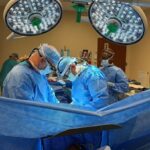
Chevon’s surgery took place in early March and his recovery has been slow but steady. But what I’m left with in the wake of this life-changing outcome was the incredible selflessness he displayed teaching EMS crews how to save lives even while his own survival was in doubt.
For a longtime clinician like myself, it was a reminder that educating others is a legacy we can all leave. Chevon’s dedication to helping others never skipped a beat, even while his original heart struggled to do the same.
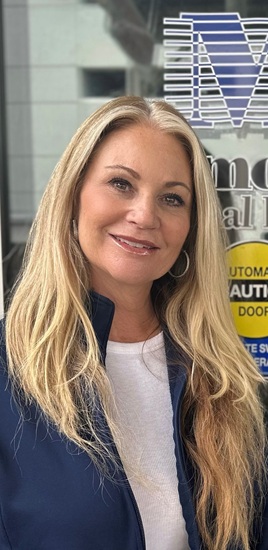
Kim Brackney is a nurse and district EMS manager for pre-hospital services at Memorial Healthcare System. A former firefighter paramedic, she has more than two decades of clinical and emergency care experience that she brings to healthcare leadership and education.
To learn more about heart, kidney and pancreas transplants, visit Memorial Transplant Institute online at www.mhs.net/services/transplant.